Professor Charles Zhang Leads FISF Fintech Research Center to Attend the 56th World Economic Forum Annual Meeting and Moderates Themed Roundtable Meeting | Info
Release time:2026-01-24
On January 19th 2026, the 56th World Economic Forum (WEF) Annual Meeting officially opened in Davos, Switzerland. Under the theme “The Spirit of Action”, the meeting brought together nearly 3,000 representatives from over 130 countries and regions engaged in various fields to discuss critical issues across economic, geopolitical, and technological domains.

The Fintech Research Center of Fudan International School of Finance (FISF) attended the meeting as part of a select Chinese delegation. Professor Charles Zhang, Deputy Dean of Academics, Professor in Finance and Director of Fintech Research Center, was invited to moderate the roundtable session. Professor Zhenhua Wang, Co-director of FISF Fintech Research Center, and Chunliu Yang, Associate Professor at FISF, delivered keynote speeches. Throughout the meeting, diversified discussions were made regarding cutting-edge topics including digital currency, financial digitalization, and the integration of artificial intelligence (AI) within industry.
Keynote Speech I

At the beginning, Zhenhua Wang delivered a keynote speech entitled Crossroads of Digital Currency: China’s Strategic Path and Its Global Implications.
He believed that currently there are two distinct models shaping the global financial future, the stablecoin market model represented by the U.S., and the “dual-track” approach adopted by China for the balance between the central bank digital currency (CBDC) of Mainland China and stablecoin regulation in Hong Kong. While both have developed stablecoin-based product systems under the market mechanism, the resulting payment-ecosystems from these models may not be fully interoperable.
However, payments and capital flows are global in essence, so we should actively embrace a diversified, interconnected and hybrid development model, prioritize improved interoperability and prudently strike an innovation-inclusiveness balance. We need to ensure that this global financial transformation will not only foster a more efficient framework but also build a more inclusive system.
Roundtable Dialogue I
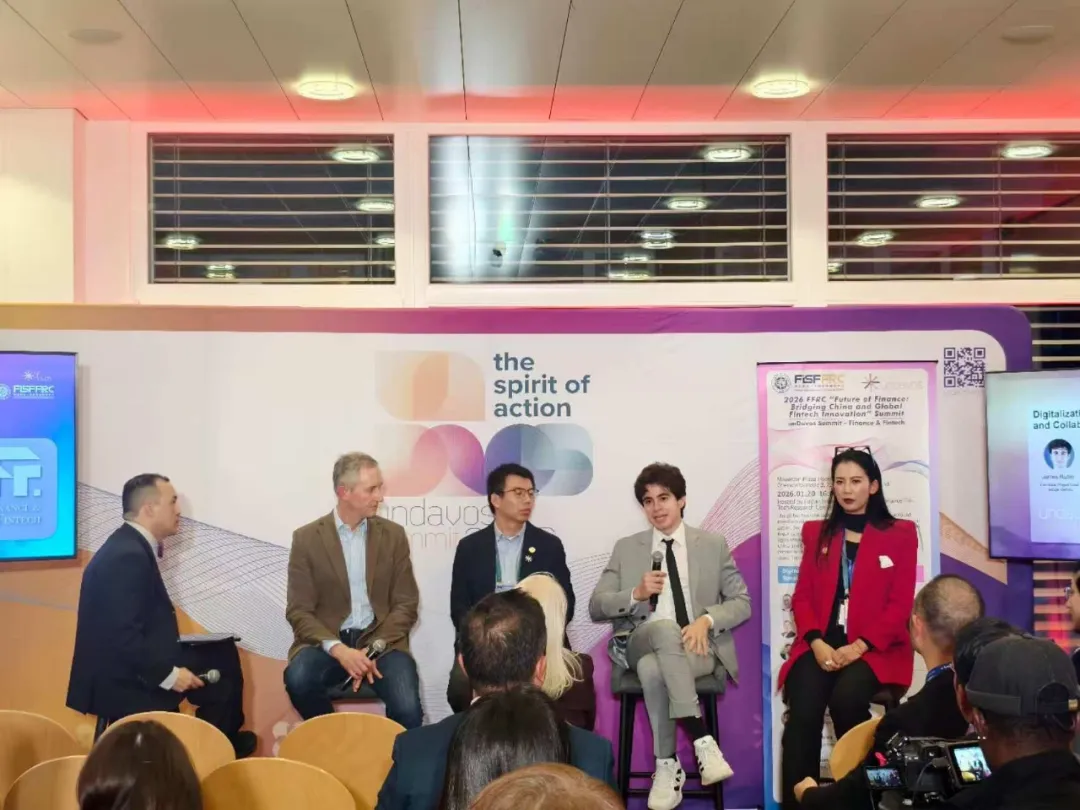
The first roundtable dialogue focused on the reforms and competition of the financial system in the digital era, covering hot topics like CBDCs, stablecoin regulation, cross-border payment infrastructure, and the application of AI in finance and industry. In moderating the discussion, Charles Zhang provided a clear logical framework and posed in-depth questions to the distinguished guests.
Alvin Graylin, Former President of HTC and Writer, observed that the U.S. and China reflect different AI development strategies. He stated that China’s strategy highlights the breadth and depth of technology application in its practice, while the U.S. seeks to constantly pursue the boundaries of technological breakthroughs. The international community, according to him, should recognize such disparities in development paths and thus strengthen dialogue and collaboration to better promote the development of the global AI industry.

Magnus Jones, Business Development President at ComlyOnce, noted that the global financial system is undergoing digital restructuring. On one hand, CBDCs like the e-CNY are advancing practical applications in cross-border payments and financial inclusion; while on the other, stablecoins and other emerging digital assets are being explored through regulatory experiments and innovative use cases in selected markets such as Hong Kong, China. Together, the two form a “dual-track” development path. How to achieve complementary coexistence and strike a balance between effective regulation and innovative flexibility has become a key focus of the forum.
During the dialogue, the guests further discussed the logical differences and technical paths behind financial digitalization. Digitalization is more than just technological upgrading; it also touches upon monetary philosophy, regulatory frameworks and systemic risk management. In terms of AI-finance integration, while AI enhances the efficiency of financial services and drives innovation in personalized products, it also brings challenges in areas such as algorithmic ethics, data privacy and employment structure, posing requirements for coordinated responses across institutional, technological and educational dimensions.
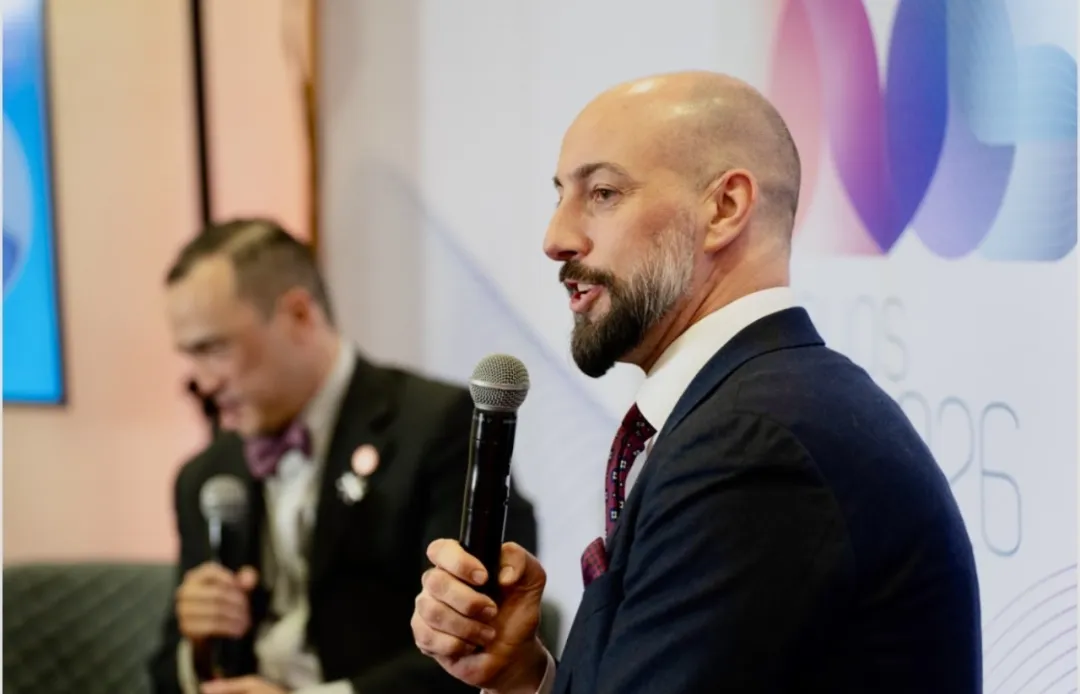
Charles Zhang concluded the dialogue by emphasizing that the future of the financial system depends not only on efficiency and innovation but also on inclusiveness and security. He identified two critical global challenges at present: first, balancing effective regulation with innovation flexibility, and second, promoting interoperability across different financial infrastructures.
He further pointed out that digitalization and AI are fundamental issues concerning the development of all humanity. What is particularly worth noting is that the evolution of AI itself will accelerate the transformation of all other industries, leading to an increasingly complex competitive environment. This is a global-scale technological revolution, and its healthy development will inevitably require solid global consensus to guide and drive it forward.
Keynote Speech II
Professor Chunliu Yang delivered a keynote speech entitled “The Path and Practice of Financial Digitalization in China”, characterizing China’s financial digitalization as a profound transformation driven by mobile-first technology and social demand.
She explained that technology platforms represented by Alipay and WeChat Pay have built a “super-app” ecosystem integrating payments, credit and wealth management, reshaping financial services through big data and AI. This progress has been made possible by the country’s forward-looking infrastructure construction and accommodative regulatory policies, enabling a significant leap forward in financial inclusion.
Currently, the development focus has shifted from rapid expansion to standardization and security, striving to balance innovation with risk management and offering a unique development paradigm for the world. Taking China’s digitalization journey as an example, we can see that whether in cost optimization or in improving user service quality, it has set a benchmark for global enterprises to follow.

Roundtable Dialogue II
During the second roundtable dialogue, Charles Zhang engaged in a deep cross-sectoral discussion with the guests on “Digitalization and AI Strategy: Practice and Collaboration”.
James Rubin from Google Gemini noted that while generative AI has significantly lowered the cost of content creation, the key now lies in how to effectively capture user attention and build models that can understand human behavior. At the current stage, however, with limited application scenarios, we are also exploring how to generate value on the organizational side.
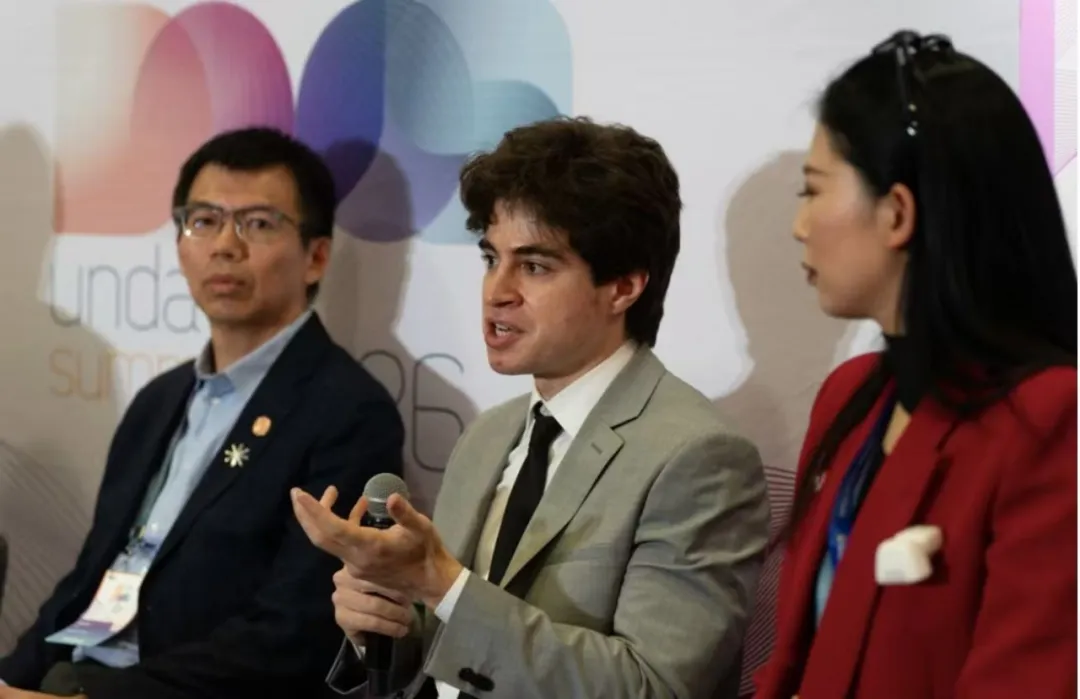
Guowei Yuan, CEO of HYPERS, then elaborated on the topic with examples from China’s AI industry. He first acknowledged AI’s role in lowering the cost of content creation, but also mentioned many unsuccessful cases existing in the Chinese market—a sign that we are in an era of high uncertainty, both technologically and market-wise.
On one hand, AI is approaching the critical stage of general intelligence at an unprecedented pace. On the other, the existing global political, economic, and technological order is undergoing a structural transformation. In this context, we can clearly see from corporate practice that cognition is becoming a new scarce resource. This trend also raises deeper concerns at the sociological level: when AI becomes deeply integrated into daily life and education, taking on a significant portion of knowledge accumulation, how do we sustain the collective curiosity and exploratory drive of humanity? How do we build a new learning model that allows for trial and error and promotes healthy growth? These have become the core challenges we must face.
Just as Yuan noted, when everyone is allowed to use a calculator, the difficulty of exams inevitably shifts upward, and eventually what differentiates people is not the instrument but their ability to understand, judge and think.
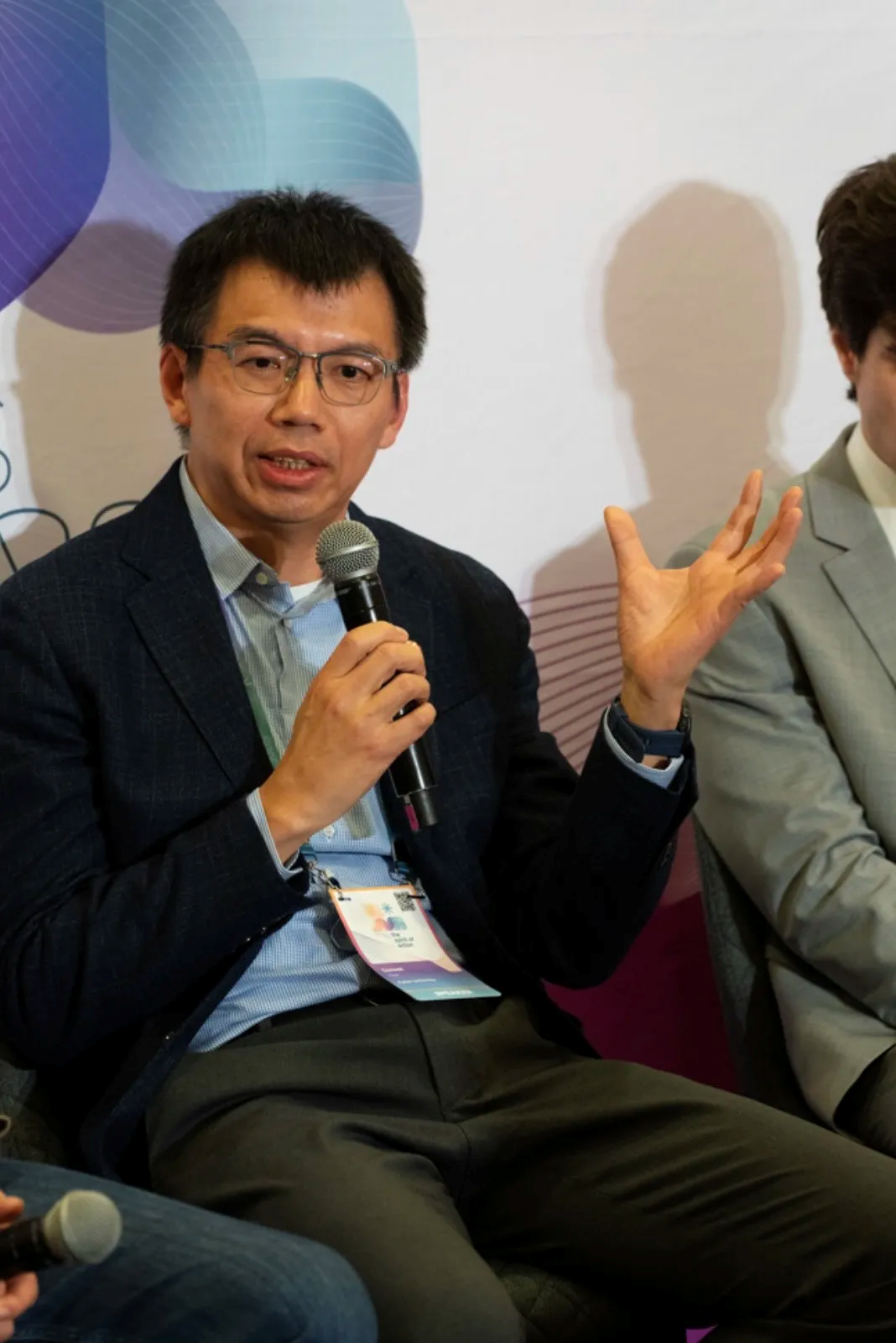
Ueli Fankhauser, Partner at PartexAI, discussed AI applications in the biopharmaceutical field involved in his industry, noting that AI can largely improve the efficiency of drug discovery and clinical trials—not only by accelerating research and development through the use of large sample sizes, but also by enhancing the efficiency of cross-disciplinary R&D. However, he also emphasized that the principle of “human-in-the-loop” must be upheld, and that the ethical issues involved therein are also, by their very nature, issues of legal accountability.
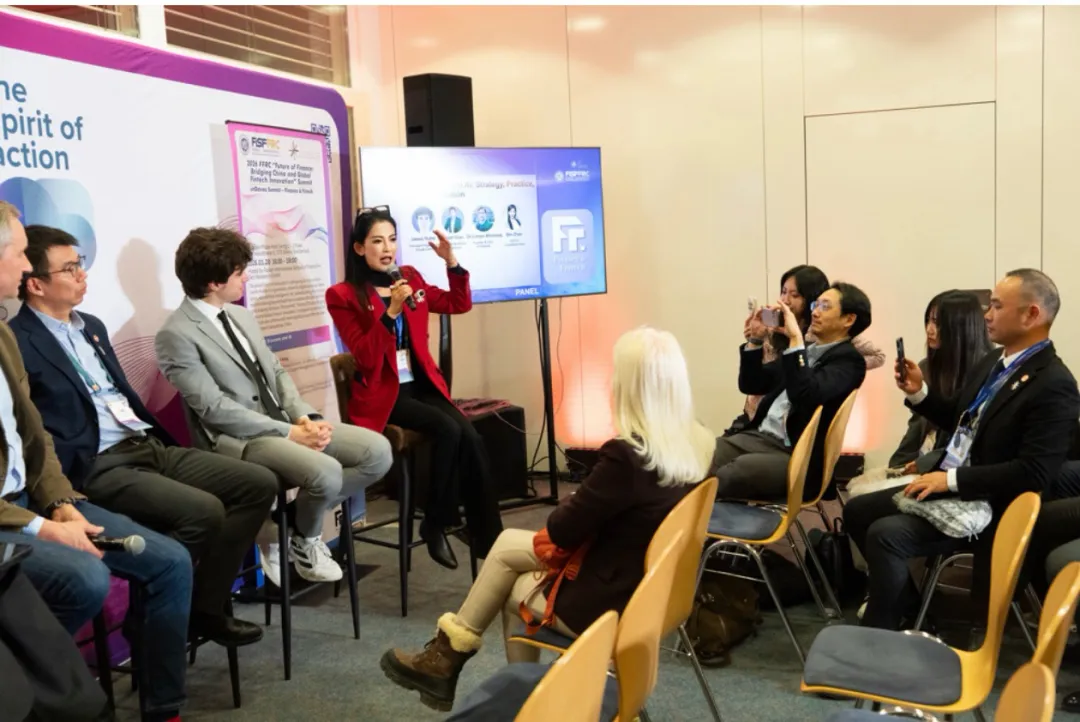
Mei Zhan, both Co-founder of Cross Mode Paris and a cross-disciplinary representative bridging fashion and technology, demonstrated the potential applications of AI on the consumer side, from smart styling to generative marketing. From smart styling to generative marketing, AI is reshaping lifestyles and the broader industry ecosystem.
She proposed a development path for tech products centered on “emotional connection”, arguing that AI hardware should deeply integrate branding strategies of the luxury sector, transforming products from being purely function-driven into carriers of emotional and aesthetic value.
She held that the “generative engine marketing (GEM)” model can help brands build deep, long-term emotional connections with users and foster lasting brand awareness through AI’s contextual understanding and multi-turn interactions. Besides, how humans currently control AI and whether AI’s precision marketing might end up manipulating the market will be the next major challenge for the entire industry.
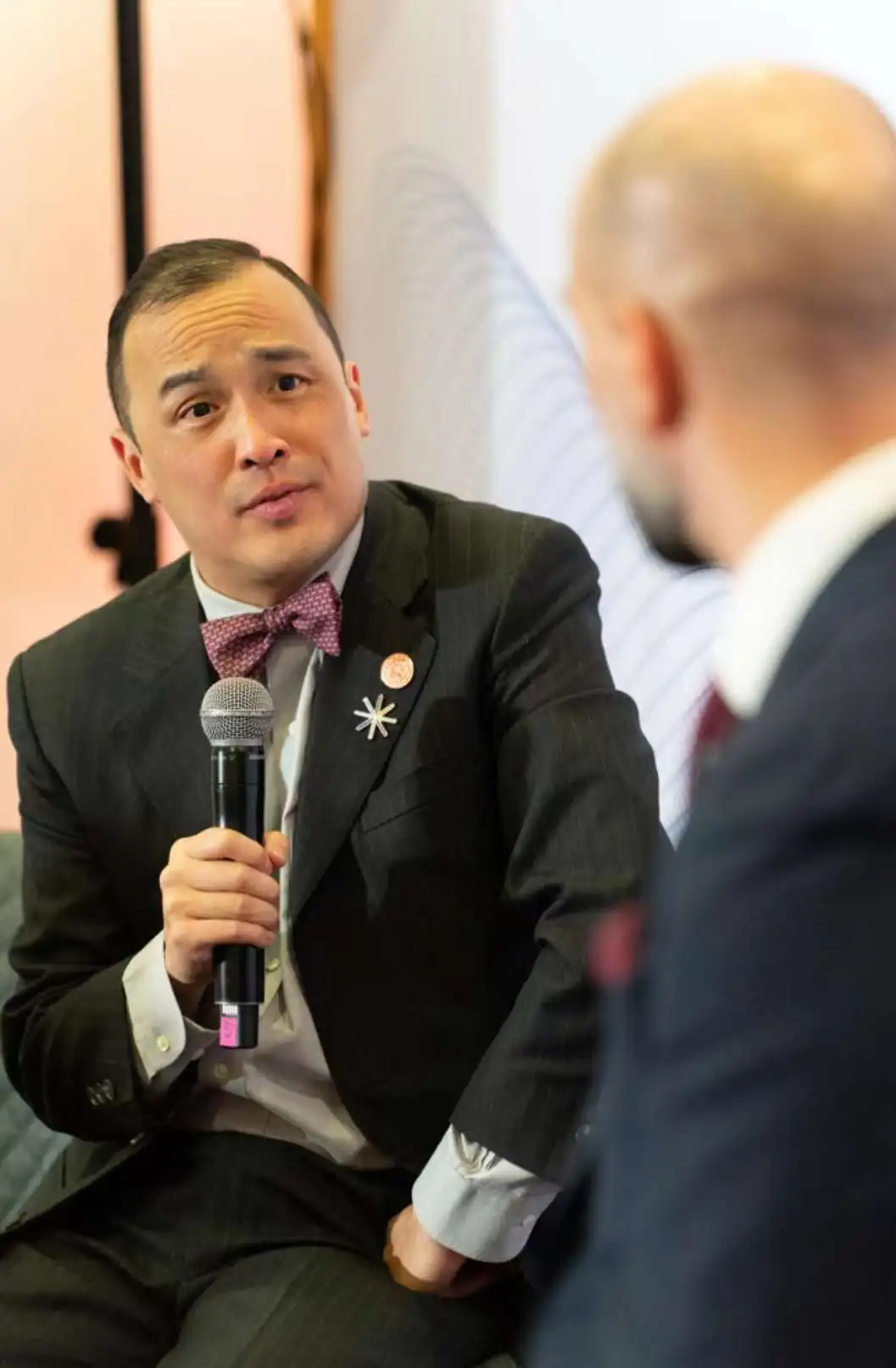
At the end of this session, Charles Zhang made a summary that AI is profoundly reshaping human cognition, education systems, and the division of labor. Across finance, medicine, fashion and other different industries, AI is pushing forward personalized services and intelligent processes, while simultaneously introducing new challenges in ethical governance, skills restructuring and human-AI collaboration. He stressed that we must recognize one fundamental point: technological development should serve the holistic development of humanity and sustainable progress of society.
The World Economic Forum Annual Meeting provided FISF faculty with an important platform for international exchange with peers and demonstrated the academic influence of FISF in fintech and digitalization research. The school will continue to support its scholars in engaging in international dialogue and make contributions to advance future-oriented financial research and talent cultivation.






 86-21-63895588
 Handan Campus: Building B, No.579 Guoquan Road, Yangpu District, Shanghai 200010