Professor Charles Zhang Shares Insights from the 2026 World Economic Forum in Davos, Focusing on AI Development, Cooperation and Competition | Insight
Release time:2026-02-01

Charles Zhang
Deputy Dean of Academics at FISF
Director of Fintech Research Center
Professor in Finance
Having attended multiple Davos forums and private meetings, this year’s WEF left several impressions and inspirations. Below is a brief summary:
AI is everywhere
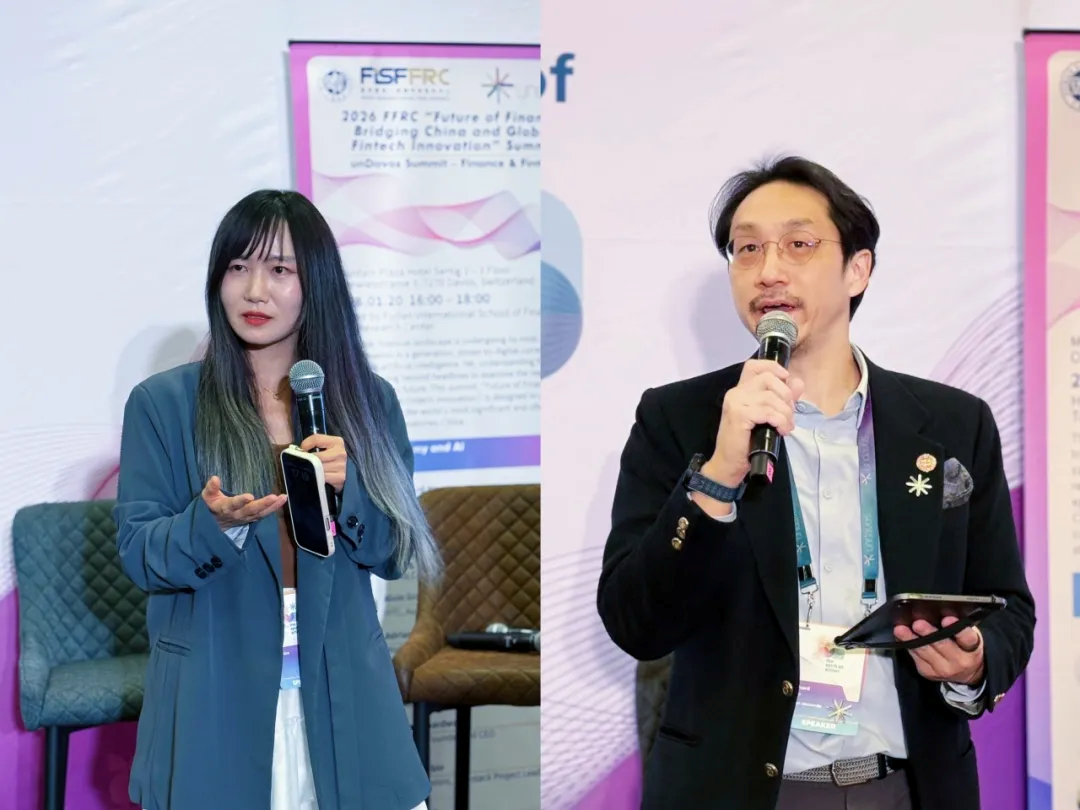
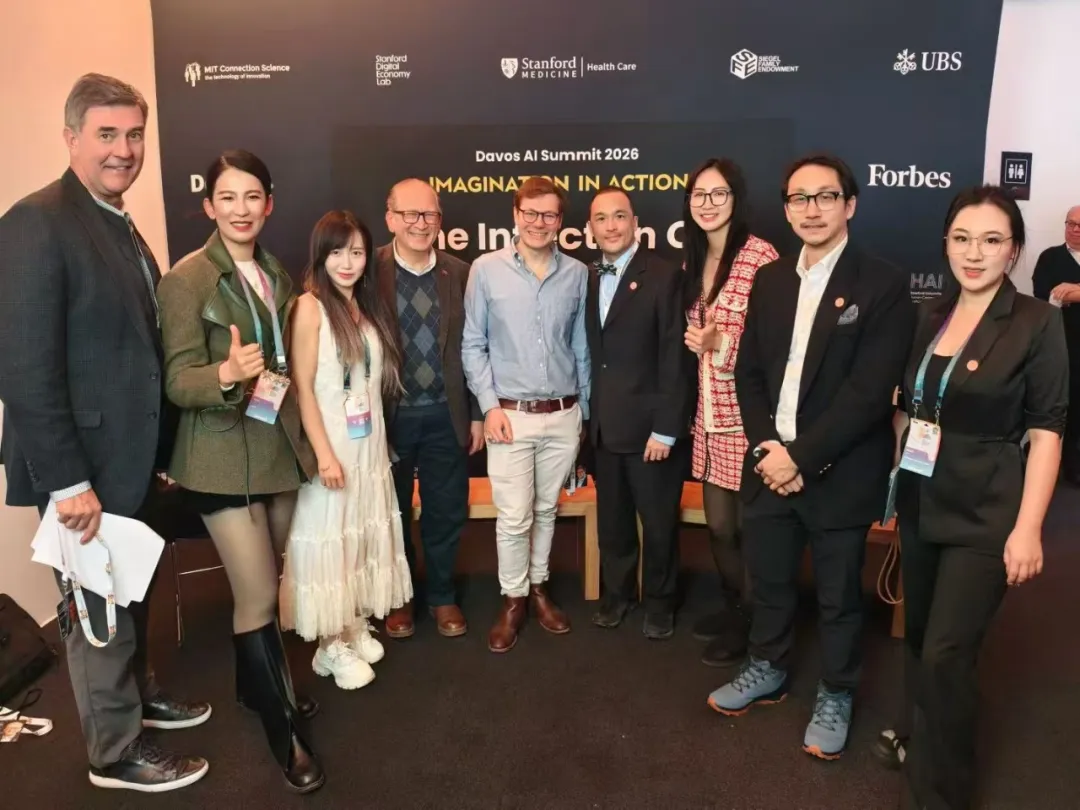
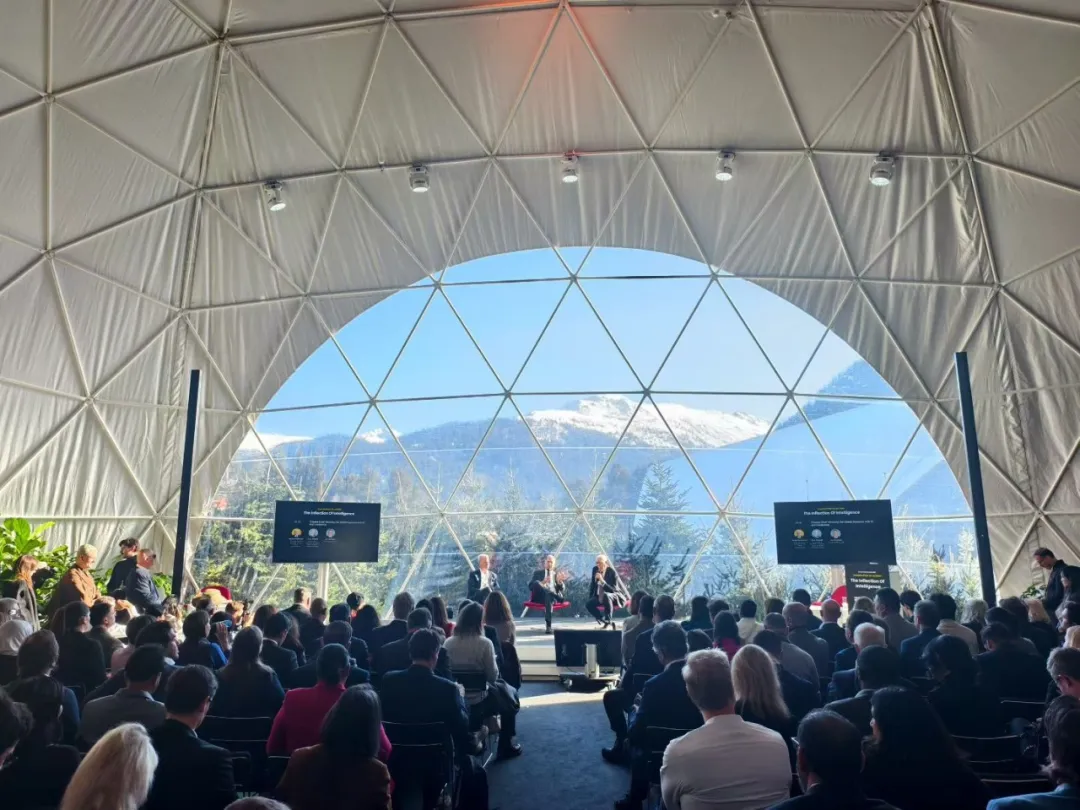
This year in Davos, the two letters “AI” were visible almost everywhere. It was nearly impossible to take a photo without catching some signboards or company advertisements mentioning artificial intelligence. Walk ten paces, pass two or three meeting rooms, and one would find yet another private discussion or closed-door dialogue about AI. The Fintech Research Center of our school was no exception. The sub-forum our group organized was also about the development of AI in China, bringing together eight global experts for a concluding discussion.

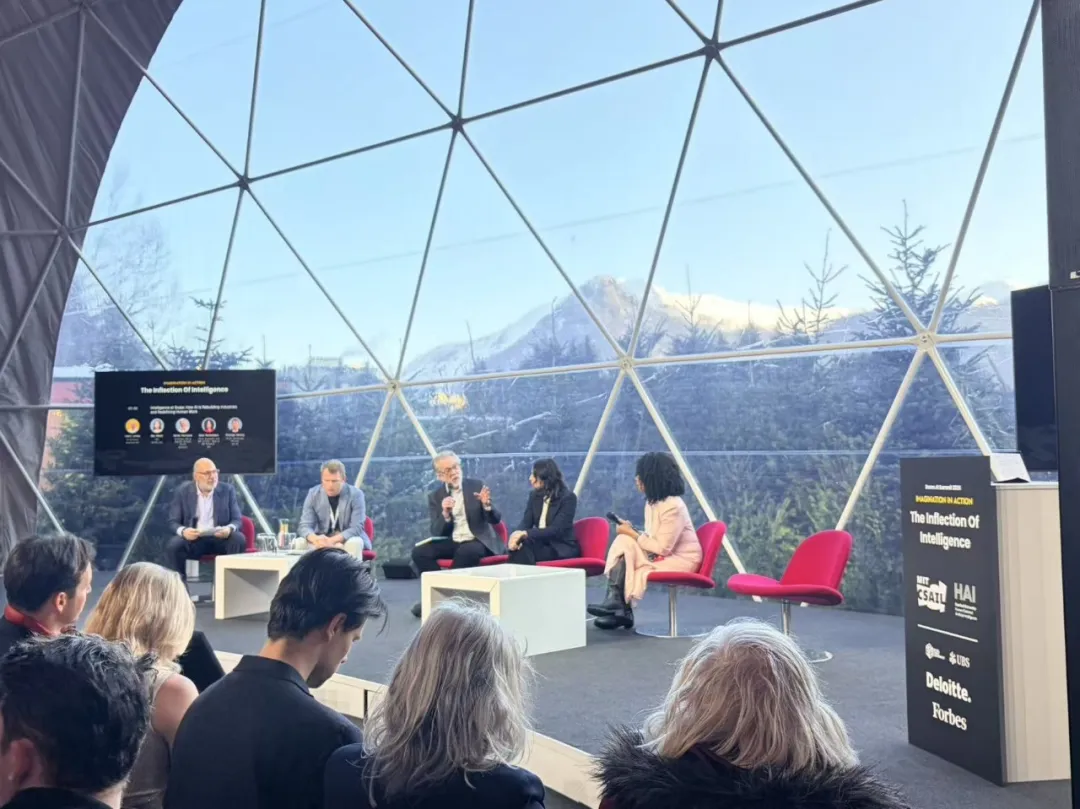
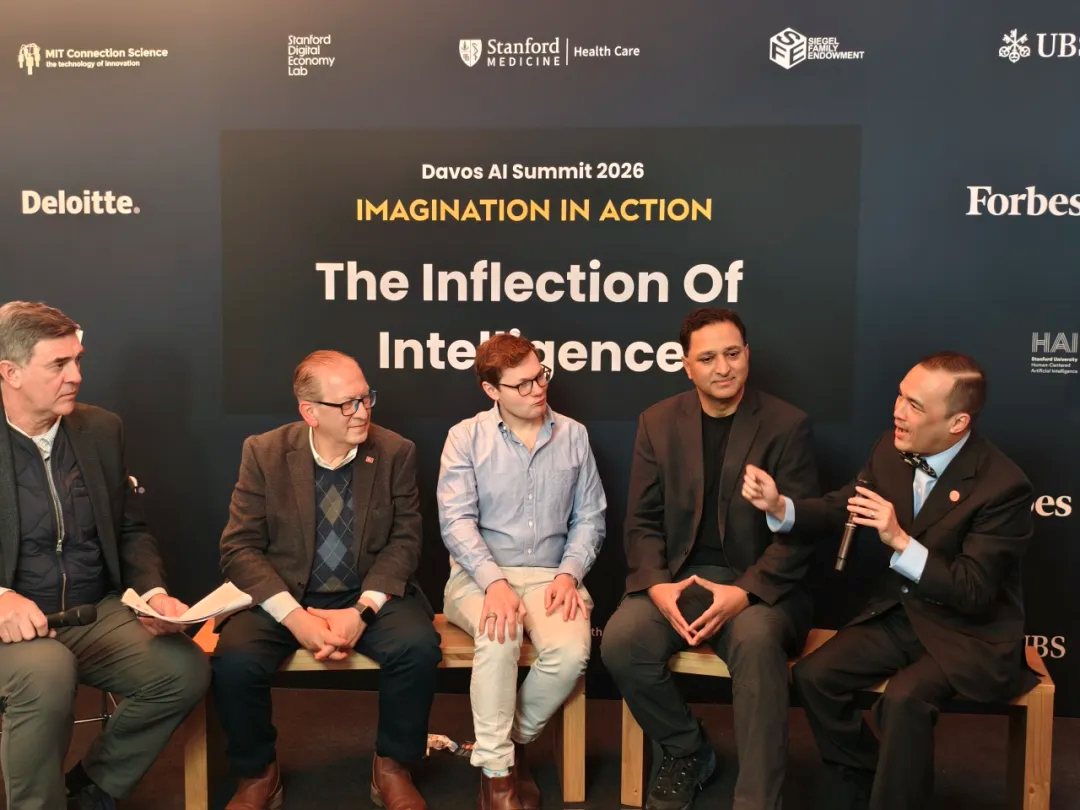
The Imagination in Action Forum jointly organized by Forbes, MIT and Stanford University, and the Leading Beyond Borders Forum also centered on the same topic, inviting dozens of experts to share their ideas and insights. Topics that once commanded the spotlight, such as multilateral trade, sustainable development and the digital economy, seemed to receive far less attention this year. It appeared that all eyes were fixed on AI.
The more powerful AI becomes, the more contradictory humanity is
On one hand, techno-optimists argue that L3 and L4 are just around the corner. AI robots developed by Beijing University of Posts and Telecommunications would not only replace human labor but also gain the ability to manage it. Even L5, equipped with strategic thinking, is not far off. AI could be a CEO, command teams, autonomously generate strategies and give orders. On the other hand, there is growing concern about whether AI could manipulate human thinking. One expert pointed out that in the sales industry, AI could use big data to understand consumer psychology and generate targeted advertisements—making you like red simply because the algorithm decides you should.

Regulation also faces its own contradictions. Some argue that excessive regulation will stifle innovation—that countries with strict regulation will fall behind, and that once one player makes a breakthrough, everyone else will be at a disadvantage. Conversely, others insist that only effective regulation can ensure the healthy development of the industry. Throughout human history, once contradiction emerges, it tends to amplify endlessly, leading to cutthroat competition with potentially disastrous consequences. There was broad consensus, however, that only in global development can ethical safeguards and sustainable progress be guaranteed—a view that was highly recognized and embraced by nearly all participants. Another opinion proposed by an anthropologist was quite impressive, noting that every successful case of human collaboration shares one characteristic: a mutual recognition of vulnerability—the awareness on all sides that they are susceptible to risk and harm. Most people are believed to have already reached this level of awareness to varying degrees.
The development of technology should focus on learning and knowledge enhancement, instead of pointless arbitrage or market manipulation. It is widely accepted by most people that the AI industry is currently facing a price and market capitalization bubble, with investment excessively high and actual value creation generally lower than expectations, and that effective talent cultivation lagging far behind hardware spending. However, effective regulation on a global scale needs to be significantly strengthened to promote human-AI collaboration and prevent one-sided human replacement by machines. How AI can create value for the public and earn the trust of the mass has become a central theme.
The Competitive Relationship Between the U.S. and China in AI Development
The relationship between the two countries in AI development defaults to competition. However, most also recognize that forced competition is not the optimal path for collaborative growth. Instead, different nations should play different roles, each with their own meaningful purpose and motivation within the ecosystem. An AI taker today may turn into a giver in the future—perhaps not at the technological frontier, but in overall areas such as ecosystem development, governance consensus, application scenarios, and talent cultivation. Everyone has a role to play.
AI has the potential to unlock unprecedented productivity and innovation capacity for every country, and even for every person. It can disrupt business models and reshape global economic trends. Technology is a shared resource; the only difference is who uses it first and who follows. Therefore, a global framework for governance and management is essential.
The United States is a major power in technological innovation and breakthrough, constantly iterating, constantly pushing past limits. Yet without applications and real-world scenarios, even the most advanced technology remains incomplete and may even carry significant ethical risks. China, on the other hand, is a powerhouse of application, with an endless stream of scenarios continuously being developed. It has also become the country with the highest number of downloads of large language models in the world. Rather than competition, it is more accurate to say that the two countries are jointly advancing the AI industry on different dimensions. Only through deeper collaboration can this transformative technology serve people around the globe and usher in the next phase of human development.
Alumni Reflections

Feiqian Sun
FTMBA 2023 Student
The AI narrative in Davos was neither blindly optimistic nor mired in pessimism. I witnessed an optimal balance between reason and passion—enthusiasm for technological progress, coupled with sobriety about its implications. Most thought-provoking was the cold splash of reality from “AI godfather” Yann LeCun: “Current AI systems are still miles away from true understanding.” He warned us against excessive hype, pointing out that the path to artificial general intelligence still requires breakthroughs in foundational science.
As the younger generation, we are now standing at the very starting point of this intelligent transformation. We must not only embrace the revolution of tools but also hold fast to the beacon of human values—contributing Fudan strength to the AI revolution.
Tiejun Li
EMBA 2023 Student
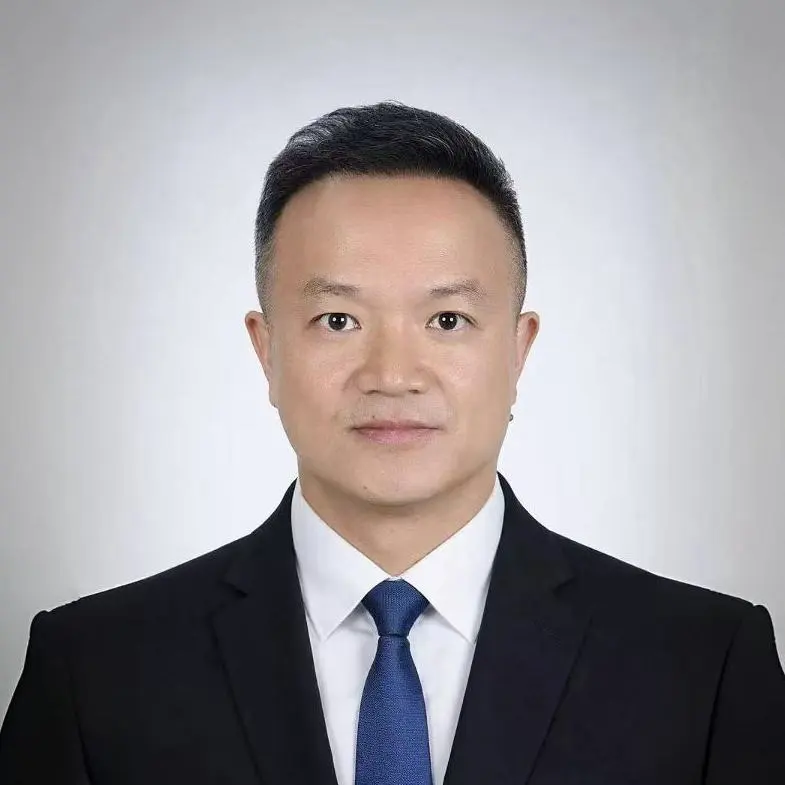
Travelling to Davos with fellow Fudan students and alumni was a rare and immersive research journey in itself. When guests on stage discussed artificial intelligence, the digital economy and sustainable development, we were able to cross-reference those macro topics with what we observed along the way—turning abstract ideas into three-dimensional understanding. We Fudan students and alumni travelling together exchanged ideas, inspired one another, and forged deeper bonds through our conversations.
As a member of FISF EMBA 2023, I feel honored to have been part of this Davos visit. It gave us a profound sense of how theory connects to reality and strengthened my resolve to integrate what I have learned into practice and to engage in global dialogue from a Chinese perspective. Let’s continue to light one another’s way in a global context. May we carry the bonds of friendship and shared insights back to our respective posts and keep putting the professionalism, sense of responsibility and human warmth of Fudan onto every mile of the real road ahead.
Zhiwei Fu
EMBA 2023 Student
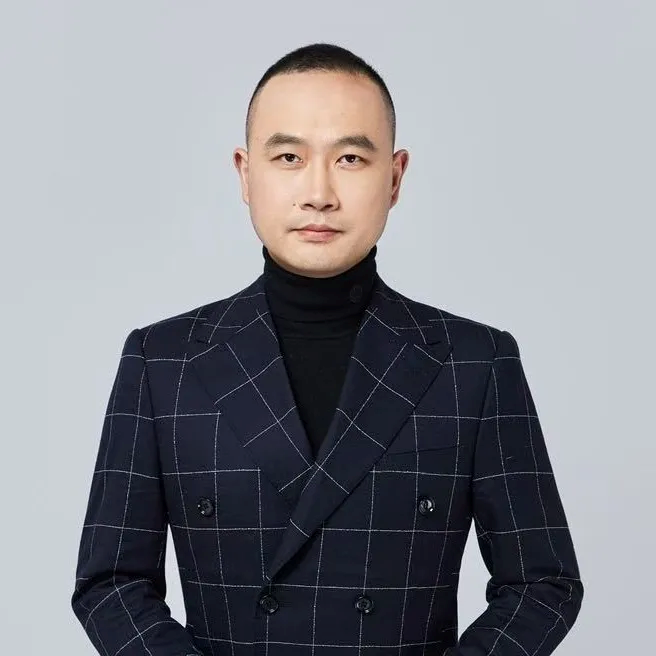
In January 2026, I attended the World Economic Forum in Davos, where I engaged in in-depth discussions on the deep integration of artificial intelligence and fintech. At a meeting dedicated to “digitalization and AI strategy”, a team proposed a forward-looking perspective that “technological empowerment must strike a balance between innovation and risk governance”. The “AI+financial ecosystem chain” model developed by the team offered innovative solutions for applications in green finance, cross-border payments, and the fashion industry, which inspired me greatly.
What moved me most during this journey were intellectual exchanges with world-class scholars and experts. From Silicon Valley tech pioneers to European Central Bank policymakers, from AI ethicists to blockchain developers, the clash of diverse perspectives made me truly feel how the wave of technological revolution has swept across every domain. When a founder of an AI healthcare startup shared “how algorithms are reshaping disease prediction systems”, it struck me: if we fail to actively embrace change, we risk being left behind by the times. So, once I returned home, I assembled a cross-disciplinary team to experiment with integrating of generative AI tools into my work. Davos gave me not only a broader vision but also the courage to break through the status quo and drive change.





 86-21-63895588
 Handan Campus: Building B, No.579 Guoquan Road, Yangpu District, Shanghai 200010