From “Using” to “Mastering”: An Immersive Hands-On AI Course | Team
Release time:2026-03-28
Today, as artificial intelligence is rapidly reshaping the way we work, how to make AI truly understand business needs and become a collaborative “digital partner” is a challenge that every professional must face. On March 25th, a staff training course titled AI-Driven Work Efficiency in Practice was successfully held. Nearly 60 faculty and staff members gathered to embark on a practice-oriented capability upgrade journey grounded in real-world demands.
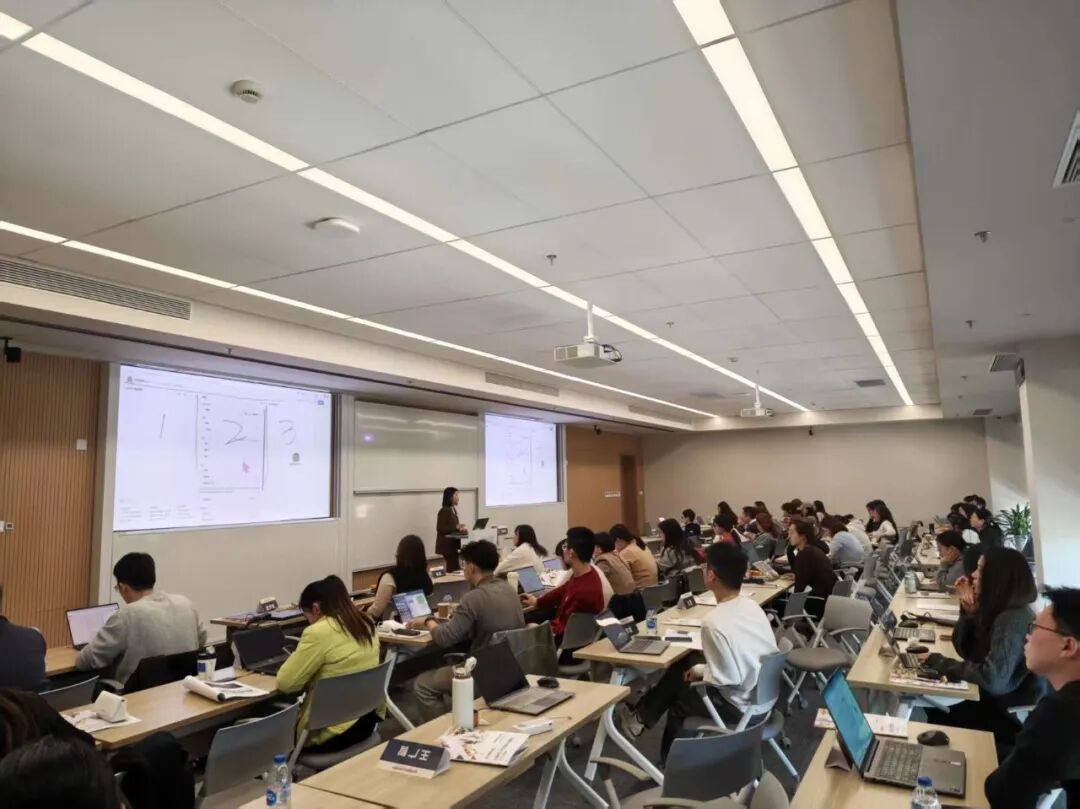
A photo of the course
Xuanxuan Xing, an AI agent engineer and senior corporate trainer, was specially invited to be the lecturer. The course progressed step by step, covering various aspects from methodologies to applications, from conceptual understanding to hands-on practice. It helped participants build a systematic understanding of how to use AI efficiently, while also embedding AI tools into everyday work scenarios. Each participant had the opportunity to get hands-on experience and even create their own personalized “AI agent assistant”.
“Model capability×interaction technology×professional expertise—that’s what unlocks AI’s real value.” Xuanxuan Xing started the training with this “effectiveness formula”, guiding participants out of the misconception that “input equals output”. Throughout the course, participants studied the case scenarios from the handouts and experimented with the universal prompting formula—“Role + Background + Task + Requirement”—to generate copywriting and planning content that more closely aligned with real-world work scenarios.
Subsequently, the course advanced to “AI agent building”. Xing broke down the essentials of creating AI agents, and guided participants to complete a transition from “using AI” to “shaping AI characters” by working on real-world scenarios—such as English conversation tutors and intelligent customer service—configuring prompts by hand, defining agent personas, and setting up response logic. Many said it was the first time that they had so tangibly experienced how AI agents could deliver definable efficiency gains for their daily work.
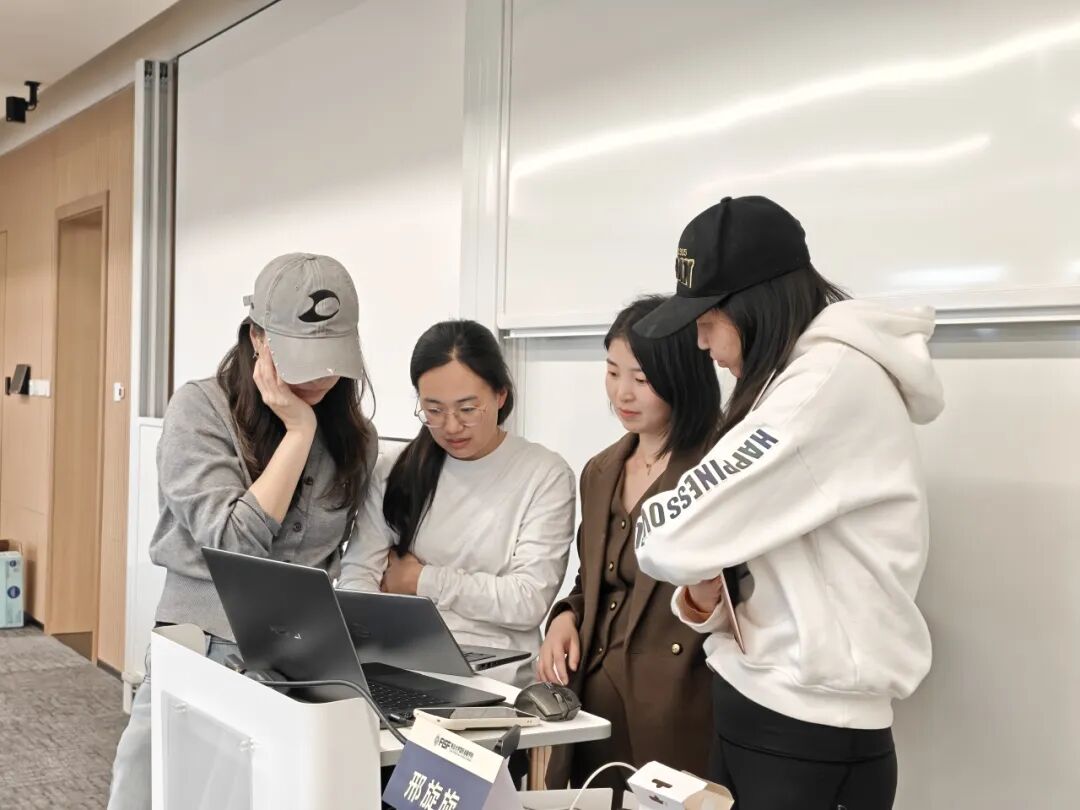
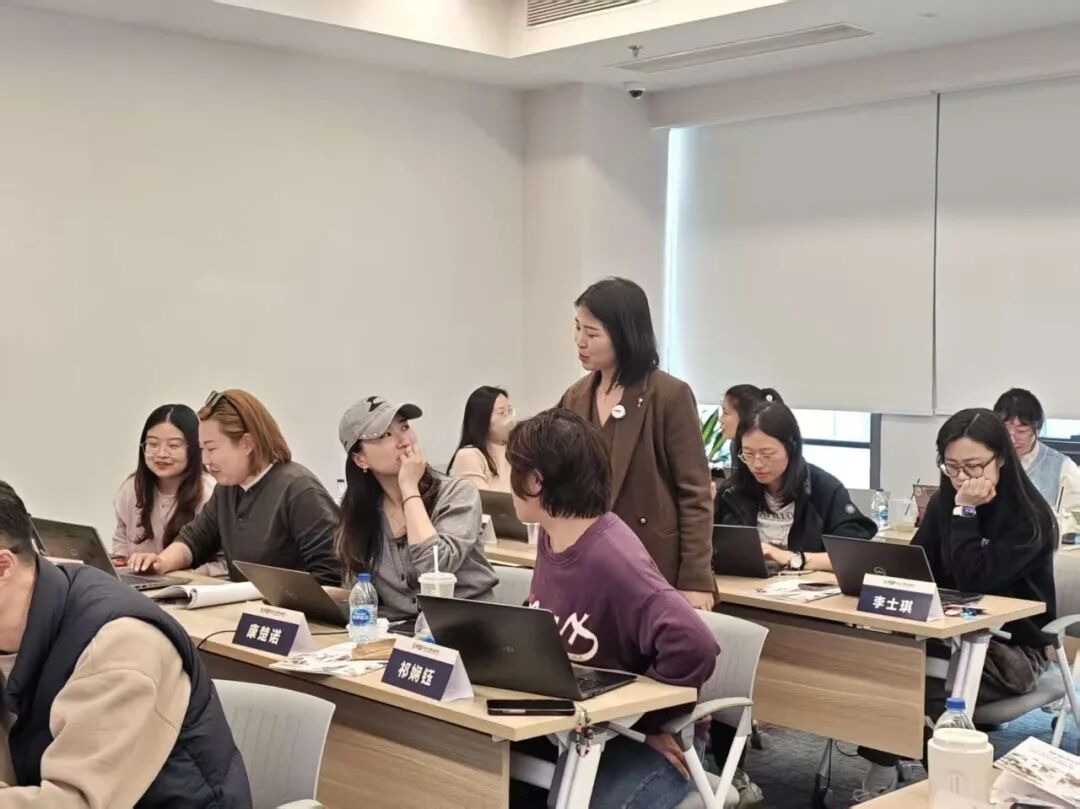
Xuanxuan Xing communicating with faculty and staff members
“AI is not a replacement—it is an empowerment.” In the afternoon session, the course returned to common workplace scenarios at FISF, offering a focused overview of AI applications in areas such as project operations, admissions marketing and administrative support. From drafting promotional copywriting and designing event proposals to organizing meeting minutes and visualizing data—through demonstrations and hands-on practice, participants not only mastered AI-assisted techniques across a variety of scenarios, but also saw more clearly that: when repetitive tasks are efficiently offloaded, humans can focus more on what really matters—creating and deciding.
Though intensive, the one-day course was full of interaction and inspiration. Through multiple rounds of learning and hands‑on practice, participants gradually shifted from “trying out the tools” to “intentionally designing how to use them”—one of the most important takeaways of the training. Looking from a broader perspective, behind this shift lies a fundamental upgrade in how we work.
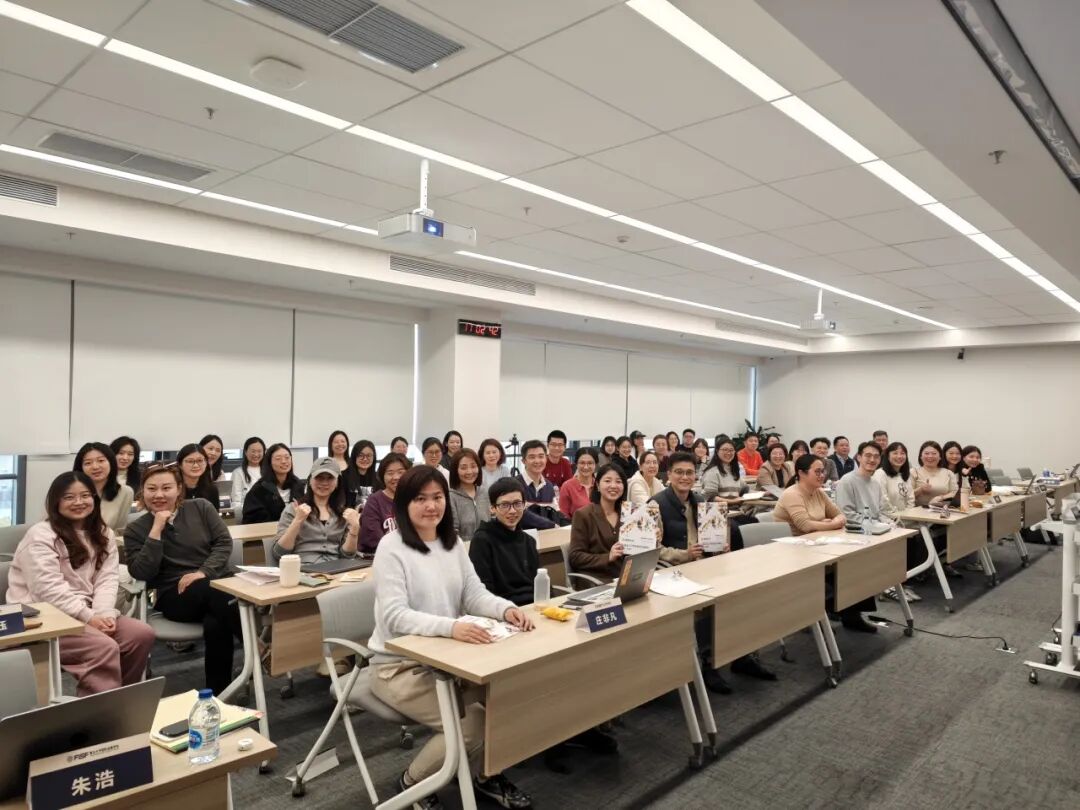
Group photo of the course
FISF has always placed a strong emphasis on the ongoing growth of its faculty and staff in their overall competence and professional expertise. This practical course on AI-driven work efficiency represents a vivid example of the school’s commitment to deepening the integration of “people” and “tools” in the context of digital transformation. Looking ahead, FISF will continue to introduce more high-quality courses that align with the real world and empower professionalism, helping every faculty and staff member to run faster and go farther in the age of AI.





 86-21-63895588
 Handan Campus: Building B, No.579 Guoquan Road, Yangpu District, Shanghai 200010