A Two-Way Journey, A New Chapter in Spring—2026 Spring Double Selection Fair is Successfully Held | Career
Release time:2026-04-25
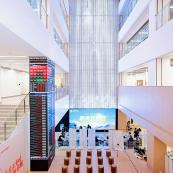
2026 Spring Double Selection Fair
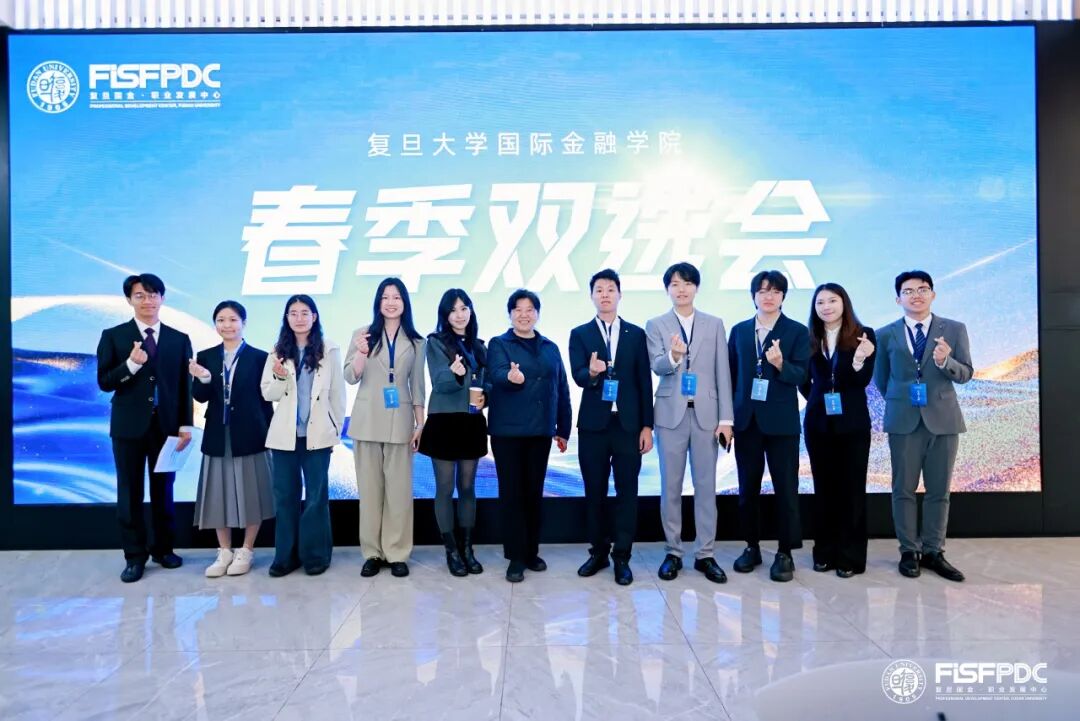
In order to build a direct bridge of interaction between financial enterprises and outstanding students, achieve precise matching between talent and positions, and supply high-quality compound professionals to the financial industry, the 2026 Spring Double Selection Fair was successfully held on April 22nd at the main campus of FISF by Professional Development Center (PDC).
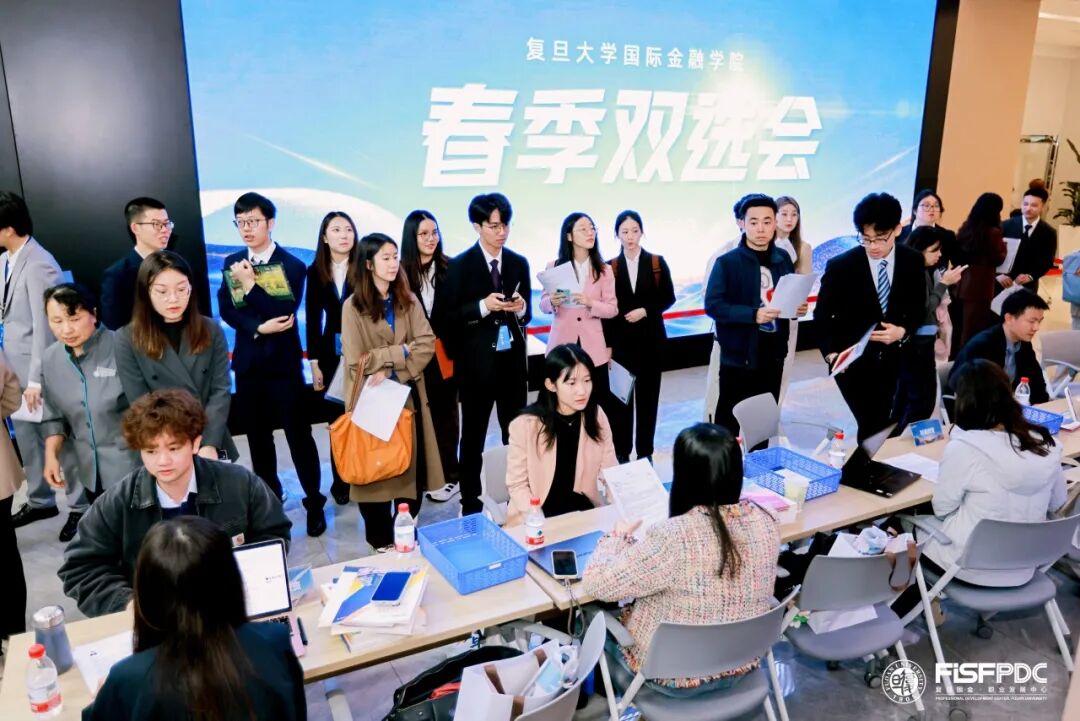
At the Double Selection Fair, over 30 domestic and foreign financial institutions participated, bringing nearly 100 high-quality job openings across sectors covering securities firms, banks, private equity (PE), financial advisory (FA), asset management, funds and quantitative finance. More than 100 FISF students attended the fair and seized this valuable opportunity to engage in in-depth conversations with recruiters. Through these interactions, students gained a more practical understanding of employer expectations and job requirements, better assessed their own positioning, clarified their career paths, and felt the pulse of the industry. Meanwhile, the face-to-face exchanges enabled employers to more quickly identify promising talent, working together to uncover new energy for the future of the financial industry.
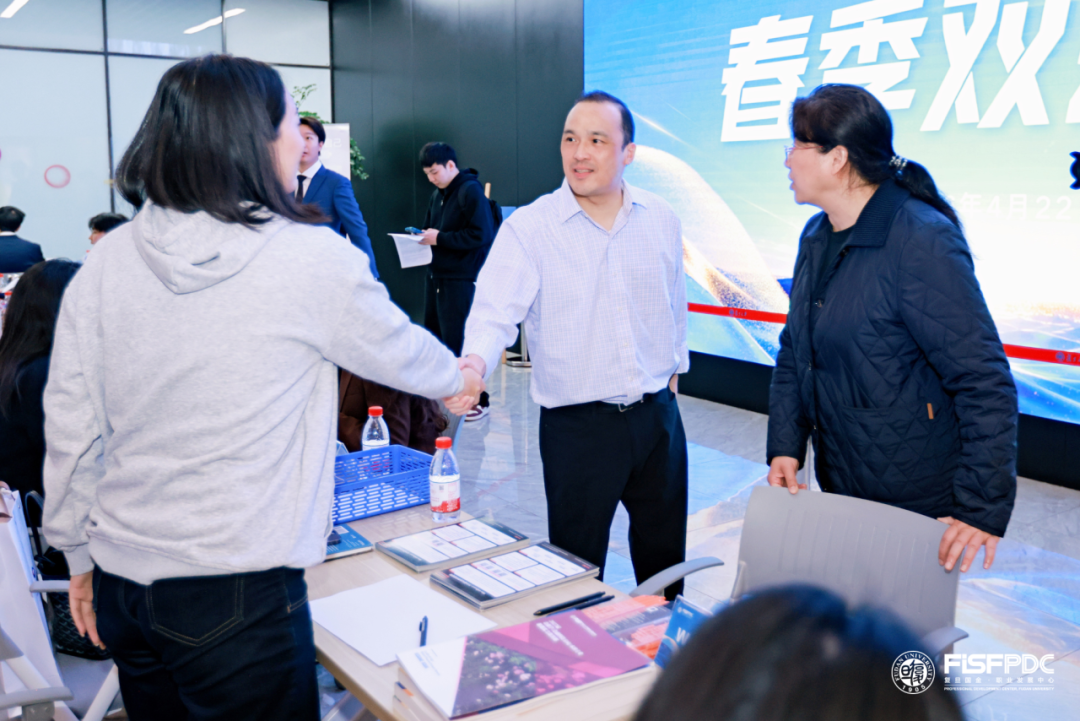
Charles Zhang, Deputy Dean of Academics at FISF and Professor in Finance, was present at the fair, had cordial conversations with corporate representatives and gave a warm welcome to all participating institutions. He expressed sincere gratitude to the enterprises for providing FISF students with valuable internship and job opportunities, as well as the hope for further cooperation between the enterprises and the school, with the aim of jointly building a more stable platform for career matching to help students achieve high-quality development. He also extended his best wishes for a successful spring recruitment season for the enterprises to attract more outstanding financial talent and inject fresh dynamics into the high-quality development of the financial industry.
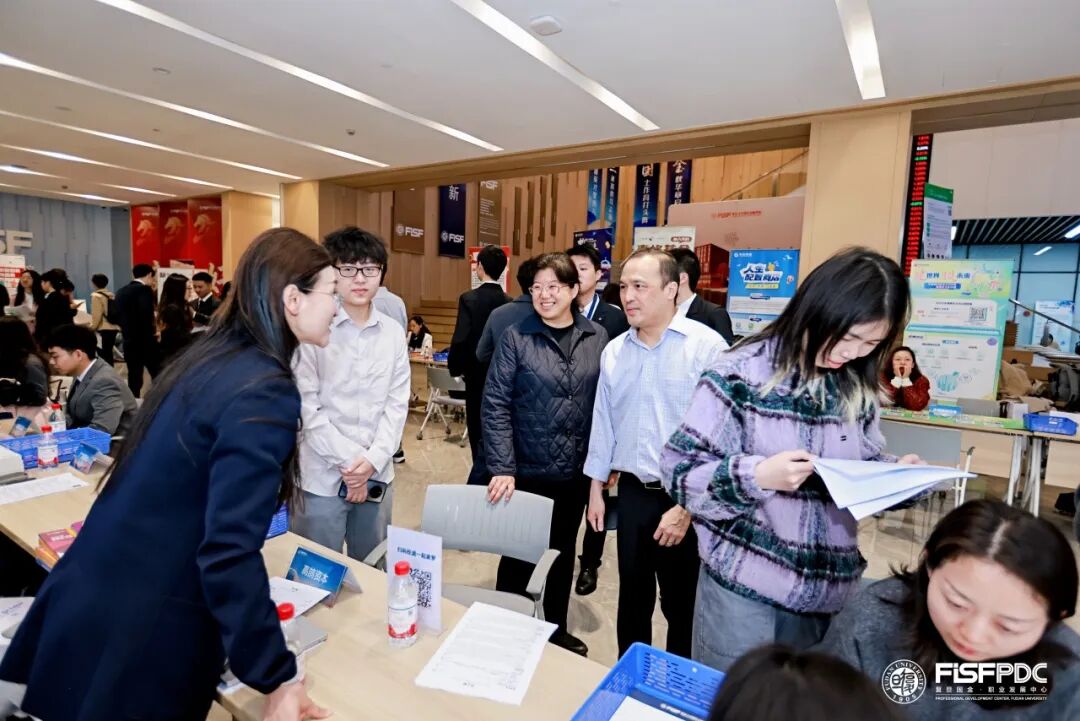
PDC has been actively seeking out more internship and job opportunities and building a platform for students of 2026, 2027 and 2028 Elite Masters of Finance (EMF) and MBA FT+ to communicate with the industry. At the same time, 2029 fintech-oriented undergraduates also attended the fair in professional attire, equipped with well-prepared Chinese and English resumes. They actively interacted with senior students and HR professionals on site, learning from their experiences.
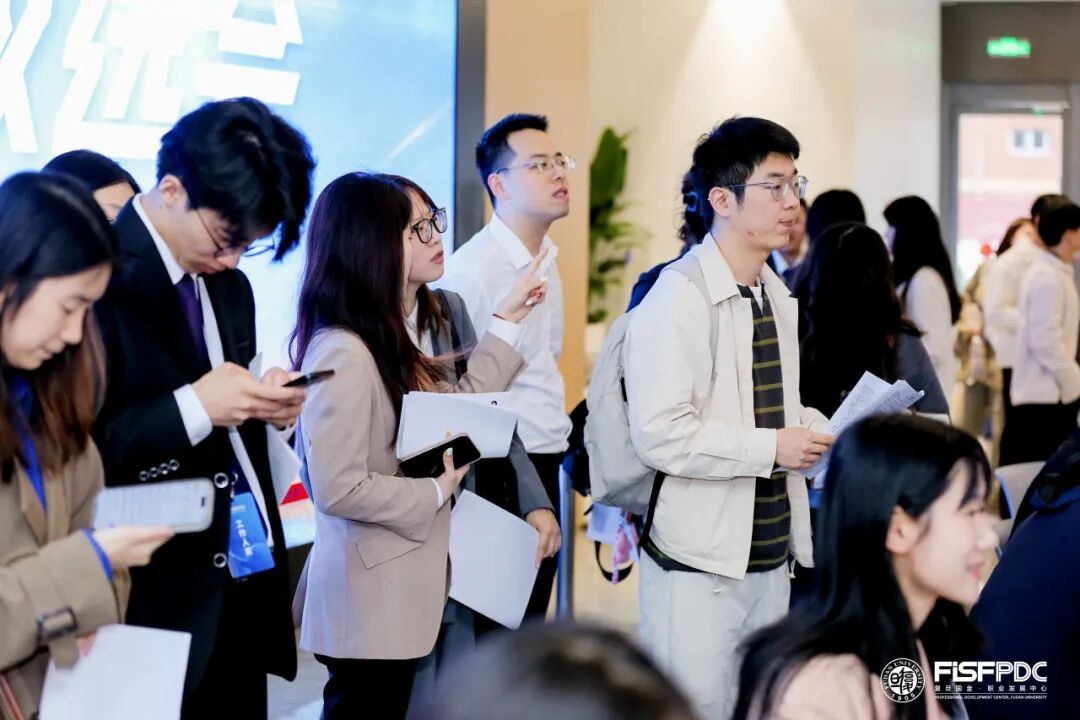
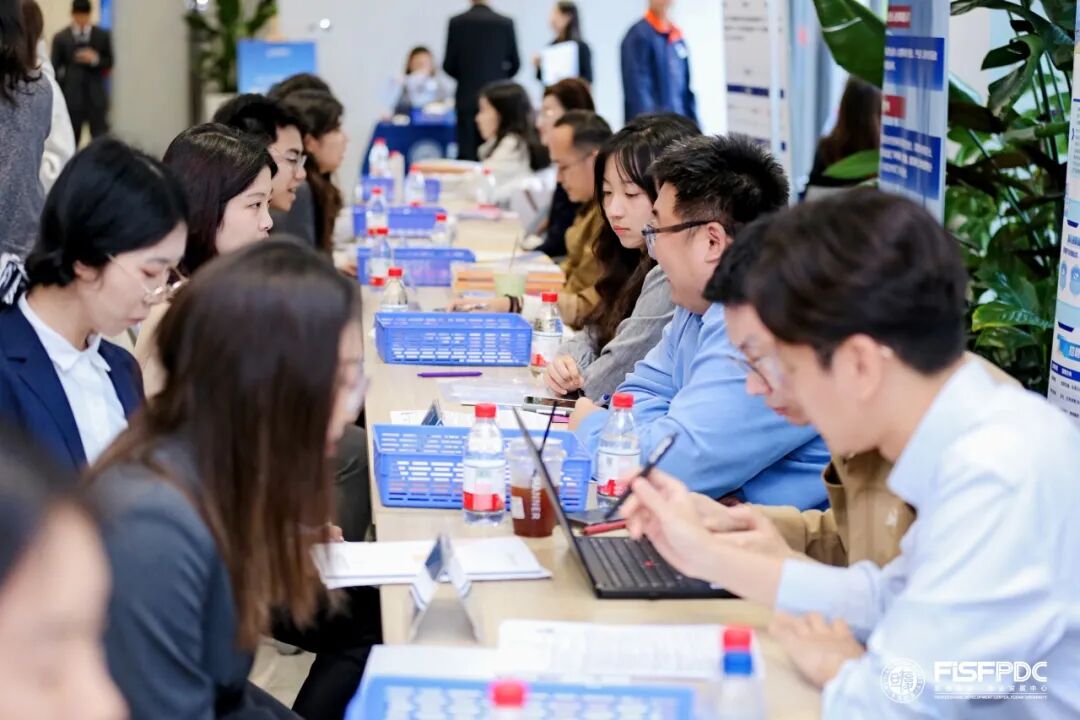
Dressed in professional attire and carrying carefully polished resumes, the students actively navigated between the exhibition booths, engaging in in-depth conversations and proactive exchanges with corporate HR representatives. While enthusiastically expressing their career aspirations, they sought detailed information about job requirements and career trajectories of various positions in different enterprises, and humbly discussed current hot topics with HR professionals. In turn, the HR representatives drew on industry cases and patiently offered guidance in various dimensions like professional skills, career competencies and corporate culture. They provided expert advice, such as “certain technical skills to be highlighted on the resume” and “showcasing the ability to learn quickly in the age of AI”, helping students identify their competitive edges and discover development opportunities better suited to their strengths.
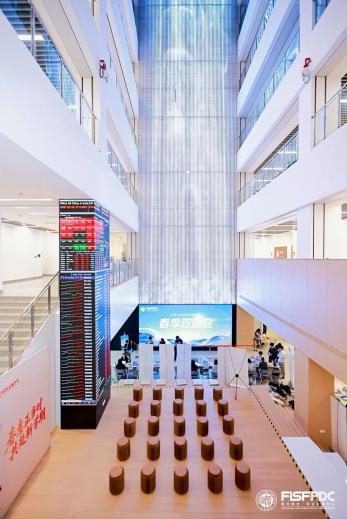
CAREER FAIR
With spring recruitment in full swing, the 2026 FISF Spring Double Selection Fair remained squarely focused on the core mission of “precise matching”, and, in line with the latest industry trends, built an efficient and convenient two-way platform connecting students with employers. PDC will continue to leverage a variety of collaborative formats—career development seminars, enterprise site visits, employer info sessions and more—to tightly link students’ career aspirations with corporate talent needs. By identifying diverse, high-quality opportunities from industry development, it aims to help FISF students clarify their professional directions, pursue their ambitions and achieve a coordinated resonance between personal growth and industry progress. These efforts further embody the international and professional education philosophy of FISF, while also injecting new blood with drive and enthusiasm into the talent pipeline and high-quality development of the financial industry.

In response to the various questions that students care about—such as recruitment requirements and the changes brought about by the AI era—let’s hear what interpretations our corporate friends made:
Q: What factors do you pay the most attention to when going through resumes?
FISF students all have excellent educational backgrounds. We may focus on their internship experience, relevant skill certifications, and sector-specific internships. From the tasks they’ve actually handled during the internships, we can decide if there’s a connection between their skills and the position we’re hiring for. On the other hand, some students may not have extensive internship experience but are very strong in research, which will also be considered if they can provide evidence of that ability. Lastly, skill certifications can also serve as additional references.
Z
We often look at applicants’ academic background and hands-on experience. More importantly, we care about how students have allocated their time throughout their university years and how they have planned their own development. It’s not solely about internships or extracurricular activities.
R
Professional competence and knowledge reserve are the most fundamental. Then we lay much emphasis on the relevance of the internship experience or other campus activities to the potential capabilities required for our positions. And thirdly, we’ll see whether their personalities or traits are a good fit.
X
As a private equity firm, we look for relevant prior experience. For those with no direct experience, I’d see if they have a background in investment banking or equity research at a securities firm, which typically builds strong fundamental skills in research and financial analysis. Moreover, students who have worked in research or investment banking tend to have a higher tolerance for pressure.
S
(For investment research positions) we don’t strictly require students to have relevant internship experience, as we fully understand that with heavy academic pressure, students on campus often have no time to complete relevant internships. It’s a plus to have relevant internship experience at high-quality institutions and thus be able to adapt to the position more quickly, but we don’t blindly value impressive internship credentials. Some students may have extensive internship experience yet lack deep independent thinking about the market. Their true level in this aspect can easily be revealed during interviews. Compared with an internship background, we place greater emphasis on students’ academic performance and their independent reflections and insights into the stock market. Our priority is to select young talent with strong long-term development potential.
Z
Q: Given how rapidly AI is advancing, what qualities or capabilities do you think are the most critical for those entering the financial industry? And what skills are relatively scarce currently?
Independent thinking, the ability to use AI, and strong insight.
R
Although AI is evolving rapidly and stands at the forefront of technological change, what matters most is the ability to learn quickly.
G
Q: What changes have you observed in the recruitment trends of the financial industry over recent years? Which positions show the most potential, and which ones are worth continuing to focus on?
The recruitment trend is closely related to industry cycles. After two years of consolidation, we’re seeing a recovery this year. Companies are beginning to hire again, offering more diverse open positions. So far, the area with a particularly noticeable shift is investment banking, which has presented fewer projects and thus fewer hires due to tightened approvals. Now that the overall trend is picking up, demand for corresponding talent is also beginning to rise.
X
In recent years, the capital market has been recovering constantly. Compared with previous years, there are more job opportunities in the industry, and recruitment quotas for graduates in 2026 and 2027 are also more ample, making this time an excellent window for students to enter the financial industry. At present, both the public reputation and overall remuneration levels of the financial sector are at a relative cyclical low, but industry fundamentals are steadily improving. In the long run, this current phase represents a prime opportunity to get engaged in the financial field.
G
For students with a non-financial undergraduate degree, we don’t set limits on major backgrounds and offer cross-disciplinary students' equal opportunities. That said, it’s better for them to acquire at least basic knowledge in finance, so that they can get up to speed more quickly in subsequent internships or full-time roles. Our firm focuses on long-only equity investment and thus place greater value on students’ genuine passion for the stock market as well as the willingness to commit themselves to deep investment research. We also look for students who are able to think independently and form their own investment insights and approaches. A specific degree is not the main barrier. What truly matters—and what investment institutions value most—is passion for the industry, potential for growth, and the ability to generate innovative investment ideas.
R
Were there any students or performances that impressed you most in today’s interviews or conversations?
I’m particularly impressed by undergraduates. They start exploring career paths quite early on. This is good.
R
I think FISF students are quite thorough and well-rounded. Some may directly highlight their comparative strengths in a brief way, and others, especially those in lower grades with forward-looking perspectives, show a strong desire to learn more about this industry, understand the current state of the market, or get a sense of the hiring landscape. So overall I’d say FISF students are well-rounded across multiple dimensions.
X
I think most FISF students have a very clear plan for their career. This is probably thanks to the guidance they receive from the school faculty on a regular basis. My impression is that students here have a relatively stronger advantage over those from other schools, as they generally know what they truly want.
S

Let’s hear what students had to say about their experiences and lessons from the Double Selection Fair:
- Student Zhong from 2028 EMF
I mainly interacted with HR representatives of two companies today. What impressed me most was how warm and attentive both of them were. They showed genuine interest in every student looking for an internship and took time to carefully understand our past experience, giving full attention to each of us. For this Double Selection Fair, I reorganized my resume and sorted out some research reports I had worked on earlier. Moreover, I systematically reviewed the companies and industries I had studied during my previous internships, and refined my own investment logic, so that I could share my perspectives more quickly and effectively with the recruiters.
- Student Sun from 2028 GBF
I had talks with representatives from several companies today. They are all very experienced and have a solid grasp of their businesses. Through our conversations, I had a better understanding of different corporate cultures and hiring styles. For instance, by interacting with professionals from certain primary market institutions, I deepened my appreciation of angel financing and venture capital, which greatly enhanced my own understanding of the field. I’m truly grateful to the school for this precious opportunity it provides.
Personally, I’m interested in public funds on the secondary market. At the fair, I came across many promising opportunities and had smooth chats with HR representatives. I’m really looking forward to seeing how things progress. When communicating with HR professionals, I learned about the overall recruitment and internship landscape this year. Such information was more concrete and multi-dimensional than what I could gather from online resources. I have also gained a richer knowledge of the overall market, making a good reference for my decisions about my future career path.





 86-21-63895588
 Handan Campus: Building B, No.579 Guoquan Road, Yangpu District, Shanghai 200010