Integrating East and West, Leading the Future with Wisdom | Annual Review of the 2025 Inaugural Cohort of the Global CEO Programme (Part 1)
Release time:2026-03-02
January 2026
The FISF-Said Global CEO Programme, co-launched by the Fudan International School of Finance (FISF) and the Saïd Business School of the University of Oxford in January 2025, is a two-year programme designed against the backdrop of the evolving global political and economic landscape and the shift in global economic development momentum, with a keen insight into the new learning needs of Chinese and international entrepreneurs. Bringing together world-class curricula and faculty, the programme offers two-way exchange and learning opportunities between Eastern and Western economies, integrating global finance, cutting-edge technology, and humanistic business ethics. It aims to empower entrepreneurs to discern the essence of business, understand financial logic, lead innovation and transformation, and apply management practices in real scenarios, nurturing leaders with a global vision, forward-thinking, innovative spirit and humanistic care.
Looking Back on the Spring Festival | The Global Learning Journey of the Inaugural Cohort in the Past Year
As the 2026 Spring Festival approaches, we take this moment of bidding farewell to the old and welcoming the new to review the learning journey and phased achievements of the inaugural cohort of the Fudan-Oxford FISF-Said Global CEO Programme over the past year.
Opening Module
Professor Jin Li, President of Fudan University and Member of the Chinese Academy of Sciences, delivered a keynote lecture titled Deepening Industry-Education Integration with a Down-to-Earth and Ambitious Approach, Boosting Industrial Upgrading through Joint Efforts in the Opening Module. He pointed out that the global innovation landscape is undergoing restructuring, with scientific and technological innovation becoming the focus of international competition. Scientific and technological innovation plays a pivotal role in driving industrial innovation across three dimensions: high-quality development, the cultivation of new productive forces, and the trinity of education, science & technology, and talent. As a key hub in the innovation system, universities need to build a three-dimensional and dynamic integration framework to advance the integrated development of education, science & technology, and talent.
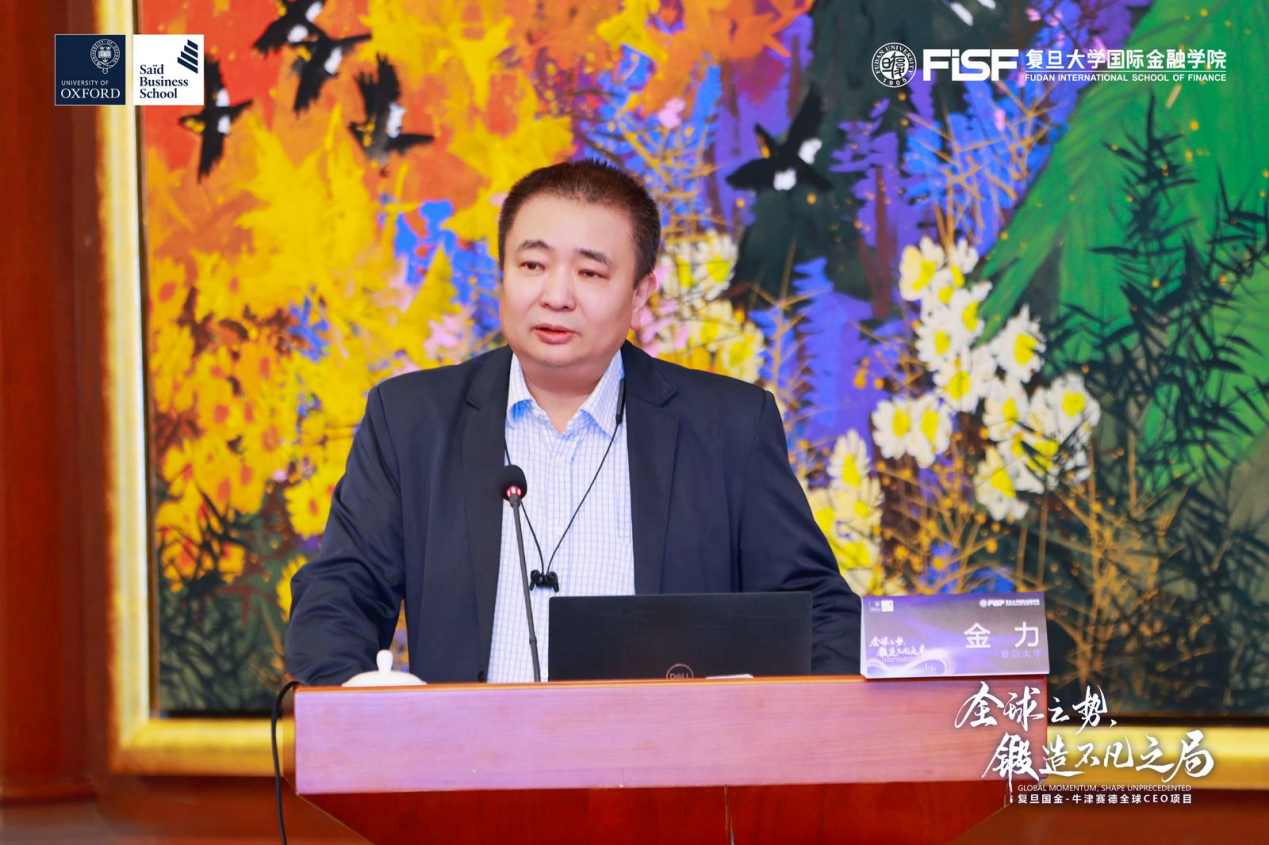
Principal Jin Li
Professor Huang Haizhou, Member of the Monetary Policy Committee of the People's Bank of China and Distinguished Professor at FISF, delivered a lecture titled The Global Financial System: Crisis, Innovation and Outlook. He conducted an in-depth analysis of the macro policies and asset performance of major economies post the pandemic, noting that the global economic crisis will drive the correction and calibration of the monetary price system. Once a new monetary order is established, the global economy will embark on a new round of recovery and growth.
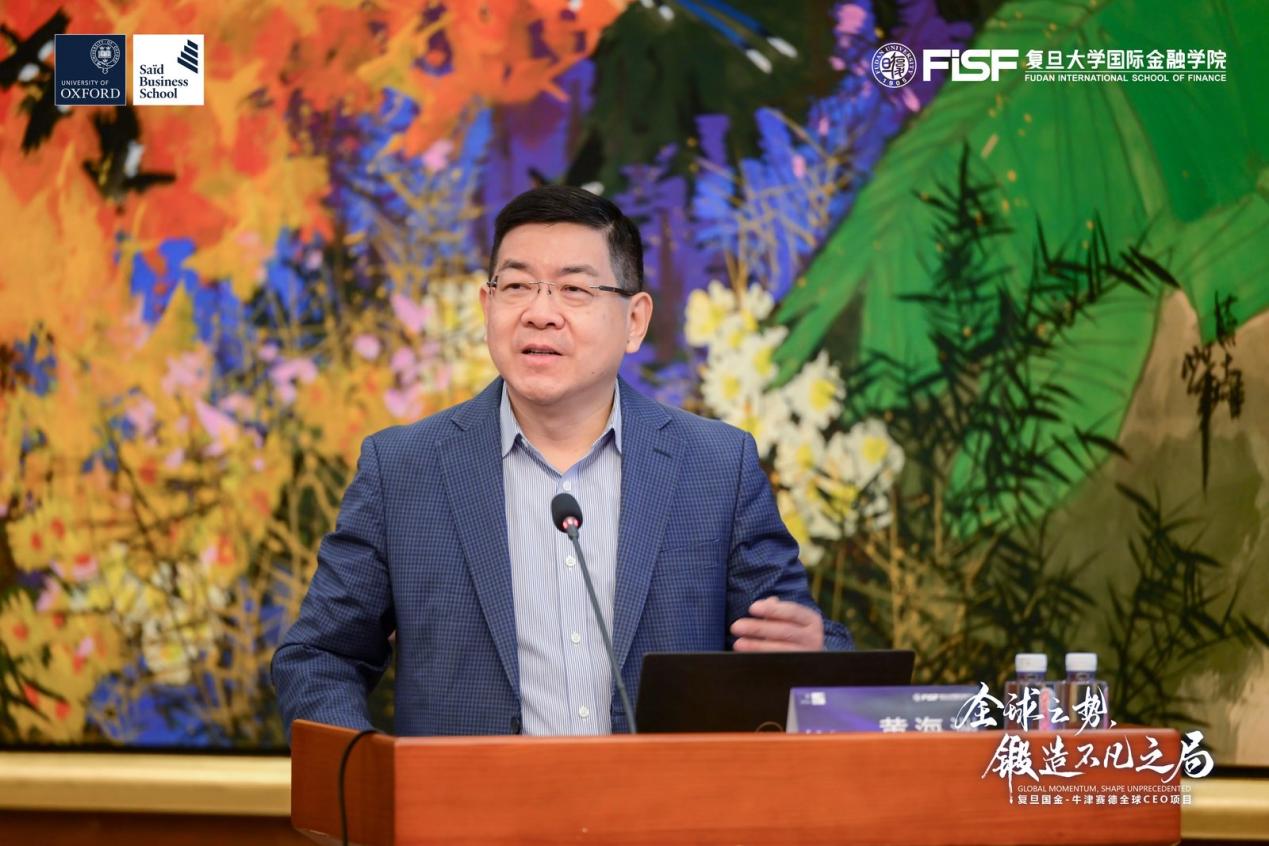
Professor Huang Haizhou
The Opening Module also featured a special lecture by Professor Wu Xinbo, Dean of the Institute of International Studies at Fudan University and Director of the American Studies Center at Fudan University (a key research base for humanities and social sciences of the Ministry of Education), titled Great Power Game: The Current Situation and Prospects of China-US Relations. He mentioned that political polarisation in the US, economic uncertainty, and divergent positions among members of the ruling team will bring significant variables to policy-making. China needs to adhere to a bottom-line thinking, carefully plan its starting point, treat negotiations with prudence, and be prepared to respond to conflicts. At the same time, China should actively expand relations with third parties, seize tactical opportunities in the complex situation, and enhance its strategic space on the international stage.
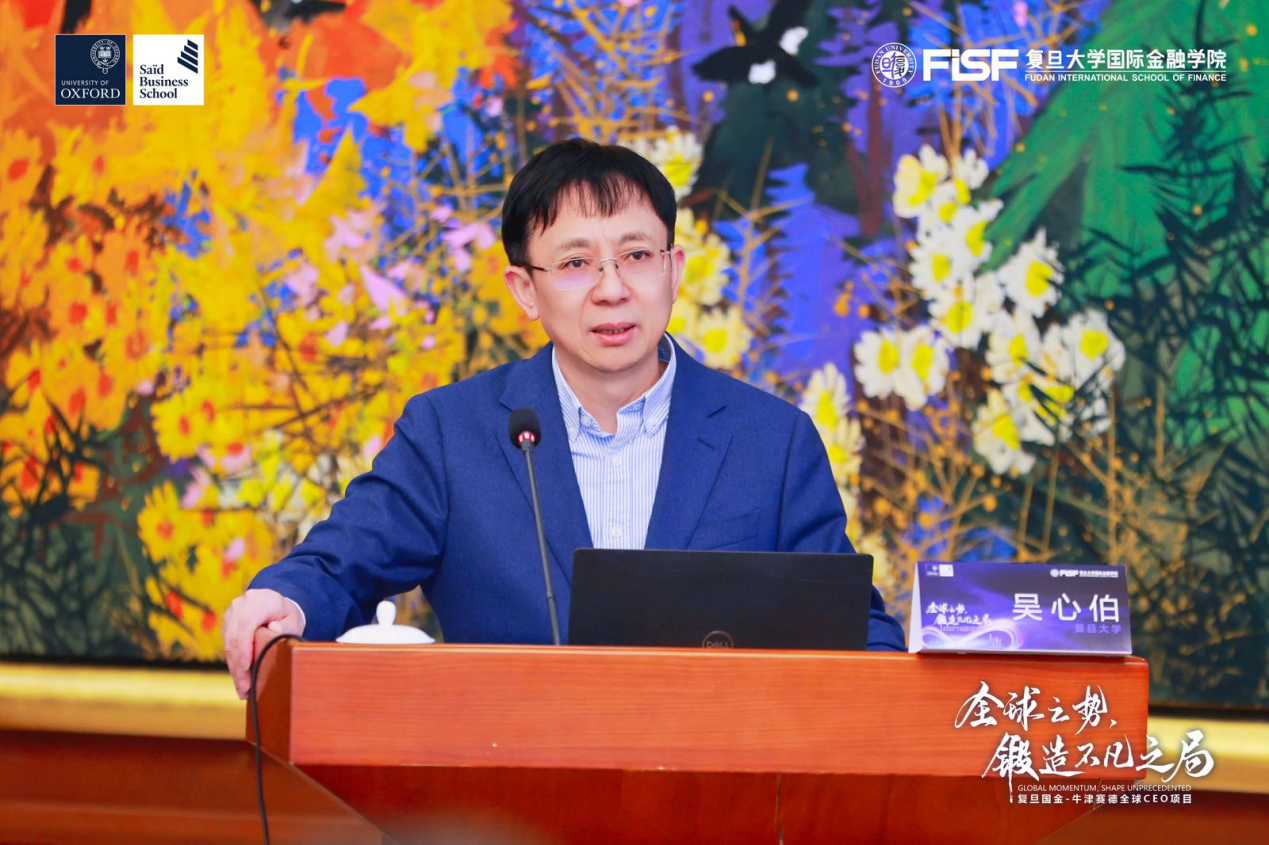
Professor Wu Xinbo
Hong Kong Module
This module brought together a world-class faculty, including Professor Guo Yike, Vice President of the Hong Kong University of Science and Technology (HKUST) and Fellow of the Royal Academy of Engineering; Professor Chin Leng Looi, Founder of the Center for Asian Family Business and Family Office at HKUST and Professor of Finance; Professor Peng Qian, Director of the aforementioned center; Professor Chris Kutarna from the Oxford Martin School; and Professor Trudi Lang, Professor of Strategic Management at the Saïd Business School, University of Oxford.
Professor Guo Yike engaged in an in-depth discussion with the participants on the scientific philosophy and industrial insights of artificial intelligence (AI). He pointed out that AI is not only a technological revolution but also another leap in human civilisation. Its core lies in understanding the essence of intelligence through the "first principles" and reconstructing the future landscape of human-machine collaboration with large language models as a breakthrough point.
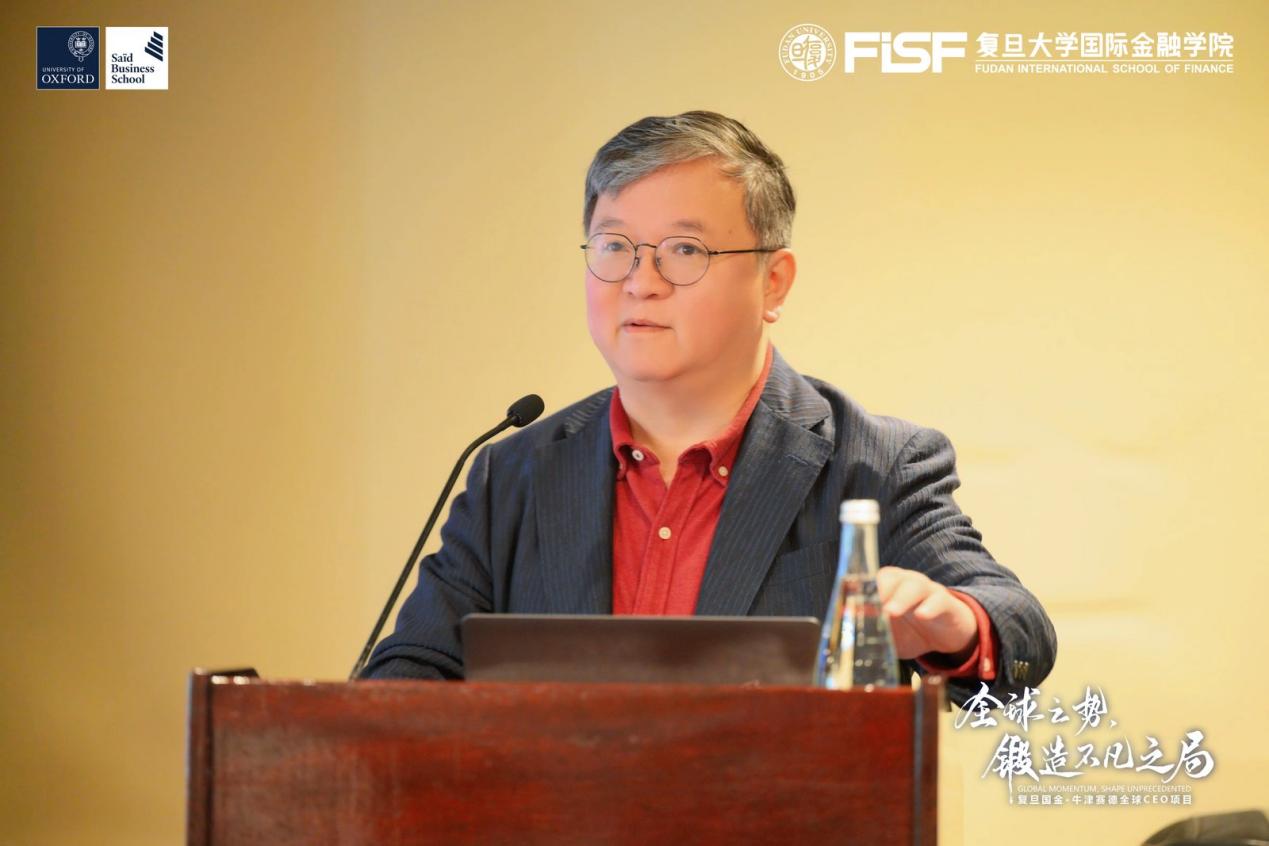
Professor Guo Yike
Professor Chin Leng Looi and Professor Peng Qian delivered a course titled From Family Business to Business Family, and to Family Office. Professor Looi proposed solutions to the curse of "wealth not passing three generations", stating that family offices can act as a "bonding agent" to resolve intergenerational and equity conflicts through governance mechanisms, achieving the "three preservations": preservation of wealth, harmony and legacy. Professor Peng Qian pointed out that in addition to managing investment portfolios and family trusts, family offices should also participate in assisting family governance and education, promoting family cohesion, the smooth inheritance of enterprises, and strategic philanthropy.
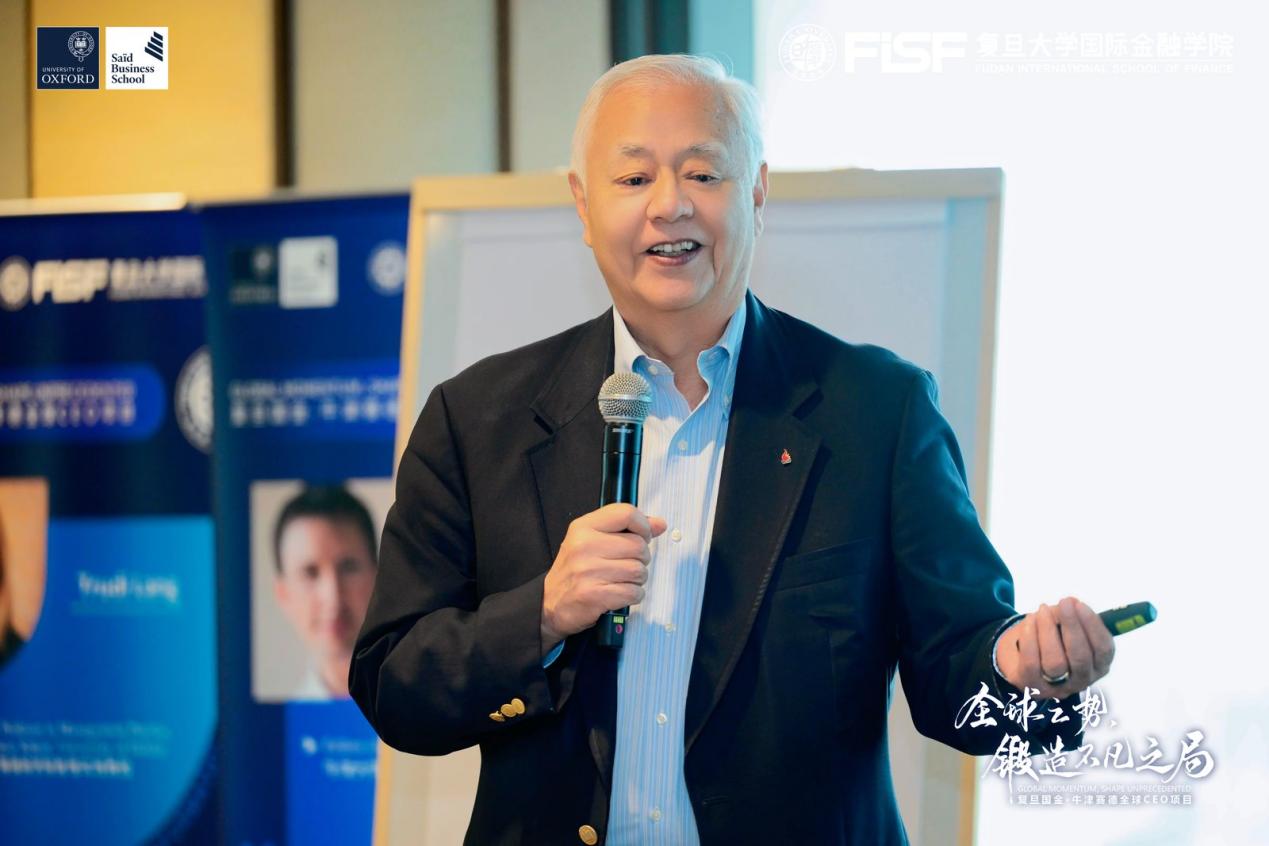
Professor Jin Leqi
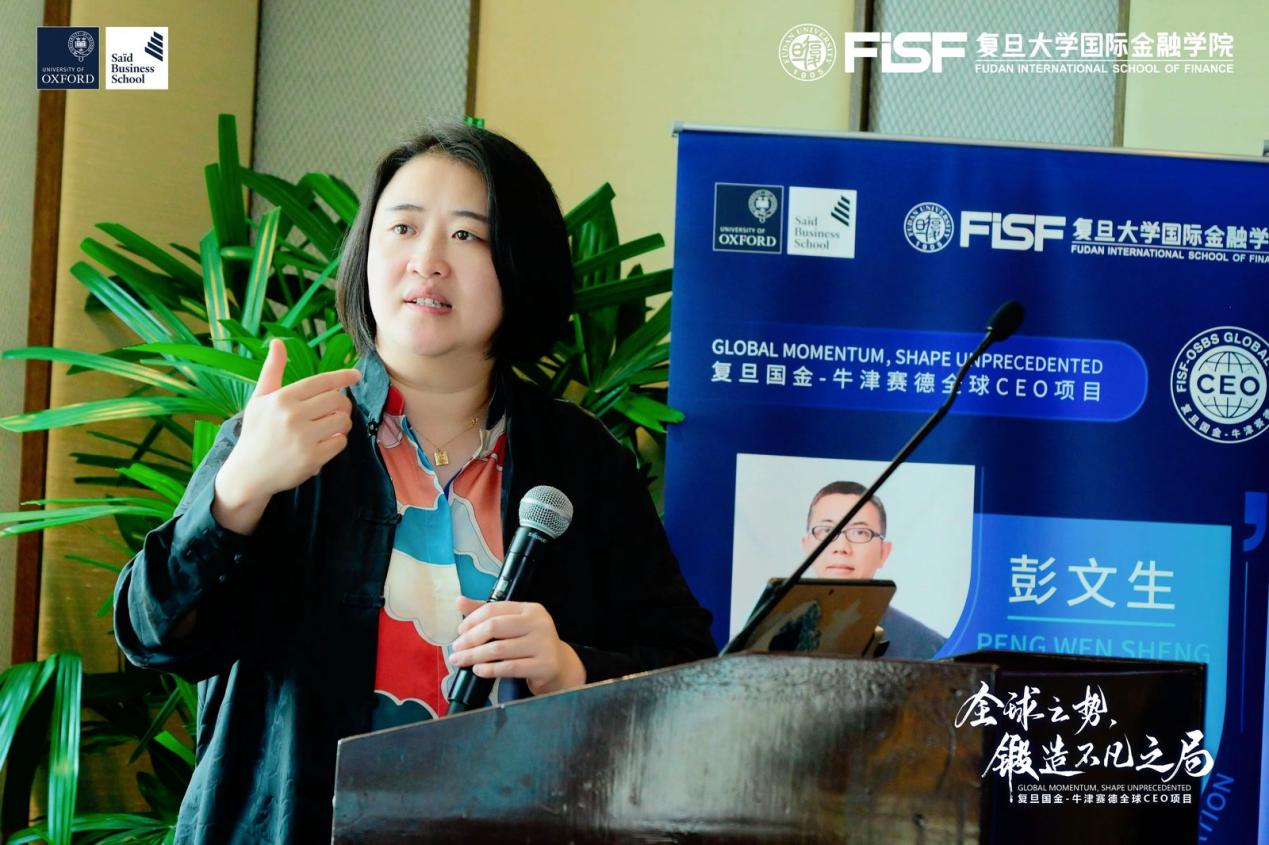
Professor Peng Qian
Professor Chris Kutarna from the Oxford Martin School conducted a systematic analysis of the core risk factors facing the 21st century, and further extended the discussion to global uncertainties and structural challenges in the subsequent UK Module.
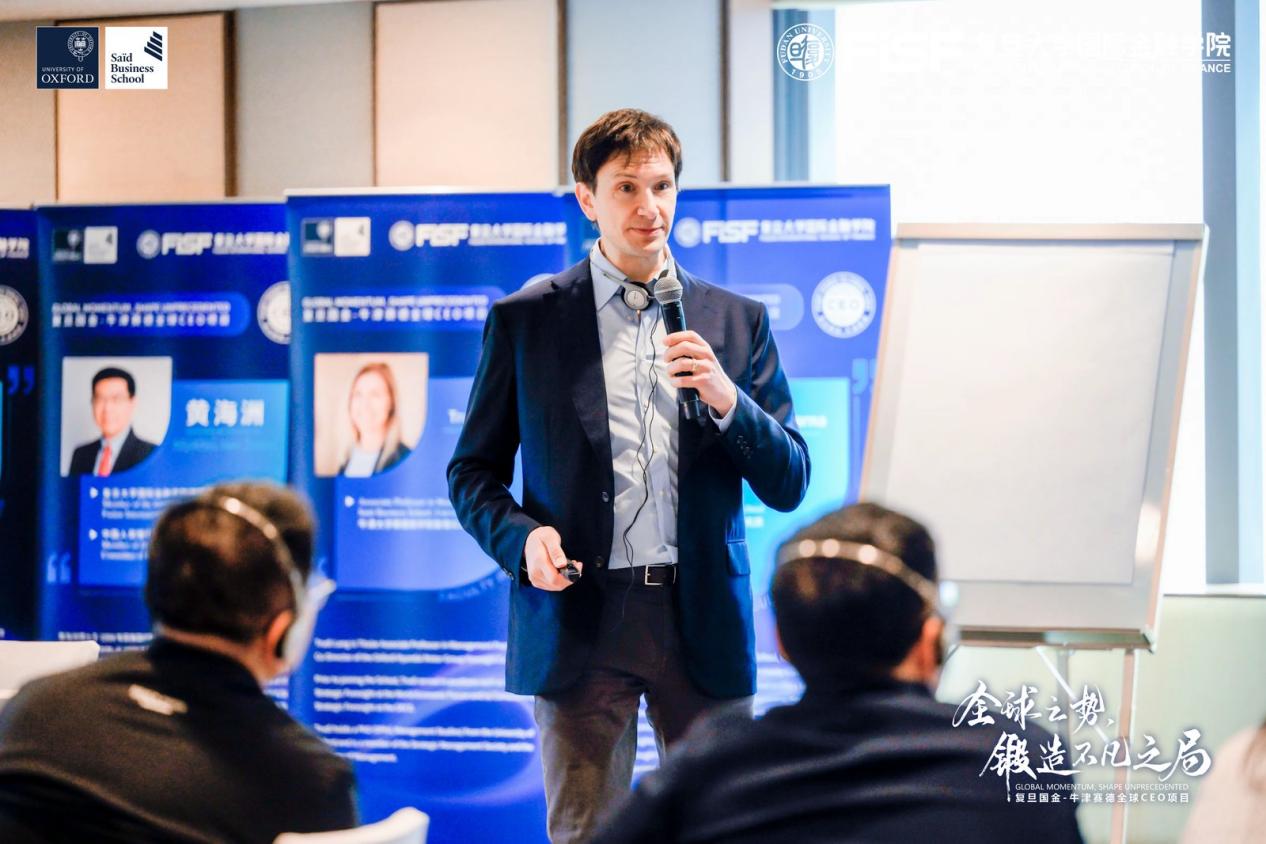
Professor Chris Kutarna
Professor Trudi Lang focused on the entrepreneurial perspective and elaborated on how strategic thinking should be constructed and evolved under the current economic and political landscape.
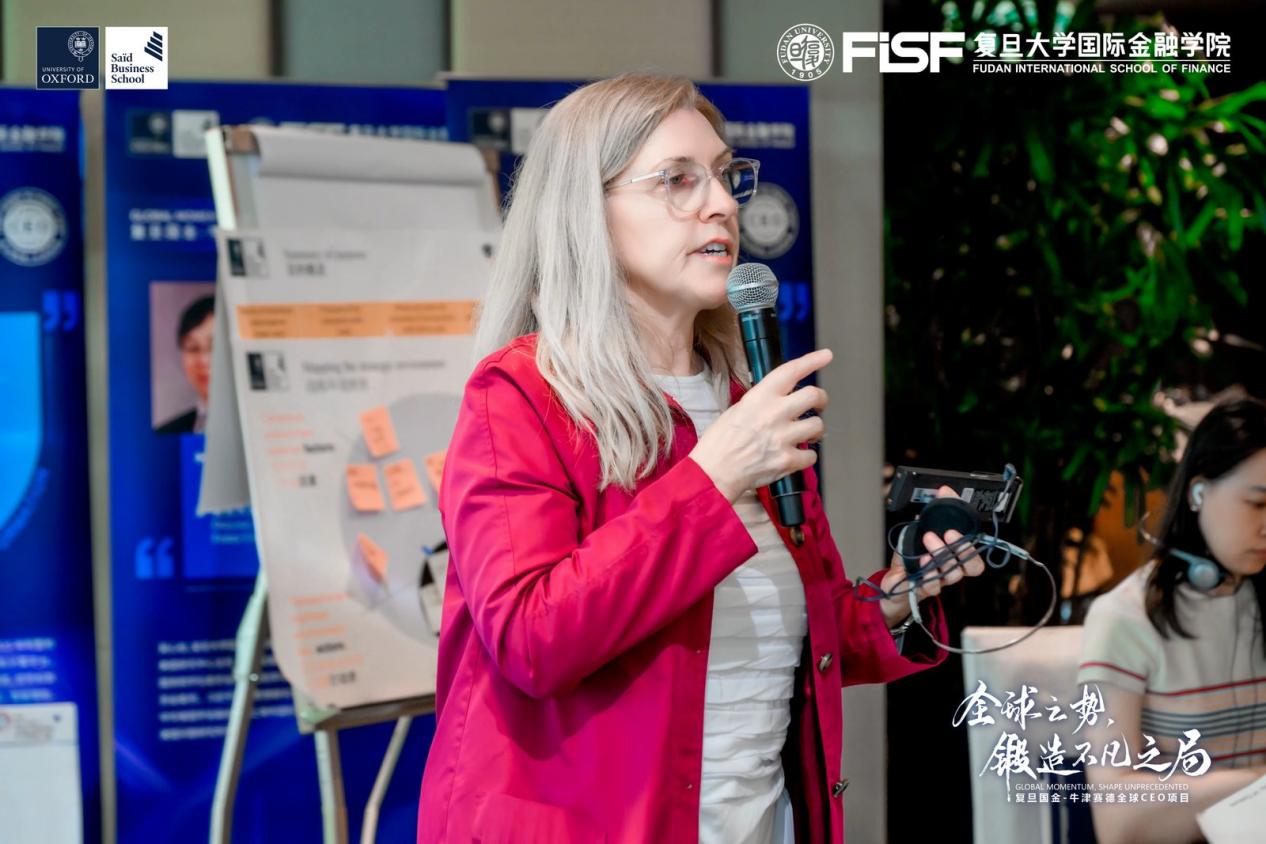
Professor Trudi Lang
120th Anniversary Module
May 2025 marked the 120th anniversary of the founding of Fudan University. Rooted in Fudan's profound academic accumulation over the past 120 years, this module brought together frontline experts, scholars and industry leaders at home and abroad to conduct in-depth lectures and ideological exchanges around the propositions of the times and industrial frontiers.
Professor Liang Jianzhang, Member of the International Advisory Committee of FISF, Co-founder of Ctrip Group and Population Economist, proposed that "innovation and inheritance are the best means to achieve entropy reduction in human civilisation". He shared the "National Innovation Capability Model" – National Innovation Capability = Population Size × Population Quality × (Internal Exchange + External Exchange). Combining China's current population issues and the global competition pattern of human resources, he warned of the erosion of innovation vitality by the "lying flat" phenomenon and the "low-desire society", proposed solutions such as pro-natal policies and de-intensification of education, and called for the construction of a positive cycle of "innovation-population".
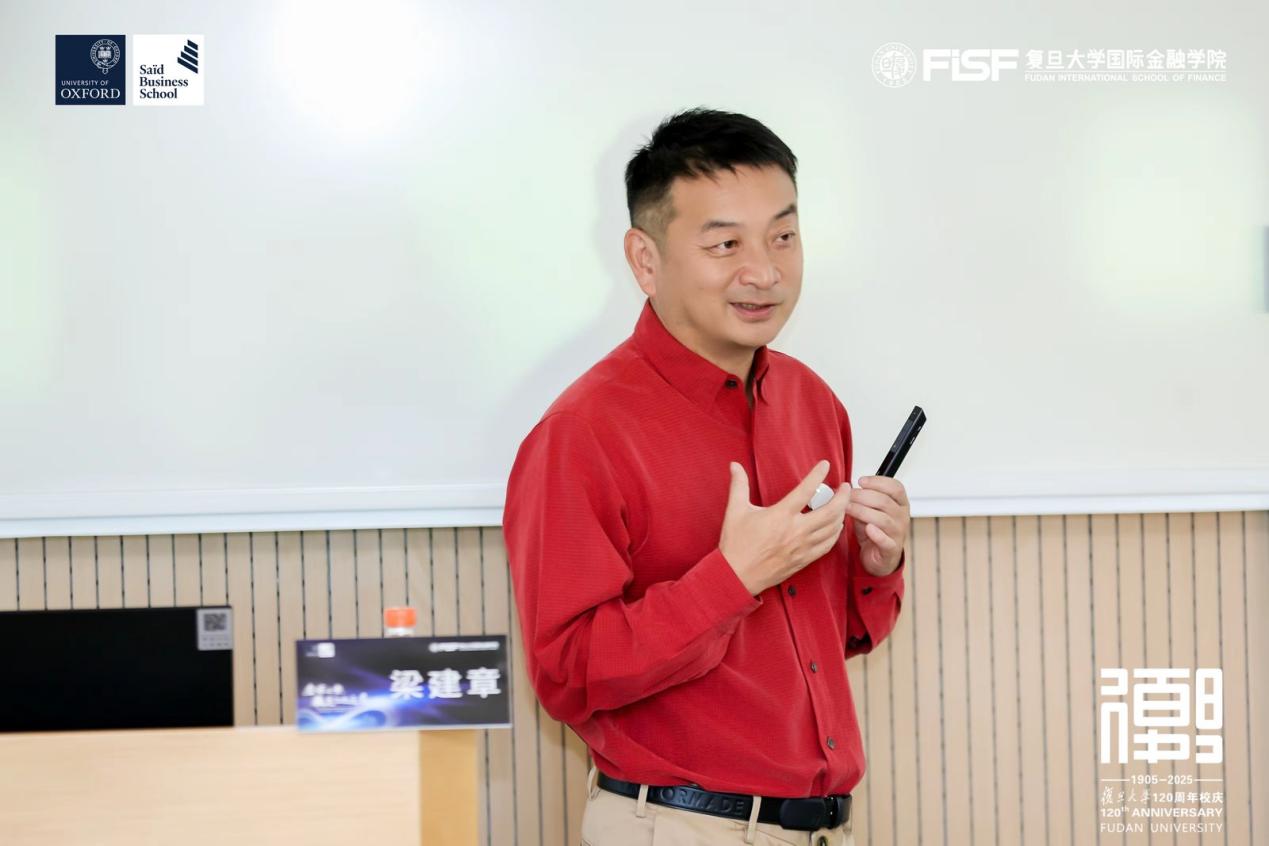
Professor Liang Jianzhang
Associate Professor Jiang Peng from the Department of History at Fudan University and a guest speaker on CCTV's Lecture Room shared a lecture titled The Development of Chinese Culture in Opening Up and Integration. He argued that the vitality of Chinese culture lies in its characteristic of "taking our own path as the mainstay and embracing all useful elements". Every round of in-depth opening up has driven the leap of civilisation; on the contrary, any attempt to cut off integration and exchanges will eventually be proven short-sighted by history.
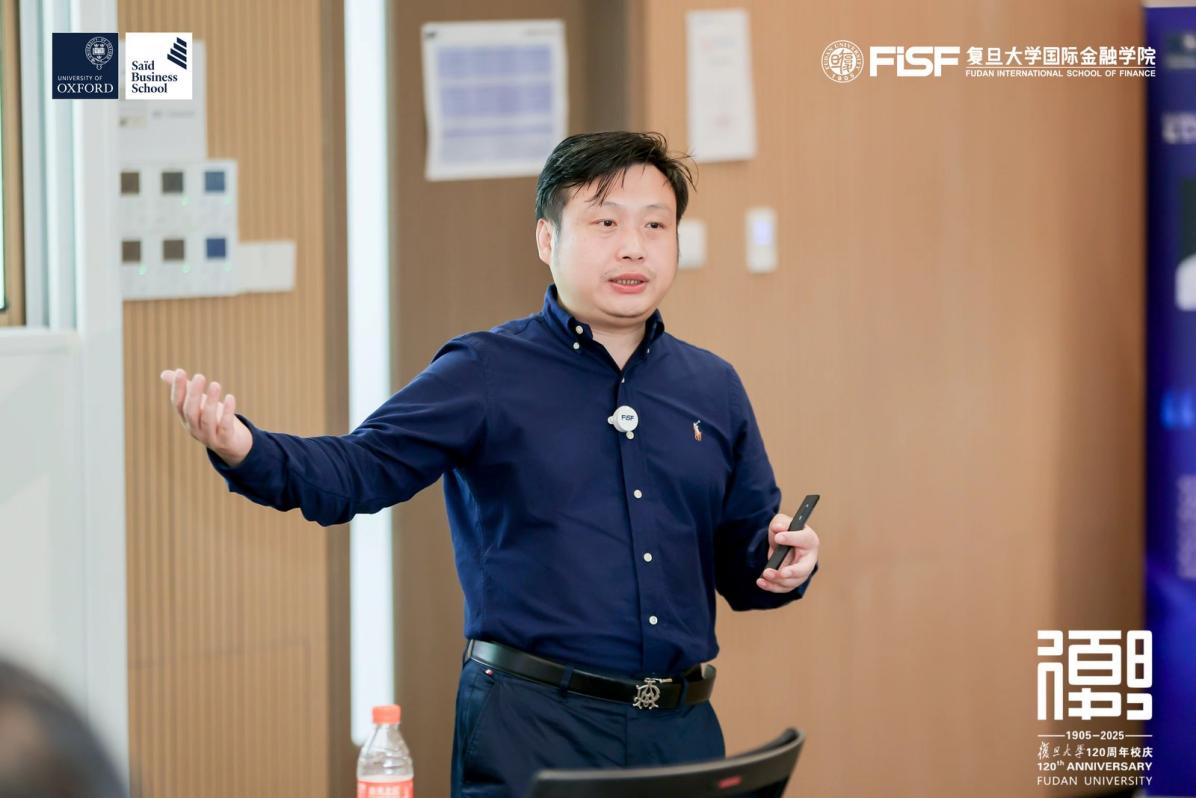
Professor Jiang Peng
Professor He Zhiguo, Distinguished Professor of Finance at FISF and Chaired Professor of Finance at the Stanford Graduate School of Business; Professor Franklin Allen, Co-Chair of the International Advisory Committee of FISF, Dean and Chaired Professor of the Imperial College Business School; and Professor Jiang Wei, President-elect of the American Finance Association (AFA), Associate Dean and Chaired Professor of the Emory University Goizueta Business School, delivered in-depth, interdisciplinary and multi-dimensional interpretations around three major themes: China-US financial markets, human-machine collaboration and AI governance.
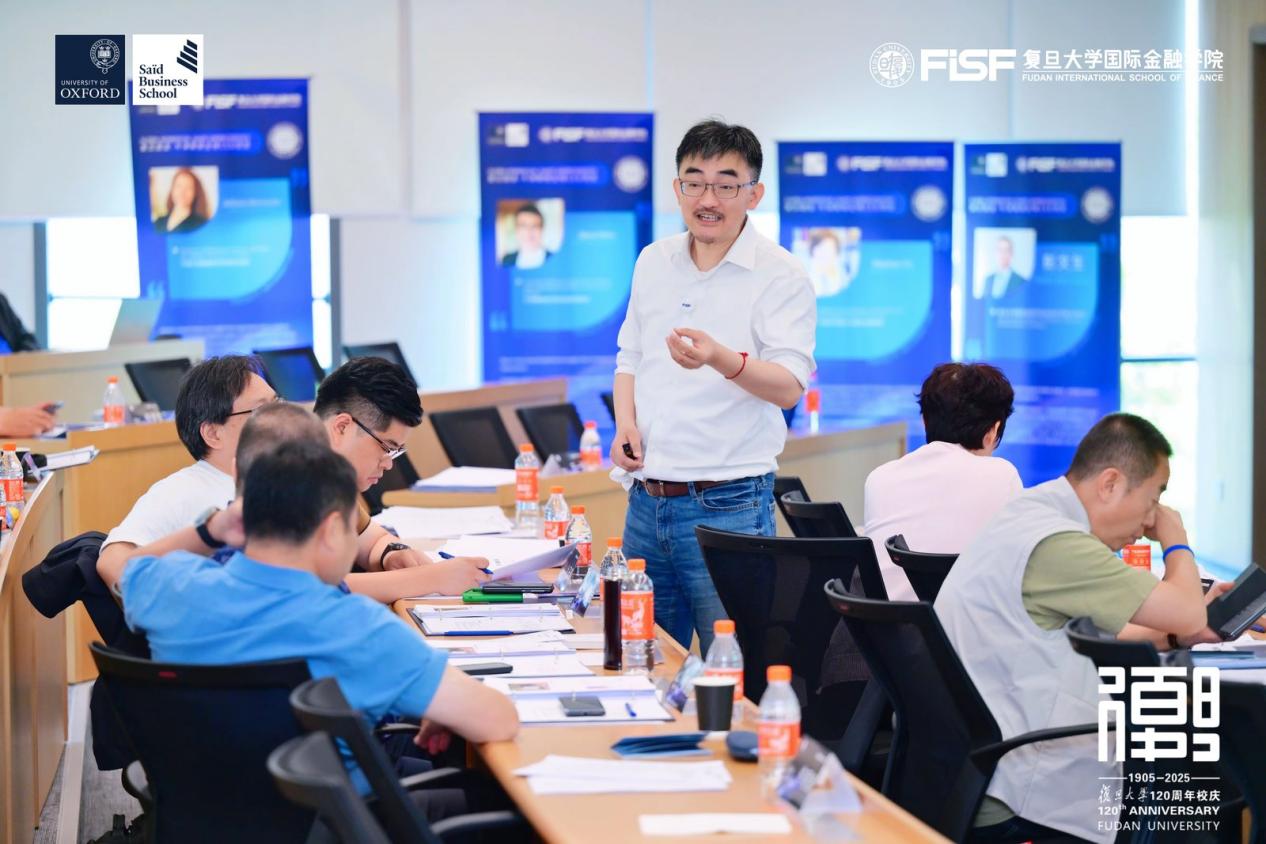
Professor He Zhiguo
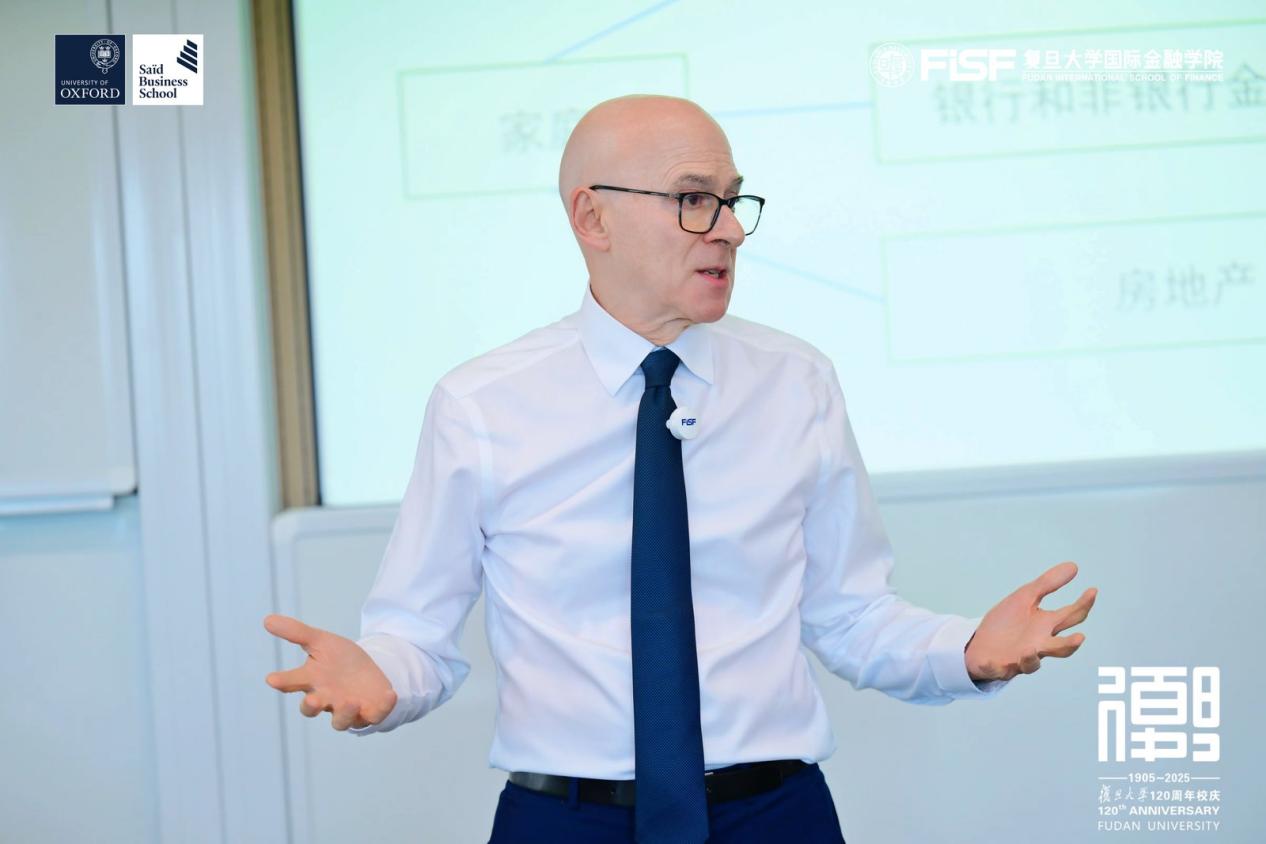
Professor Franklin Allen
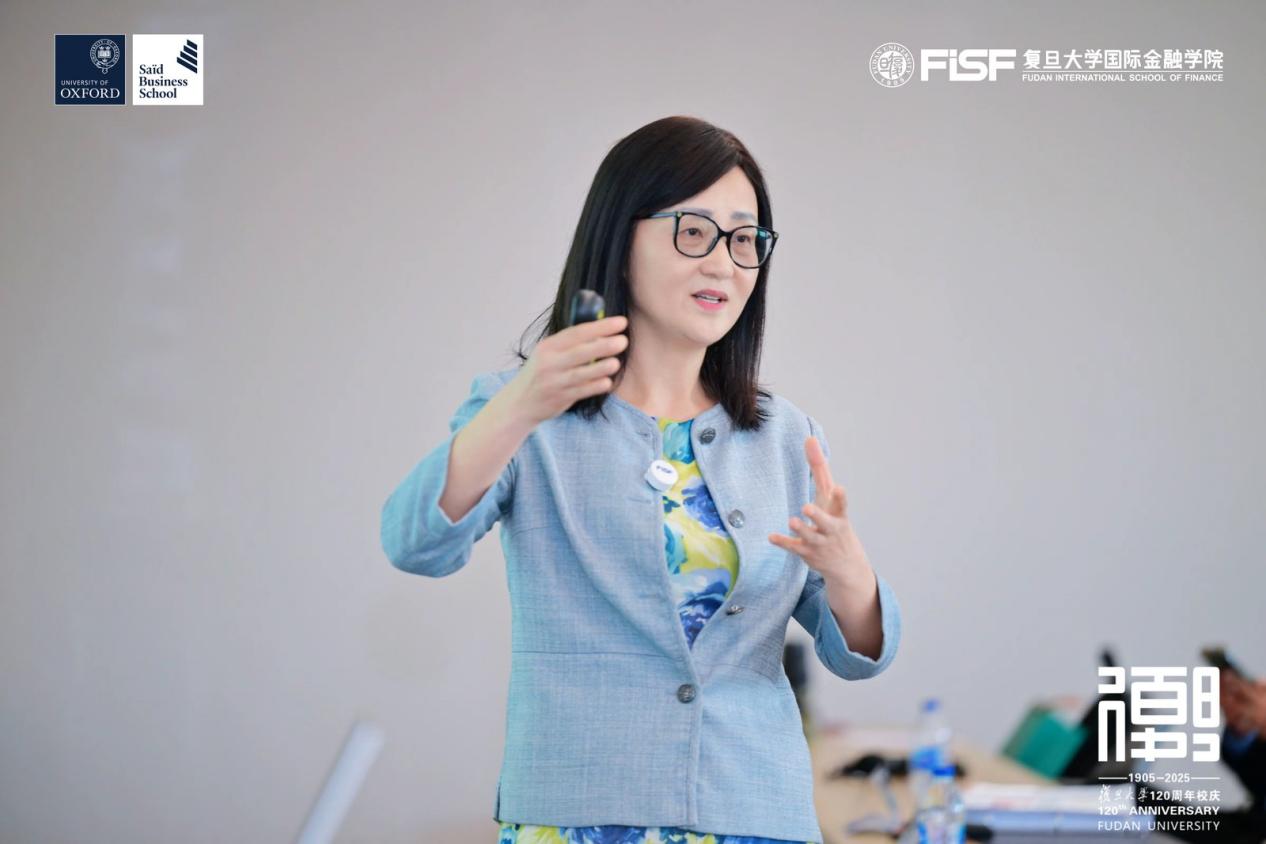
Professor Jiang Wei
UK Module
In July 2025, the UK Module was successfully held in Oxford and London. The Saïd Business School of the University of Oxford carefully arranged lectures by more than a dozen professors for the participants, with curricula covering the global economic landscape and hot topics, integrating economic and financial knowledge, science and technology, and humanistic business ethics, and balancing theory and practice. Leveraging Oxford's world-class faculty, this module presented the participants with a profound and extensive learning experience.
The curricula of the UK Module were designed based on the programme's philosophy of integrating economics and finance, science and technology, and humanistic business ethics.
Economics and Finance
Professor Chris Kutarna from the Oxford Martin School delivered a lecture titled Global Uncertainties and Insights into the Macro Landscape. He analysed cutting-edge changes such as the accelerated energy revolution, breakthroughs in food technology, fragmentation in AI governance, and leaps in materials science, as well as the declining stability of global geopolitics, the persistent "de-risking" tendency in Europe and the US, and the continuous threats to uncertainty posed by security anxiety and the stalemate in geopolitical conflicts. He emphasised that in an era of rule restructuring, the ability to identify trends is more strategically valuable than technology itself, and enterprises should pay attention to the cross-impact of technology and rules to seize first-mover advantages.
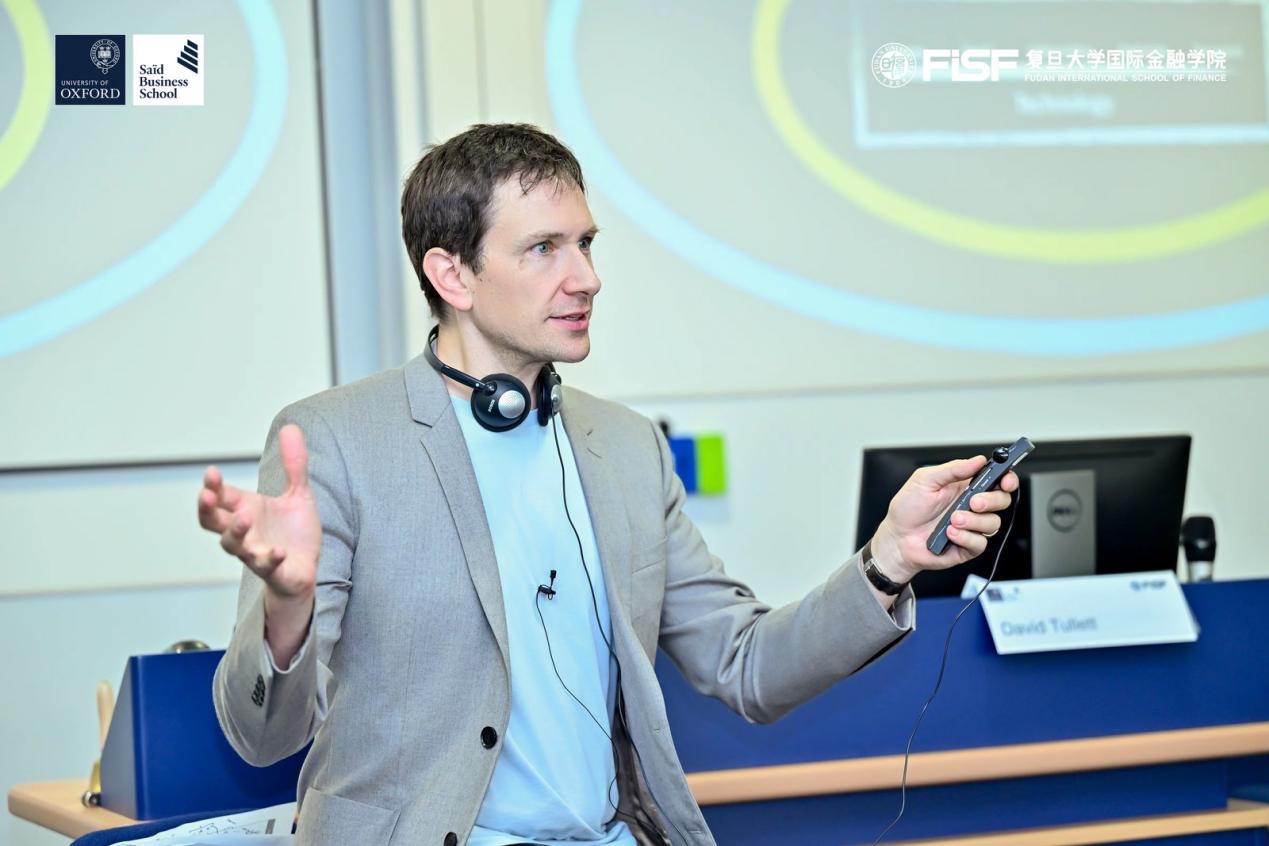
Professor Chris Kutarna
Professor Mungo Wilson, Professor of Finance at the Saïd Business School, delivered a lecture titled Global Uncertainties and the Investment Landscape, analyzing economic trends, demographic structure, debt risks and investment strategies. He compared the GDP changes of major global economies since the 1980s, revealing the core contradictions in the differentiated growth drivers of developed economies. Based on an analysis of Oxford University's investments in real estate, scientific research and perpetual assets, he suggested that enterprises should pay attention to demographic trends and debt risks, and respond to uncertainties through diversification and strategic asset allocation.
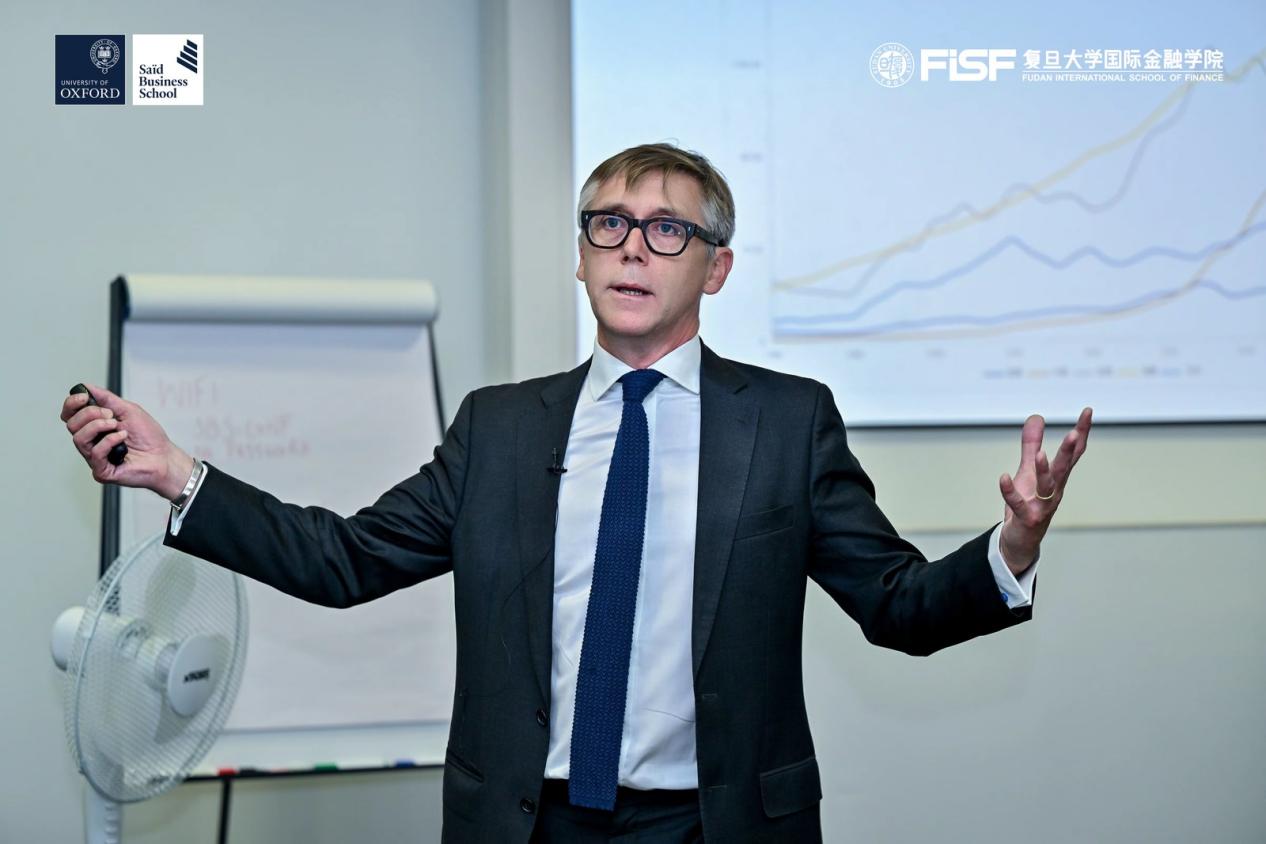
Professor Mungo Wilson
Bruno Roche, Founder of Reciprocal Economics and former Chief Economist of Mars, Inc., focused on Shared Prosperity – The Next Frontier of Value Creation, exploring how technological change drives enterprises to go beyond profit maximisation and build a more equitable and efficient Reciprocal Capitalism (Economy of Mutuality, EoM). He proposed that enterprises should balance financial capital with non-financial capitals such as human capital (employee well-being), social capital (ecological trust) and natural capital (environmental sustainability), and should not pursue short-term profits alone. He stressed the need to transform from value extractors to ecosystem creators, and achieve profitability by providing creative solutions to social and environmental pain points.
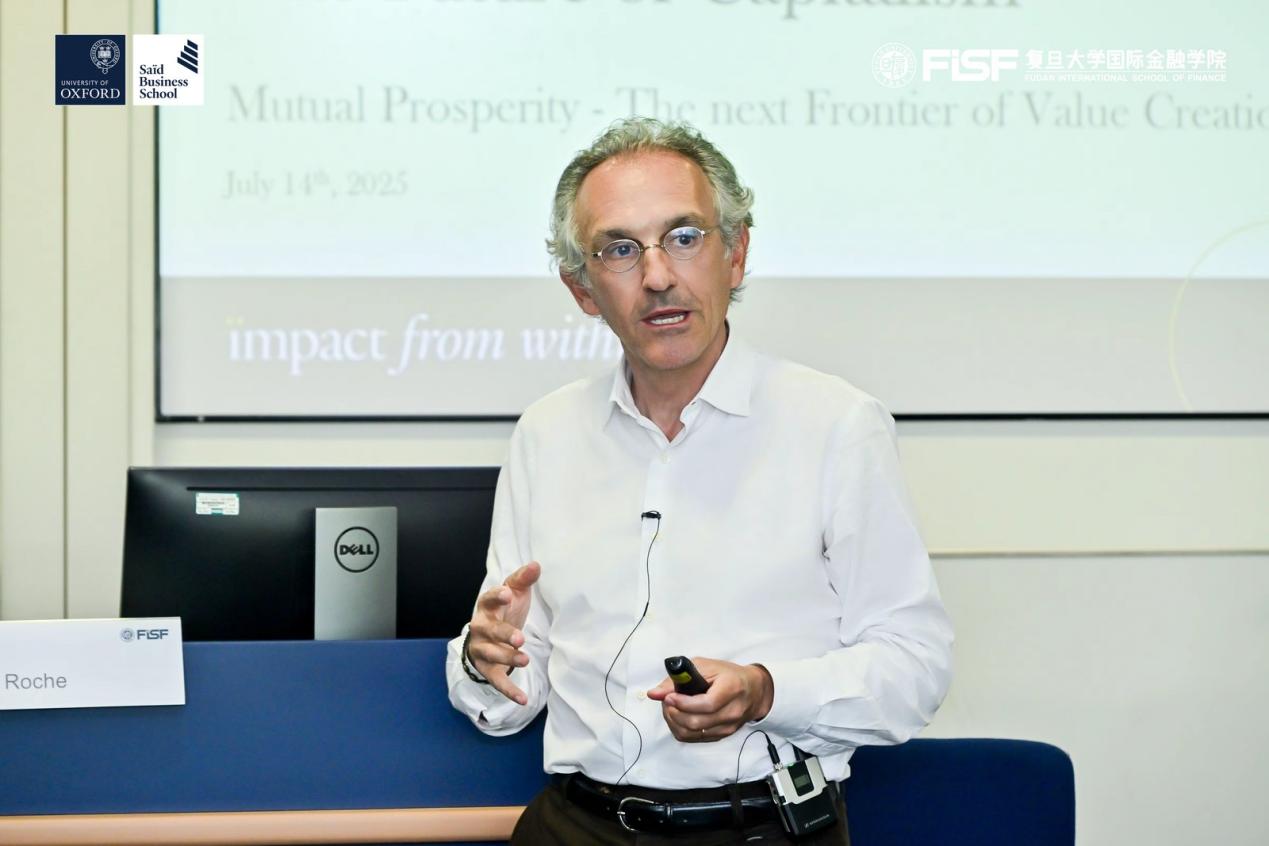
Professor Bruno Roche
Professor Alex Money, Chief Research Fellow and Resident Founder of the Smith School of Enterprise and the Environment at the University of Oxford, delivered a course titled Africa's Economy and Its Business Environment, emphasizing that Africa's opportunities lie in the overlap of population, resources and technology, but it still needs to break through structural barriers in infrastructure and financial sustainability.
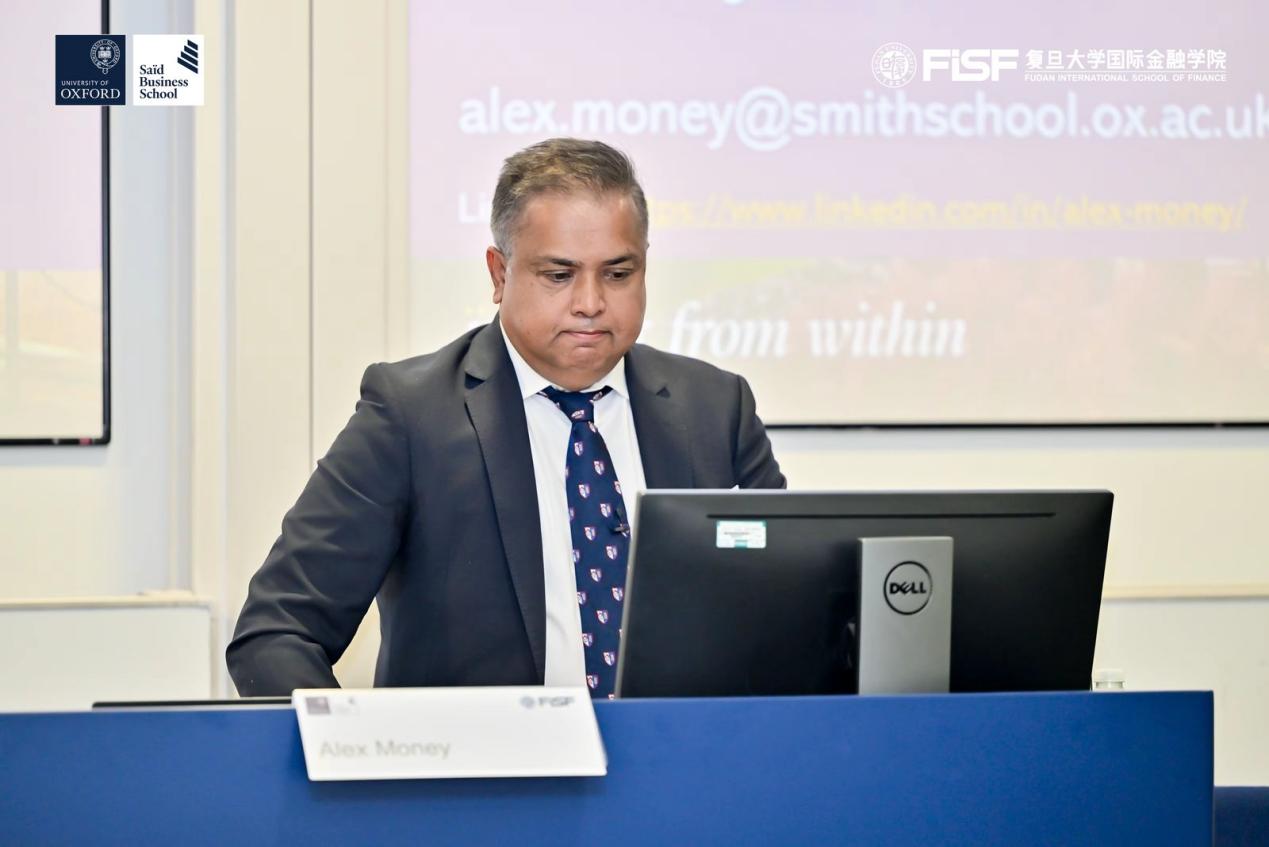
Professor Alex Money
Science and Technology
Professor Marc Ventresca, Professor of Strategic Management at the Saïd Business School, interpreted the Global Commercial Space Economy from a sociological and strategic perspective. He pointed out that the current global space economy is nearly $470 billion in size and is expected to exceed $1 trillion by 2040. This growth stems from the transformation from the "old space" (government-led) to the "new space" (business-driven), with an increasingly diverse range of participants. However, public policy and geopolitics have a profound impact on the industry. He reminded the participants that the space economy will reshape the pattern of communication, logistics and energy, and the value highlands may lie in service providers and intermediaries rather than direct technology providers – just like "the most profitable people in the gold rush were those who sold shovels".
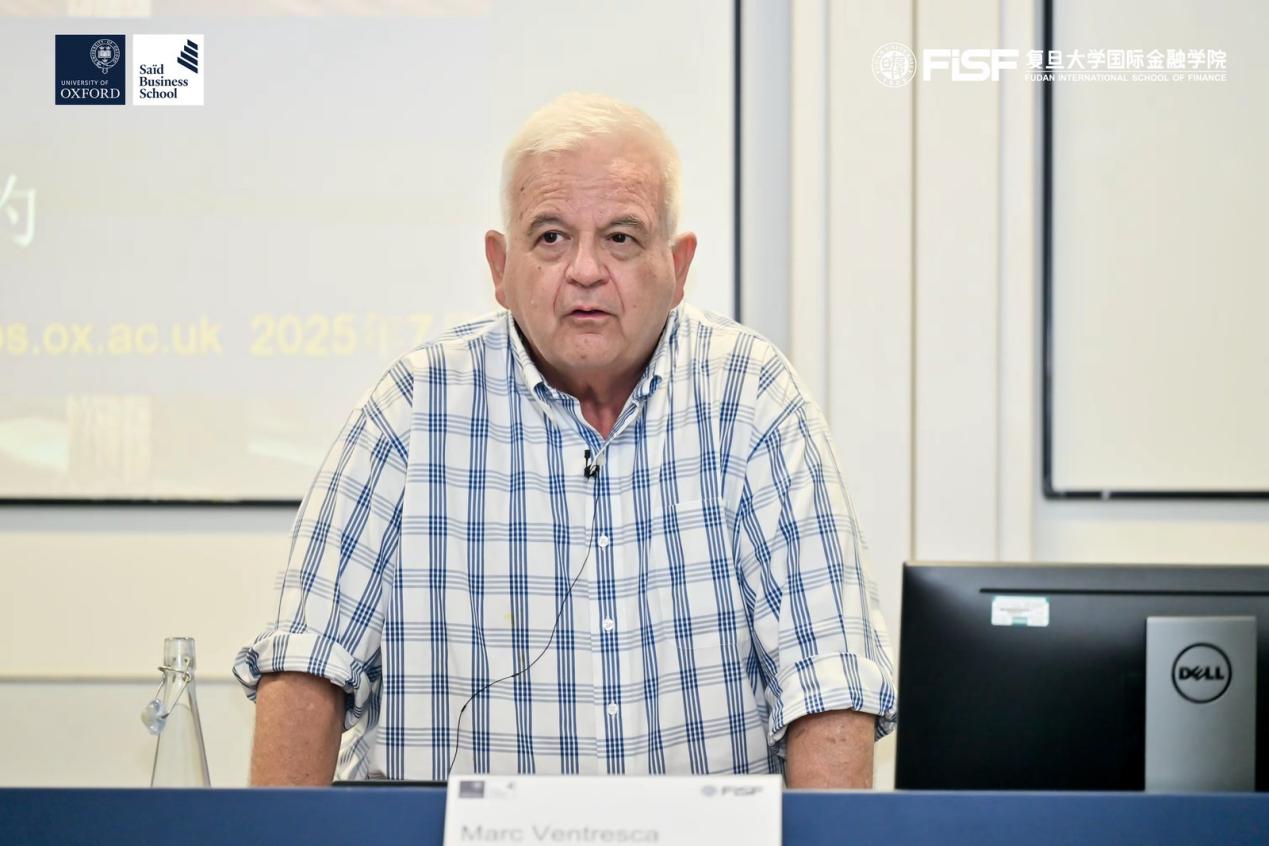
Professor Marc Ventresca
Mark Dodgson, a leading thinker on innovation, delivered a lecture on The Development of Fusion Energy, analyzing its key potential, technical challenges and the global competitive landscape, with a special focus on China's opportunities and responsibilities. He shared insights into the ITER (International Thermonuclear Experimental Reactor) project, one of the world's largest and most far-reaching international scientific research cooperation projects. As a founding member, China has deeply participated in the project. Mark Dodgson believes that China has the ability to become a global superpower in energy innovation, but it still needs to address issues such as the cultivation of start-ups, the risks of long-term investment, and the efficiency of industry-university-research collaboration. Nuclear fusion is not only an energy solution, but its derivative technologies can also drive cross-disciplinary innovation in medical lasers, robotics, new materials and other fields.
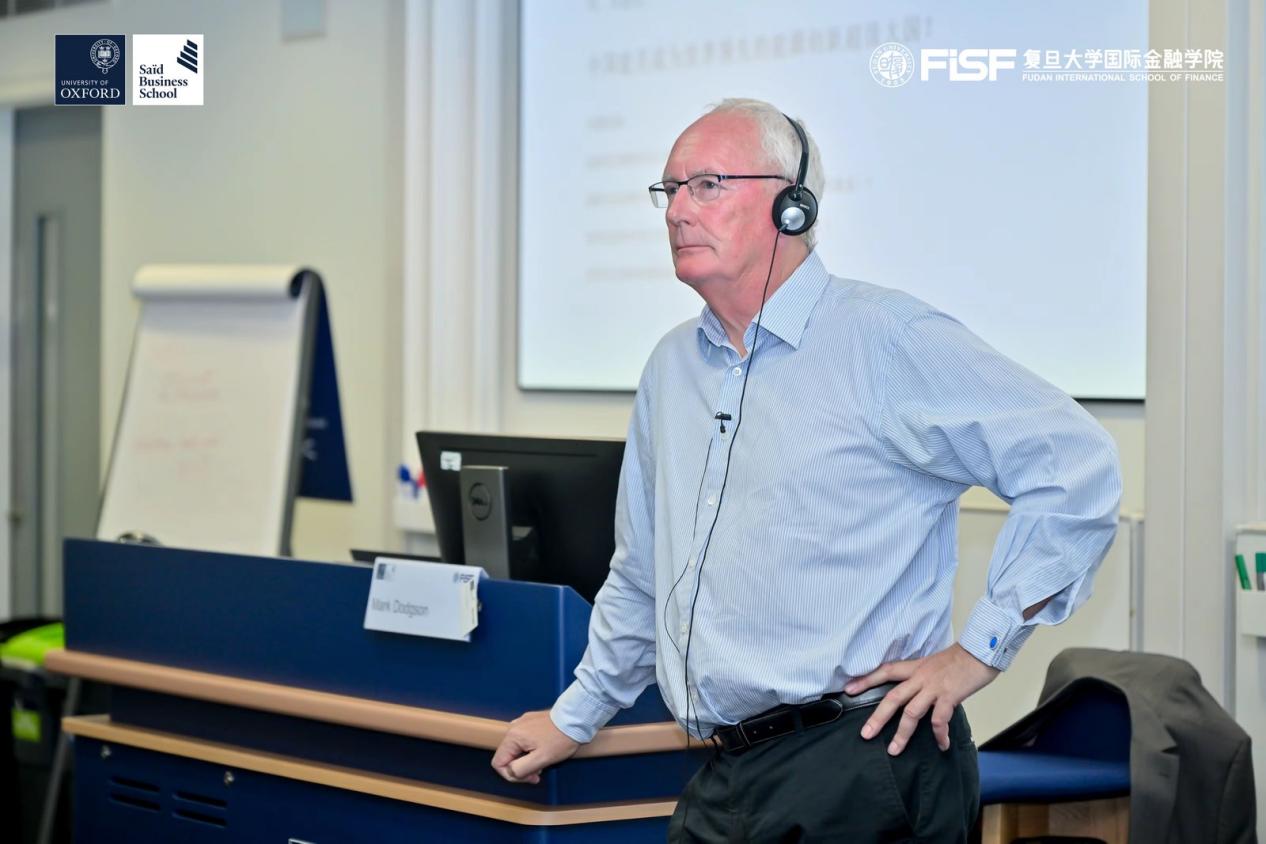
Professor Mark Dodgson
Humanistic Business Ethics
Joachim Thraen, a strategic leader in government affairs, an expert on innovation, China and geopolitics, delivered a lecture on Innovation, Uncertainty and Opportunities in a Fragmented World – Insights and Action Priorities for CEOs. He believes that China is a fertile ground for innovation, and leaders should respond to blockades through diversified layout, regional cooperation and leveraging regulatory coordination, pay attention to investment opportunities in fields such as precision medicine and AI drug discovery, seize the potential of emerging markets such as ASEAN, and balance risks and innovation with a resilient mindset.
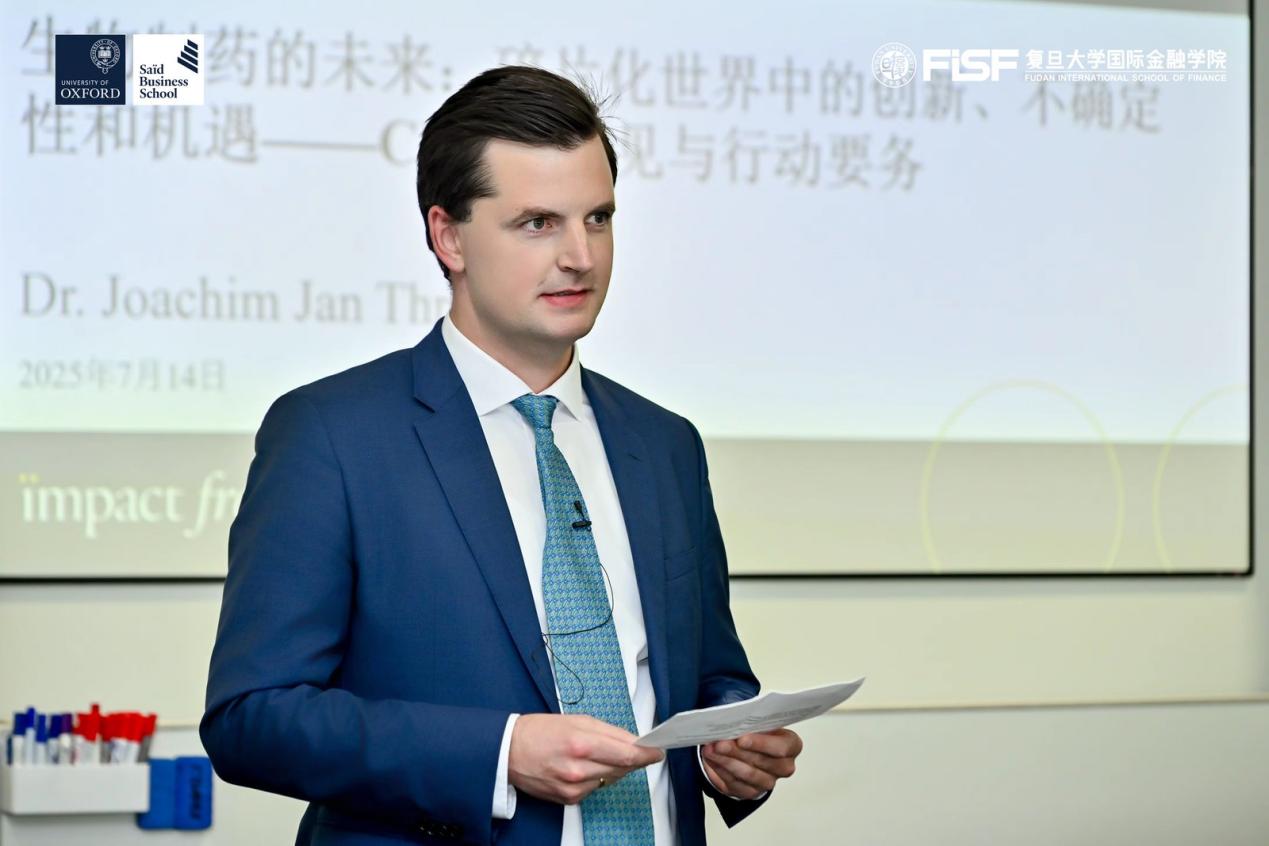
Professor Joachim Thraen
Dr. Lydia Kostopoulos, an expert on strategy, emerging technologies and innovation, and author of The Imagination Gap, delivered two courses: Imagination in the Age of Exponential Convergence and Demographics, elaborating on the intertwined challenges of technological explosion and demographic structural change. She proposed the "6D Model" (Digitalisation, Deception, Disruption, Demonetisation, Dematerialisation, Democratisation) to analyse the path of technological change. She emphasised that the characteristic of near-zero marginal cost of technology is making technological convergence (such as AI, the Internet of Things, blockchain, and gene editing) reshape business models and spawn entirely new value chains. In her second course, she stressed that demographic realities require organisations to redesign cross-generational collaboration mechanisms and balance technological efficiency with social inclusiveness.
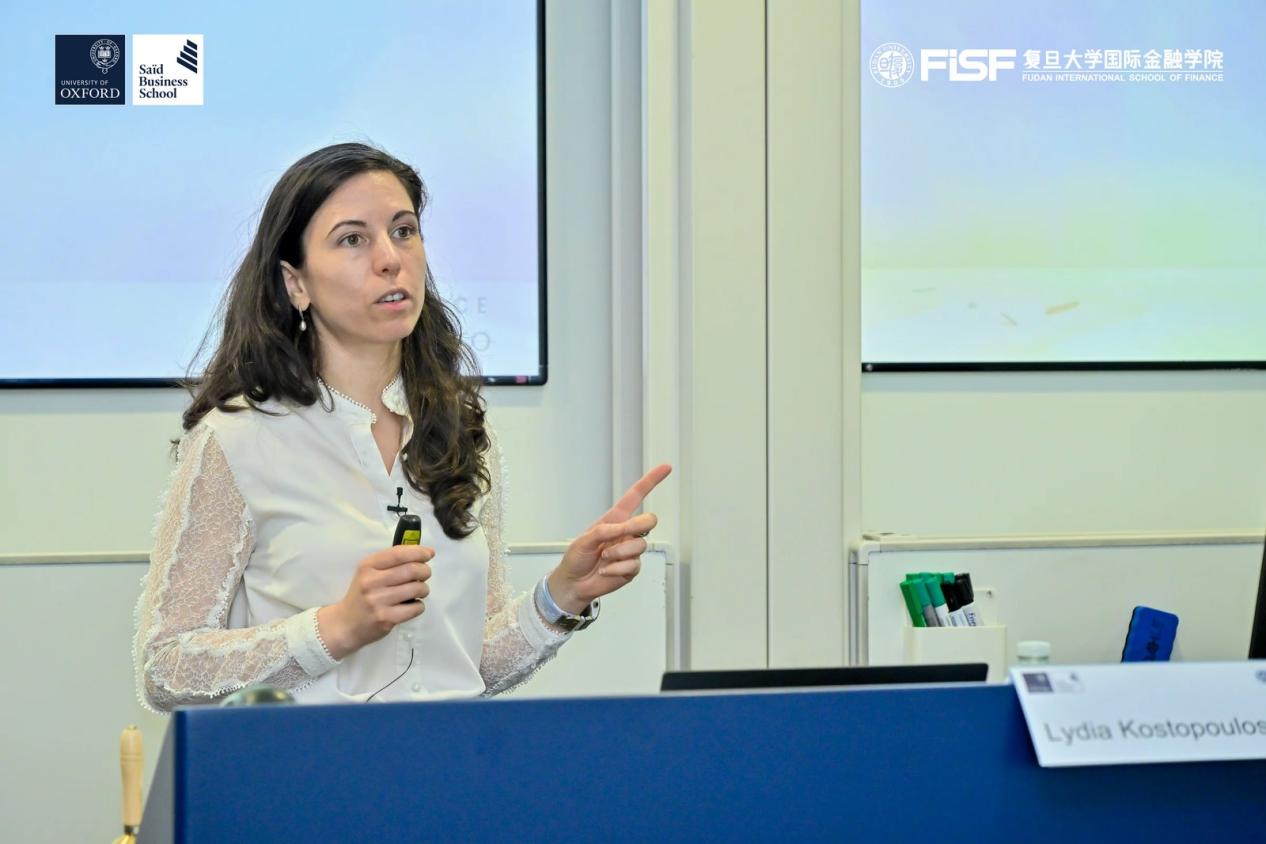
Dr. Lydia Kostopoulos
Professor Debbie Hopkins, Professor of Human Geography at Kellogg College, University of Oxford, delivered a lecture on Transformational Trends and Strategic Opportunities in the Transportation Sector, emphasizing the need to advance multi-scale coordination and equitable transformation. She proposed the "ASI Framework" (Avoid-Shift-Improve) as the core path to decarbonisation: reducing unnecessary travel, shifting to low-carbon modes, and optimizing technological upgrading. She advocated for improving the stalemate through cross-scale and multi-stakeholder coordination, such as unified global technical standards, regional policy coordination, the combination of national strategic investment and local smart infrastructure. At the same time, she warned against the uneven distribution of technological dividends and ensured that transformation balances efficiency, equity and ecological sustainability.
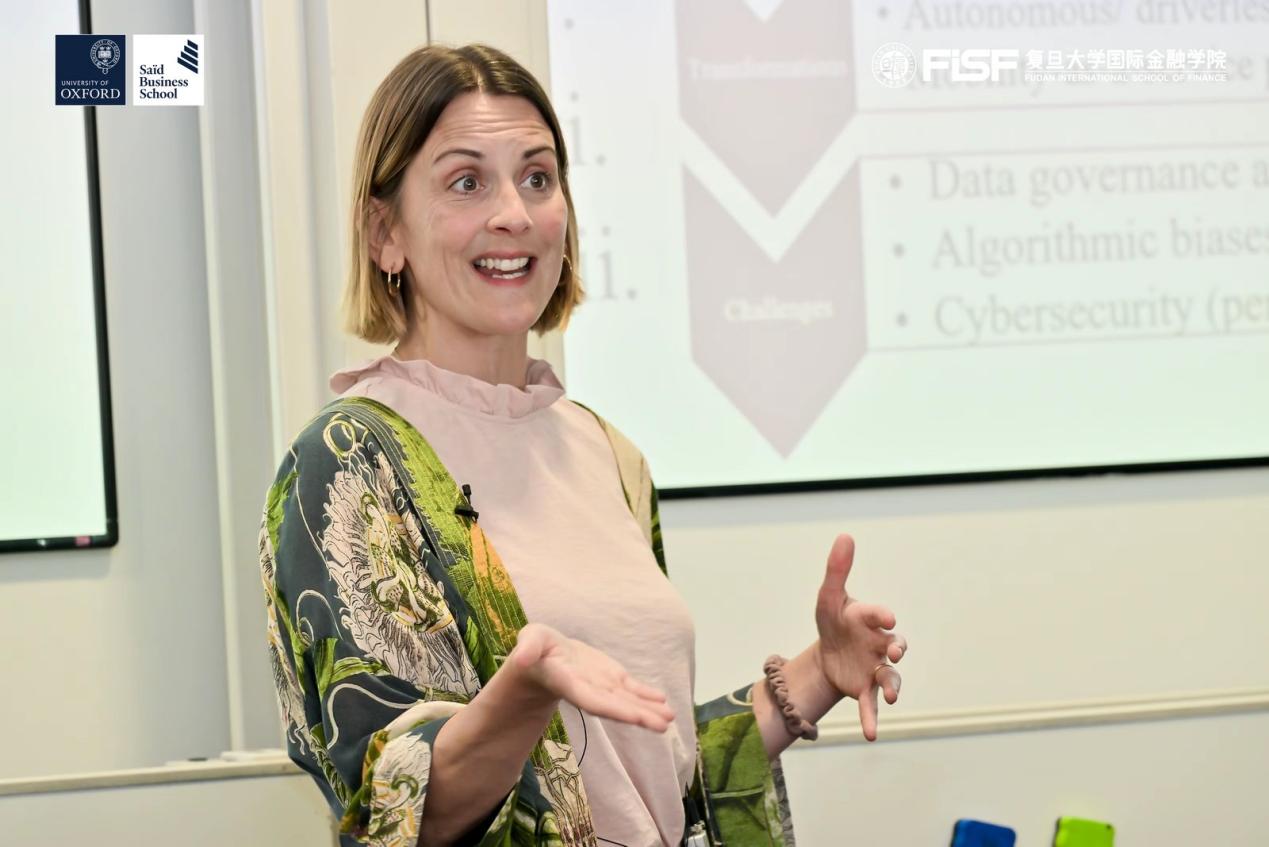
Professor Debbie Hopkin
Professor Eric Zhao (Zhao Yanfei), Associate Dean of Research and Professor of Strategy at the Saïd Business School, attended the event and had a warm exchange with the participants. He pointed out that the first educational cooperation between FISF and the Saïd Business School integrates different management concepts and business practices. The insights from scholars in multiple disciplines such as science, technology and philosophy adopted by the programme help business leaders re-examine their missions and purposes and accelerate transformation and change.
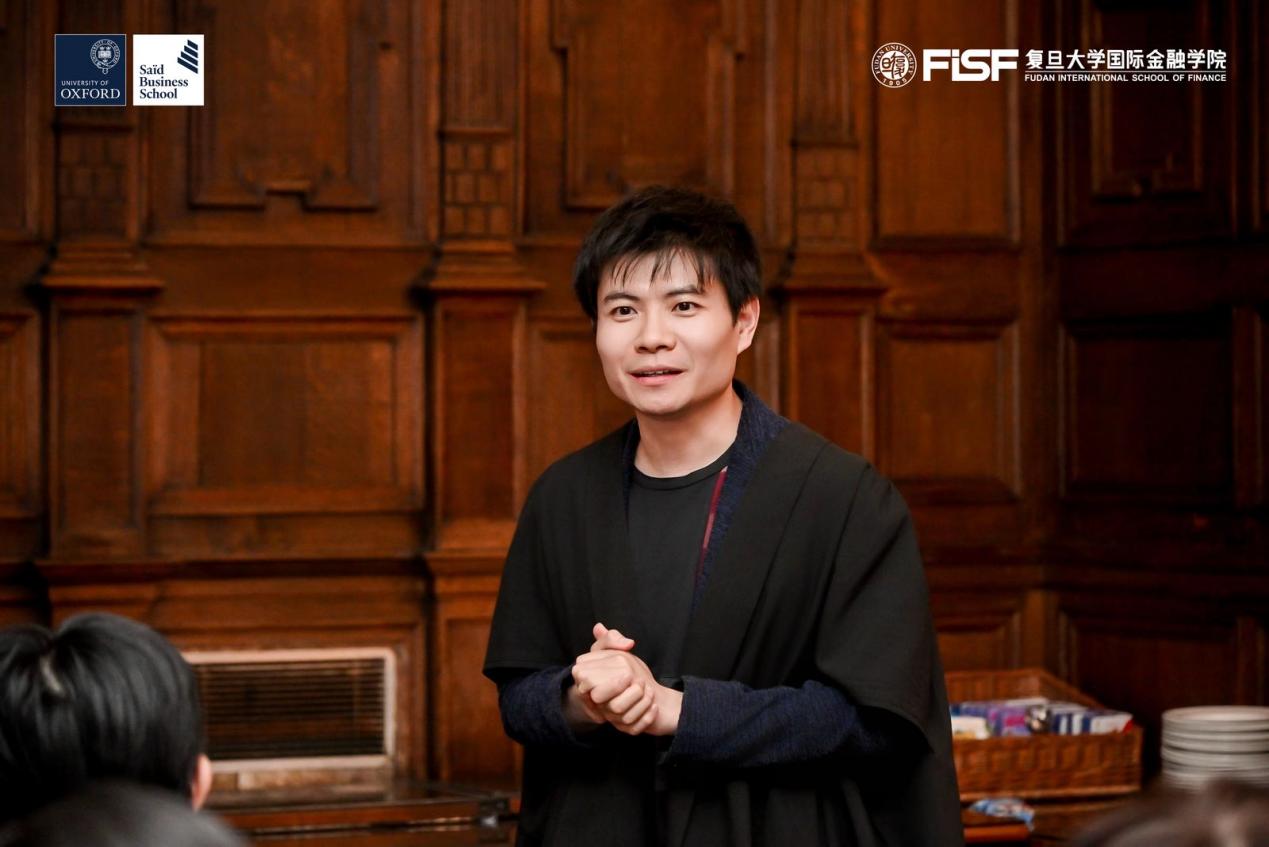
Professor Eric Zhao
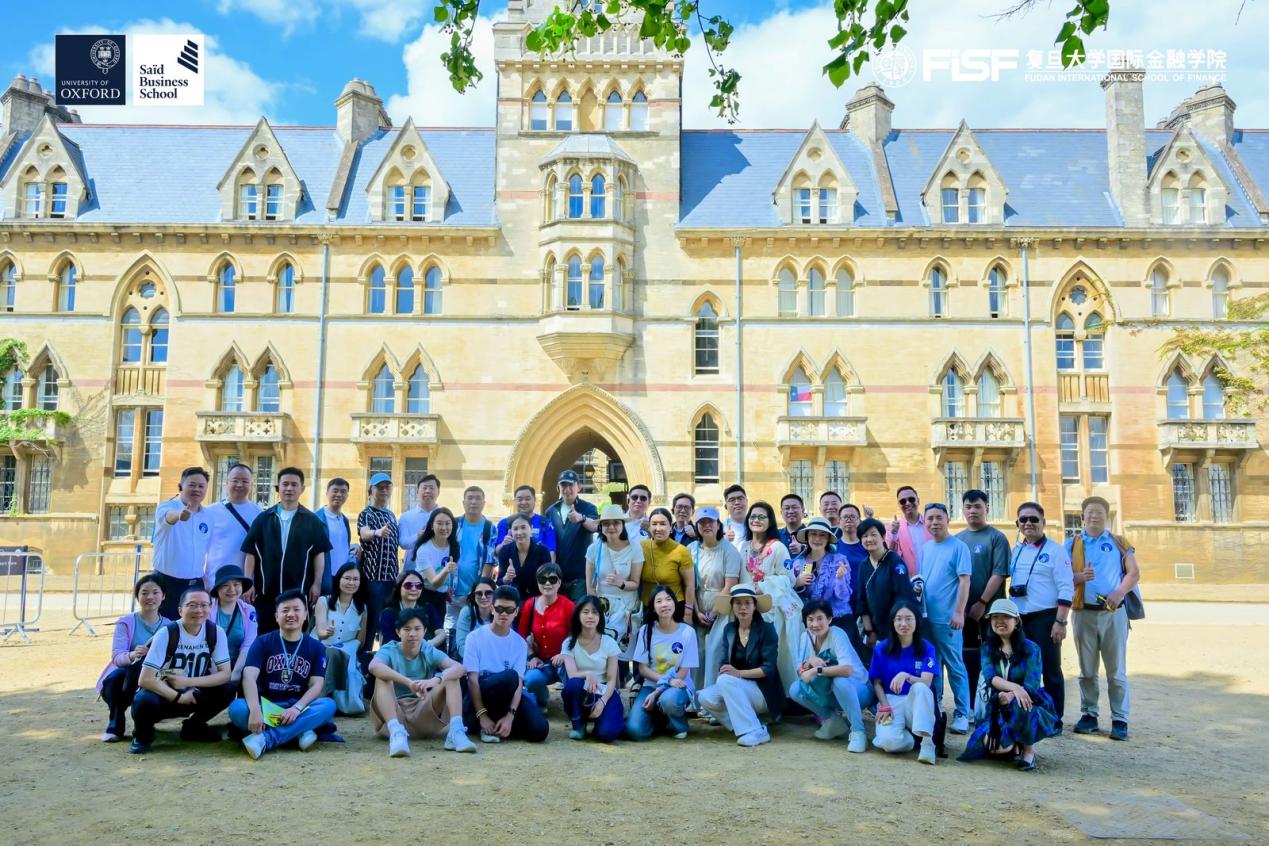
A group photo of students at Oxford University
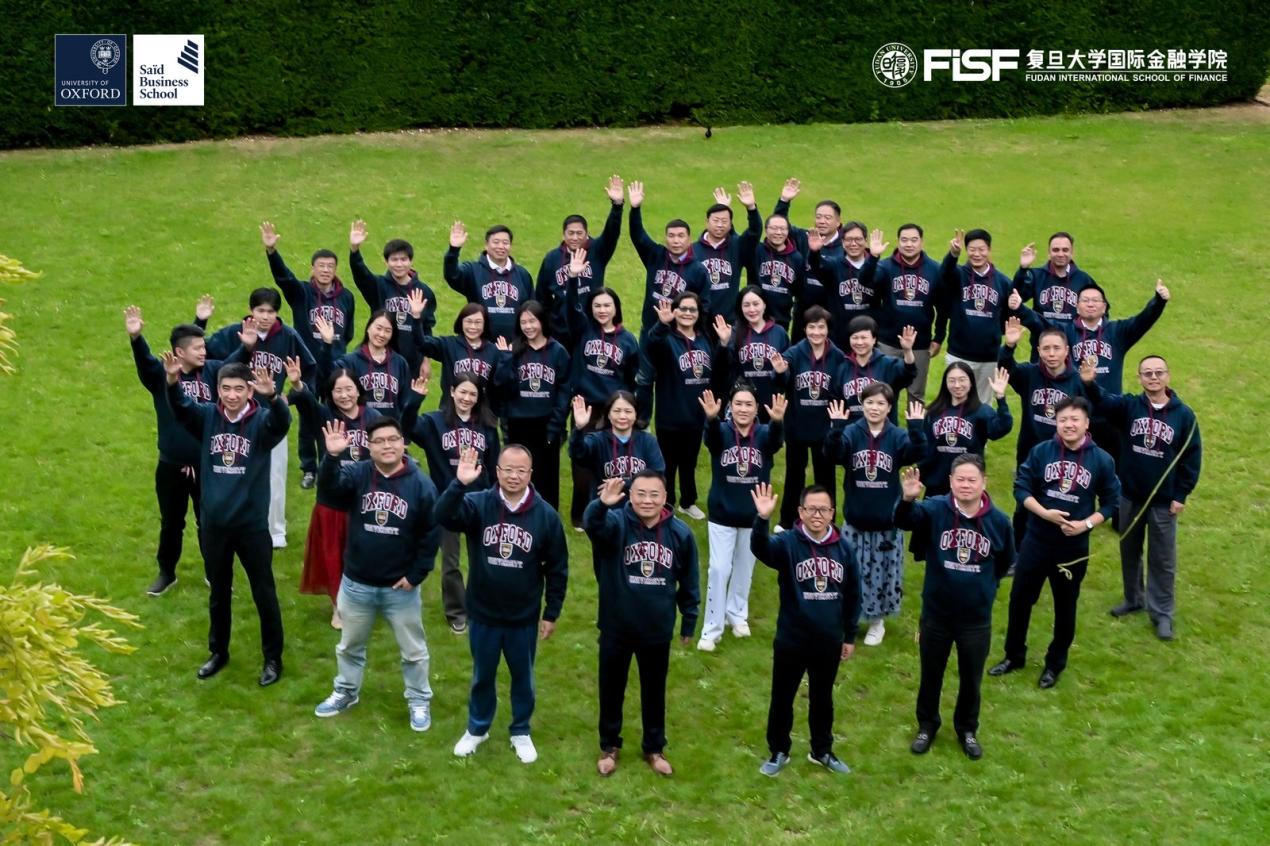
British group photo
Yunnan Module
In September 2025, the mobile classroom landed in Kunming, Yunnan. Through a diverse format of cutting-edge courses, on-site visits, cultural exploration and characteristic experiences, entrepreneurs connected finance, pharmaceuticals, AI with Yunnan's regional industries.
Professor Hong Weili, Adjunct Professor of Finance at FISF, delivered a lecture titled Risks and Opportunities in China's Entrepreneurship and Investment Market Under Great Changes. He pointed out that China's venture capital market presents a coexistence of partial "boom" and overall "slump": tracks such as AI, robotics and hard technology are booming, while the overall economy is facing deflationary pressure and insufficient effective demand. This structural contradiction mainly stems from the shortage of high-quality assets under the wave of de-globalisation. He believes that China's venture capital is currently in the "downturn phase" of the fifth cycle, with tracks narrowing to be dominated by hard technology, the proportion of RMB funds increasing and tilting towards long-term equity investment.
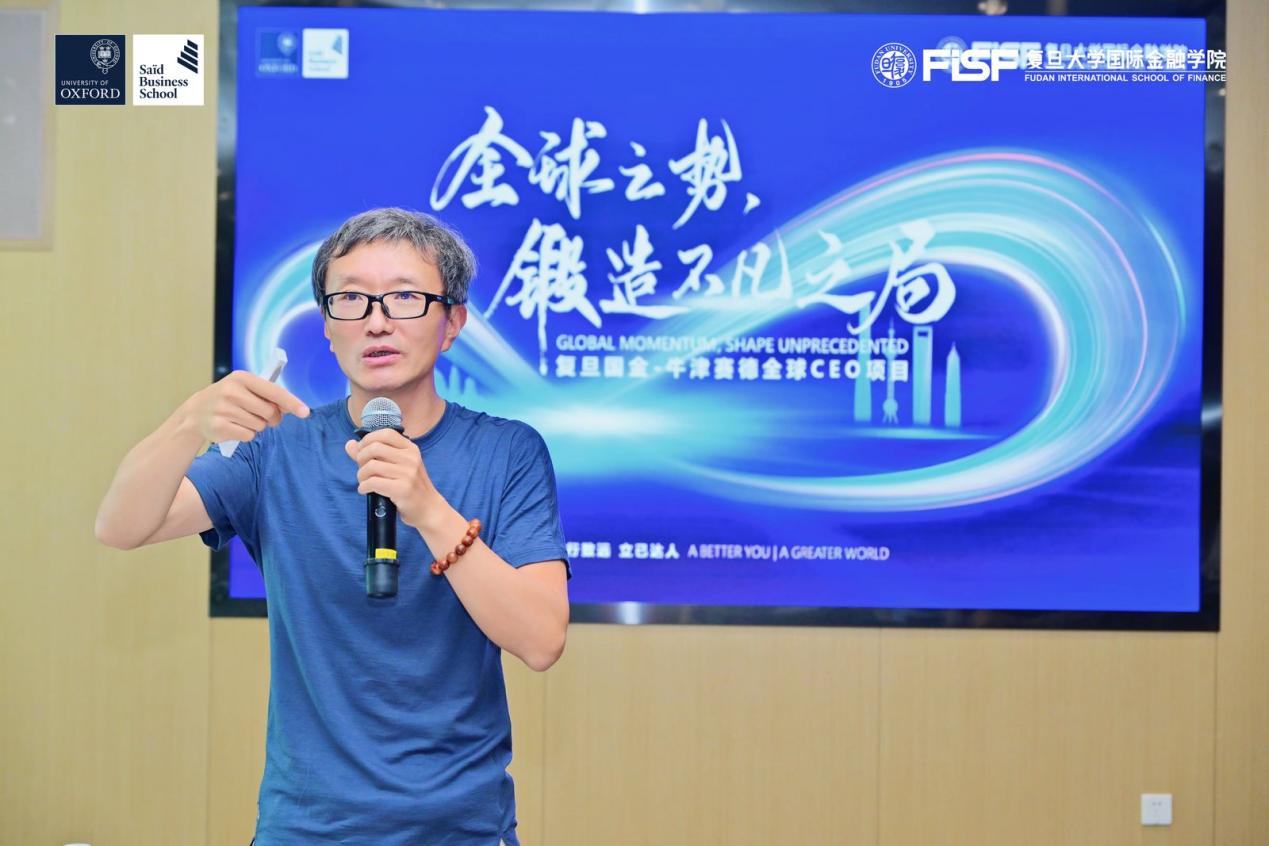
Professor Hong Weili
Wang Zhongmin, former Vice Chairman of the National Council for Social Security Fund, delivered a lecture focusing on the disruptive impact of AI on industries, assets and wealth, explaining the new models of growth logic, asset models and capital structure changes in the AI era. He emphasised that AI is subverting the traditional logic of wealth growth at an unprecedented speed. In response to the question "What kind of capital structure is needed in the AI era?", he pointed out that at the entrepreneurial level, the partnership system has evolved from the direct shareholding 1.0 form to the multi-layer nested 3.0 form; at the investment level, extensive investment in high-risk projects is expected to cover the failure of a small number of projects, and more crucially, the fundamental reform of the governance structure – ensuring team incentives and control through weighted voting rights – is the core institutional guarantee for the rapid growth of enterprises in the AI era.
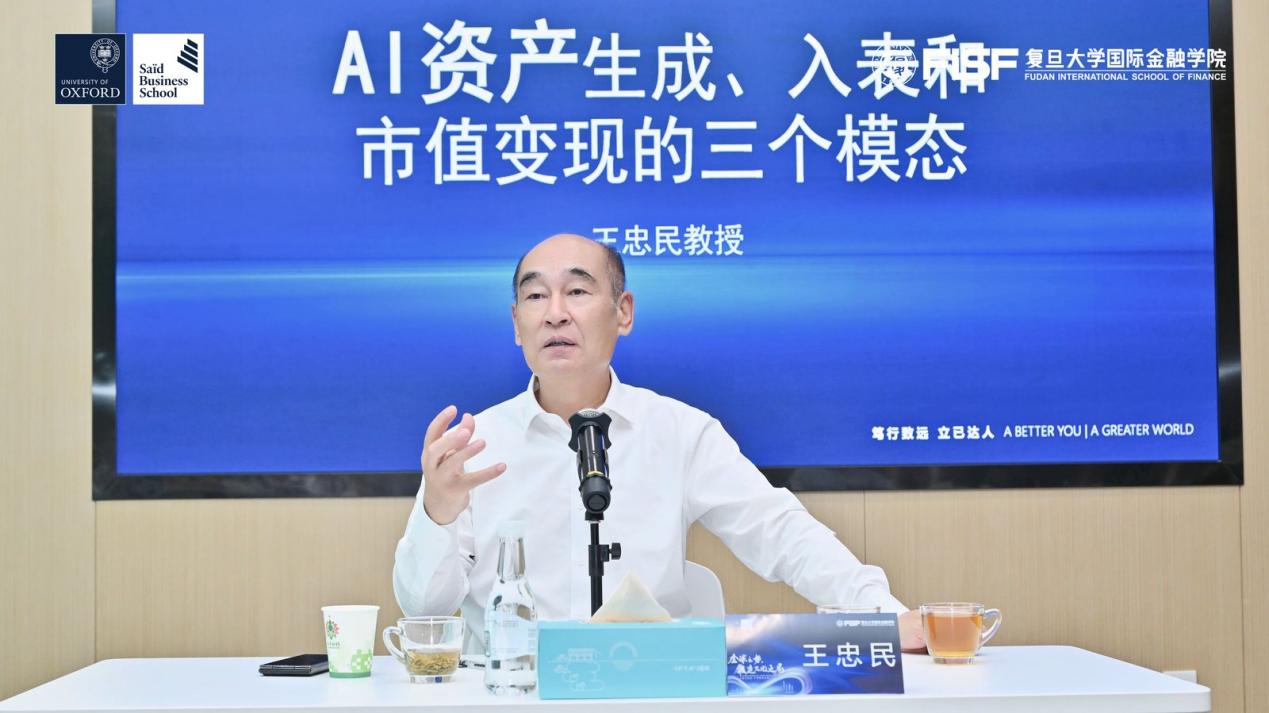
Professor Wang Zhongmin
Professor Qian Jun, Executive Dean and Professor of Finance at FISF, based on theoretical and empirical research and first-hand insights from participating in policy discussions, pointed out that "stabilizing expectations and boosting confidence" is the core of financial optimisation and economic recovery.
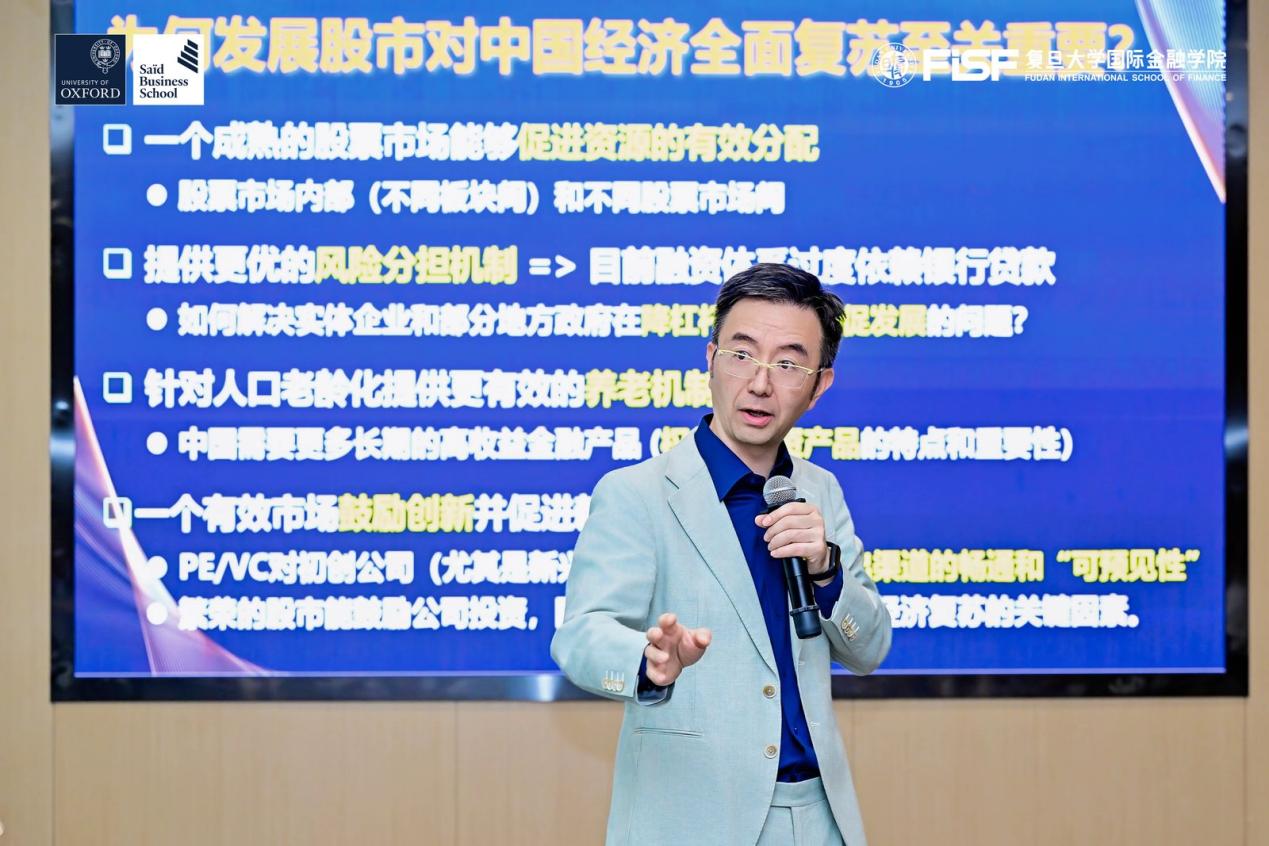
Professor Qian Jun
Li Shaochun, General Manager of Yunnan Baiyao Group Digital Intelligence Technology Co., Ltd., systematically elaborated on the profound impact of AI technology on the transformation and upgrading of enterprises, and analysed the practical paths and key methods for enterprises to promote digital and intelligent transformation with in-depth case studies.
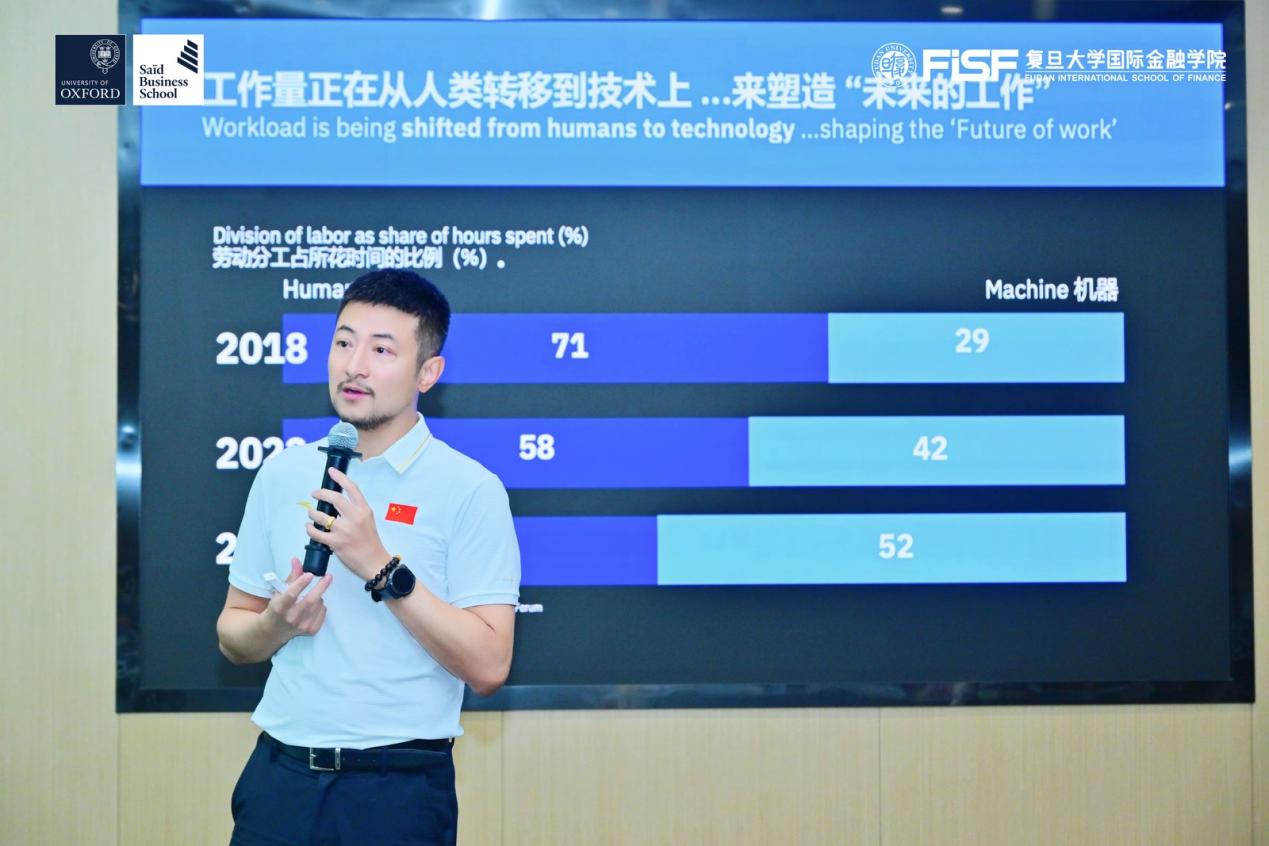
Li Shaochun, Yunnan Baiyao Group Co., Ltd.
Middle East Module
In November 2025, the Middle East Module was held in the United Arab Emirates (UAE), a pivotal point of the Silk Road, which provided an important window for the participants to gain insights into the development of the Middle East.
Professor Dr. Nasr from the University of Sharjah detailed the UAE's preferential investment policies; Professor Ilhan Ozturk delivered a lecture on Overview of the UAE's Political Economy; and Dr. Yazid Abubakar Abdullahi gave a lecture on Government and Innovation, introducing the UAE's national governance and macroeconomic strategies, as well as the construction of a digital government and the technological innovation ecosystem. The UAE's superior business environment and clear development layout gave the participants a comprehensive understanding of the Middle East market.
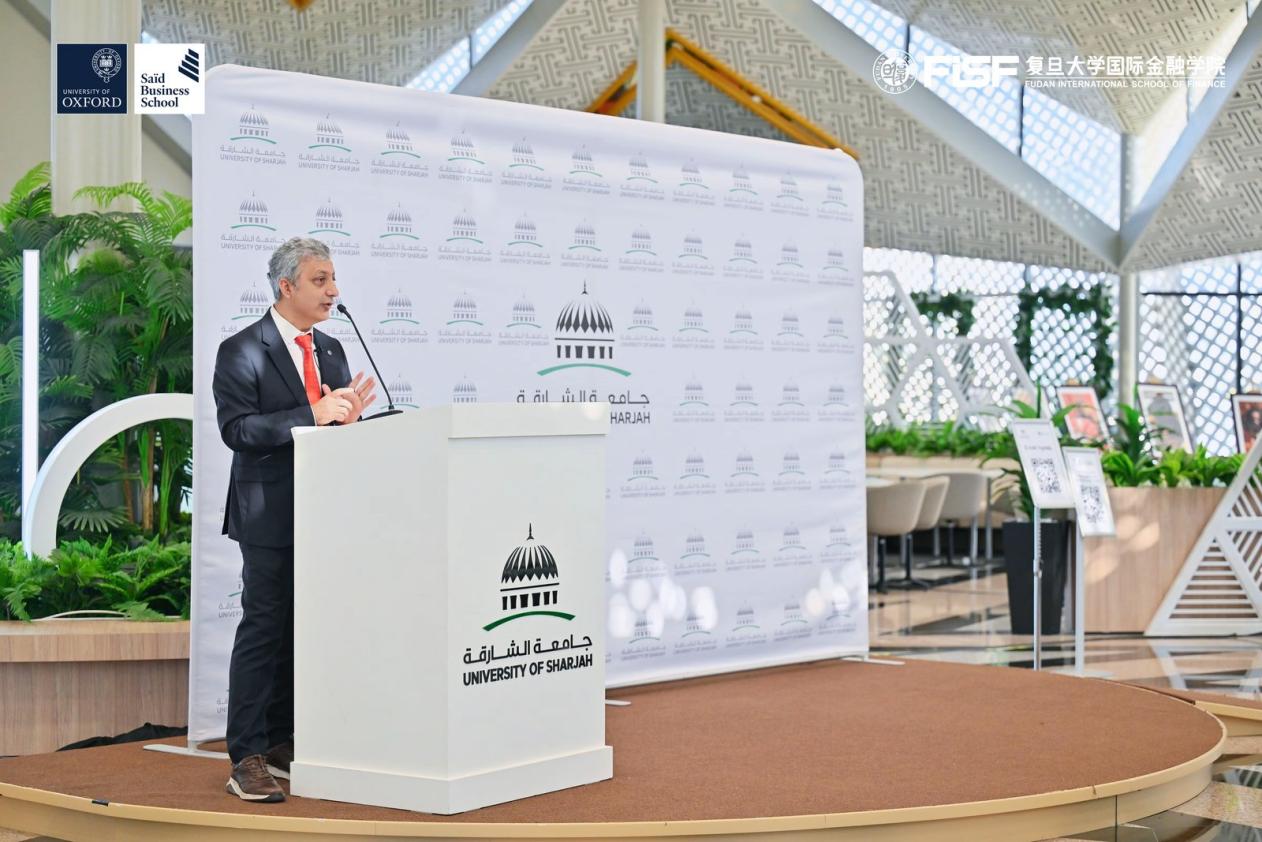
Dr. Nasr Mohamed AL Hessen
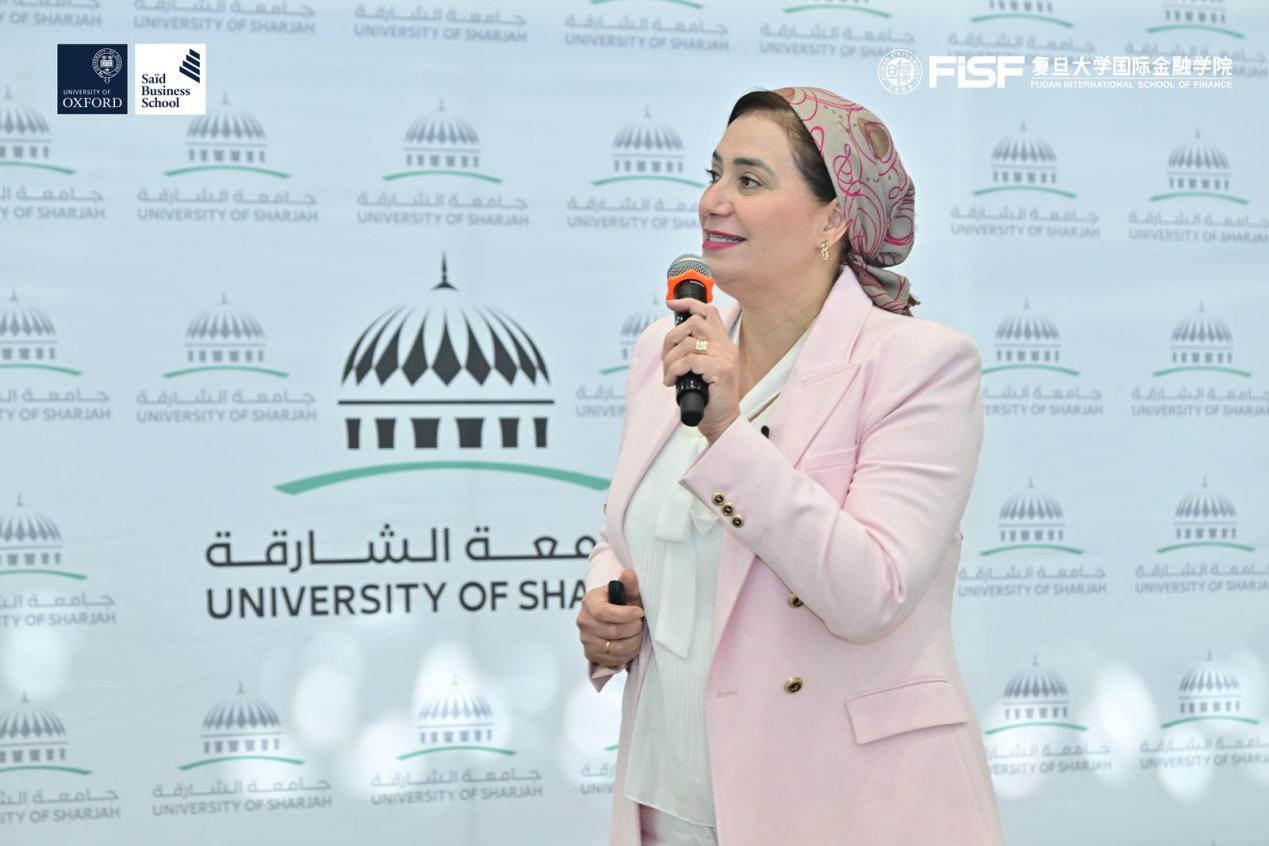
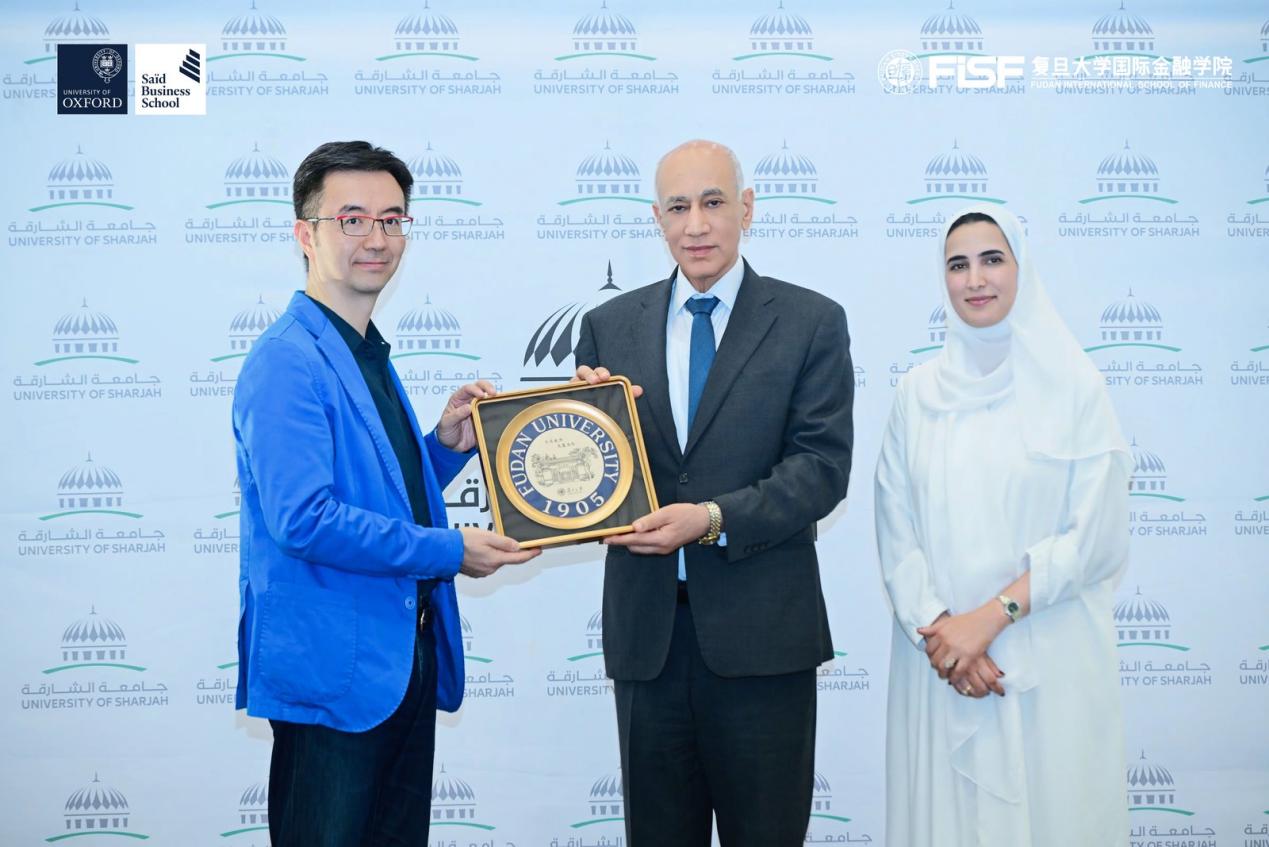
President Qian Jun、Prof. Ilhan Ozturk、Dr. Yazid Abubakar Abdullahi
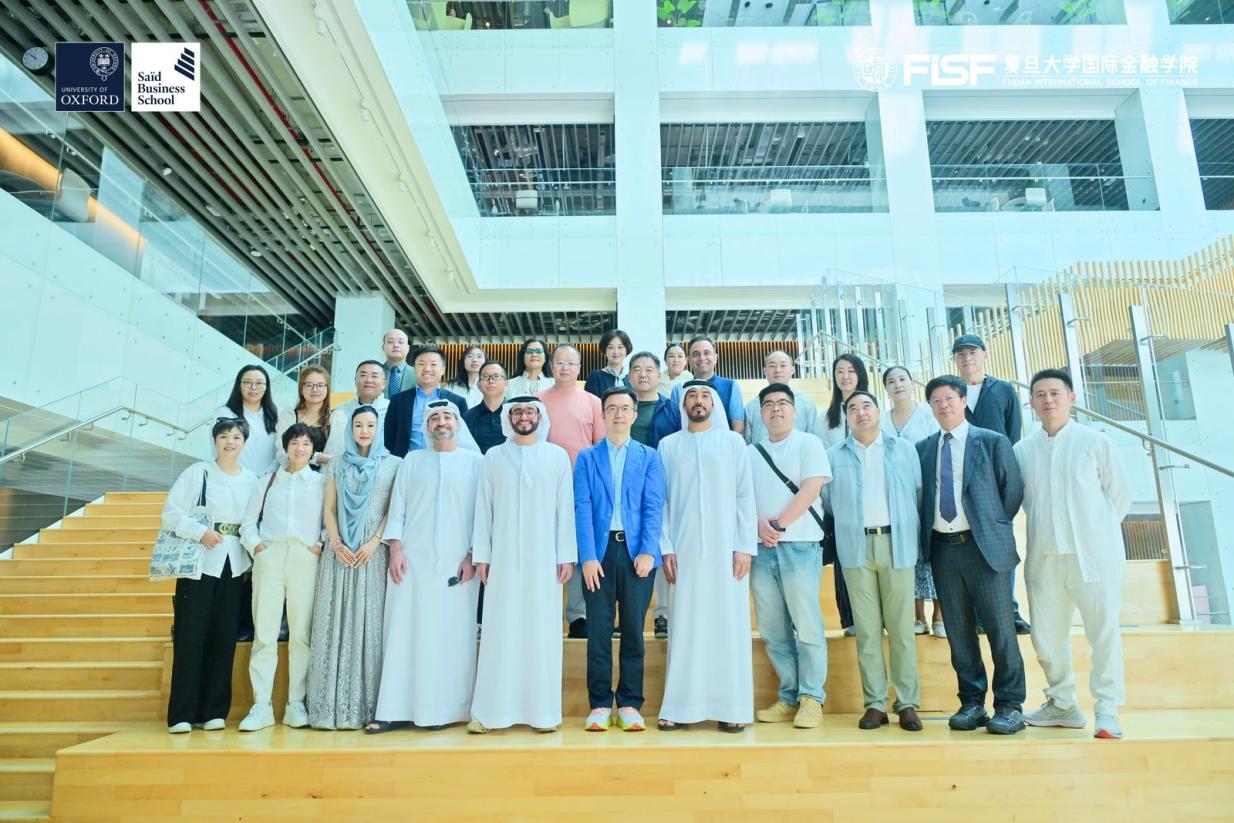
Group photo of students during the UAE module
Greater Bay Area Module
In January 2026, the participants traveled to the Guangdong-Hong Kong-Macao Greater Bay Area. Pu Yonghao, Vice Chairman of the Hong Kong Association of China Finance and former Chief Investment Officer for Asia Pacific at UBS, taught the methods and application of global asset allocation, as well as cross-cycle thinking and risk response strategies in the "era of wealth destruction".
Li Weibo, Senior Director of Barings, analysed the investment trends in the Asia-Pacific asset management market, pointing out that asset allocation is shifting towards cross-regional and multi-asset layout.
Yang Jing, Senior Partner of Dentons (Shenzhen) Law Firm, analysed the applicable scenarios of various wealth inheritance tools with practical cases.
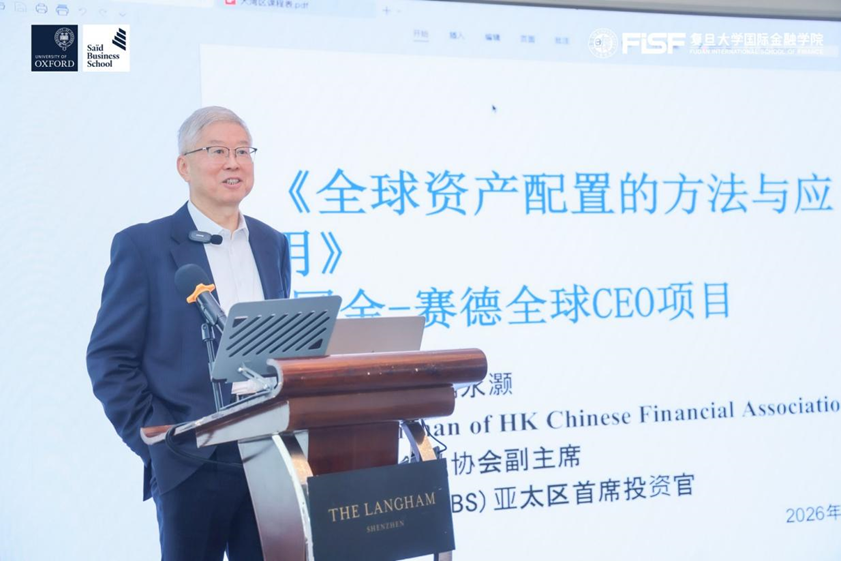
Professor Pu Yonghao
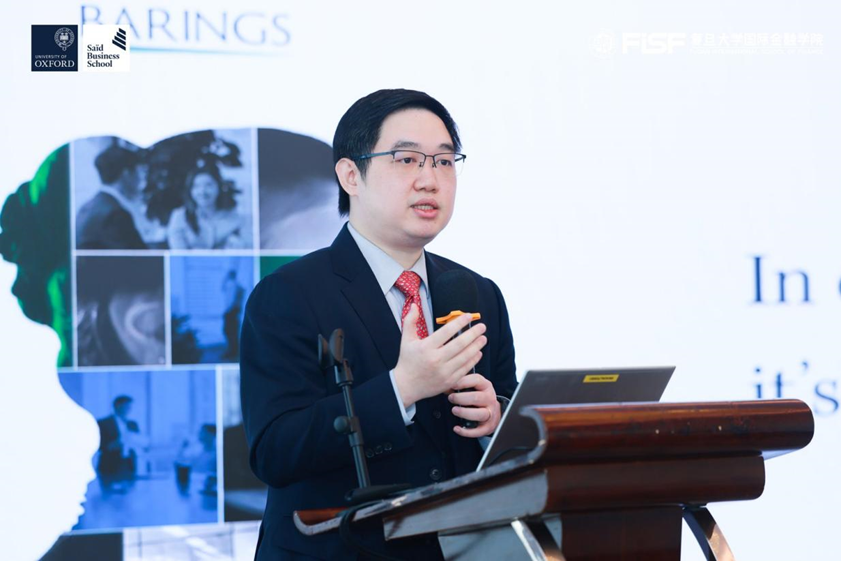
Director Li Weibo
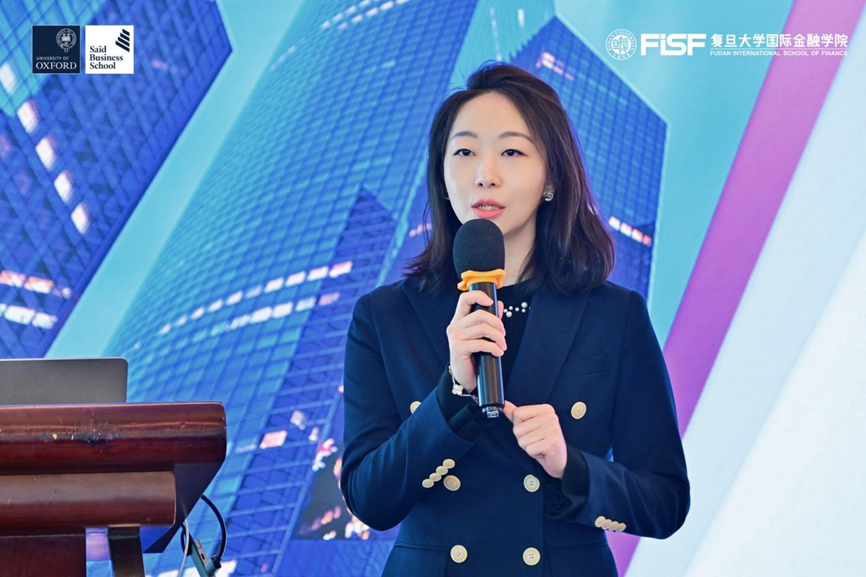
Attorney Yang Jing
Since the opening of the programme, under the joint guidance of FISF and the Saïd Business School of the University of Oxford, the participants of the inaugural cohort have continuously expanded their strategic vision and deepened their systematic understanding of the global economy, industrial transformation and corporate governance by relying on the world-class curriculum system and diversified practical modules. Up to now, the programme has successfully completed a number of core learning modules including the Opening Module, Hong Kong Module, 120th Anniversary Module, UK Module, Yunnan Module, Middle East Module and Greater Bay Area Module, forming a learning landscape that connects China and the world and integrates theory and practice.





 86-21-63895588
 Handan Campus: Building B, No.579 Guoquan Road, Yangpu District, Shanghai 200010