[Live Review] Reset: Reconfiguring Consumption, Industry, and Capital | Fudan Financial Public Course
Release time:2026-06-01
Original FISF MARCOM May 31st 2026 18:30 Shanghai
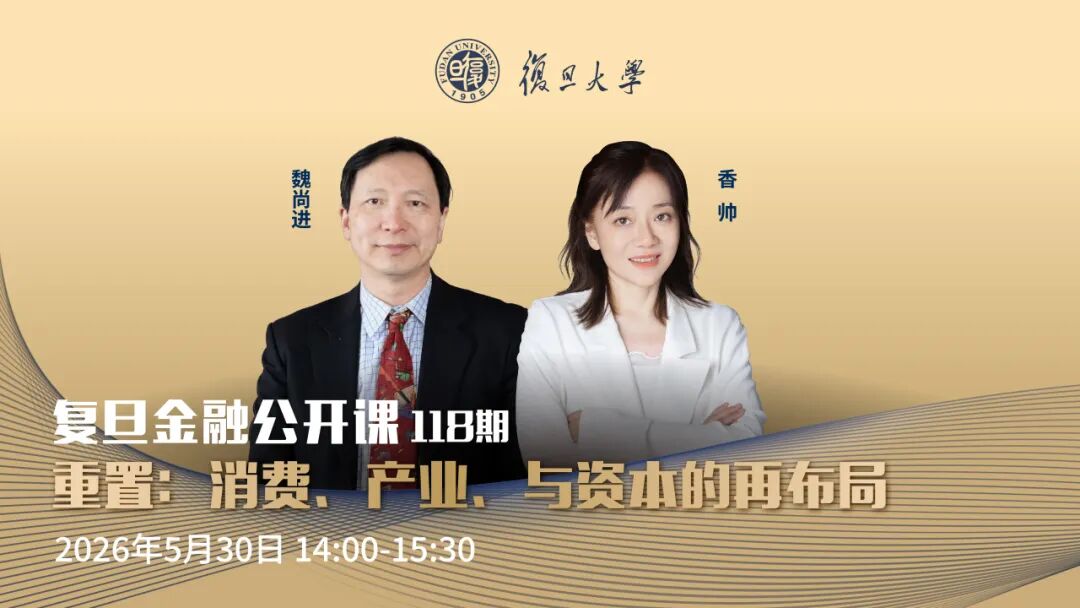
Shang-Jin Wei Shuai Xiang
Fudan Financial Public Course Session 118
Reset: Reconfiguring Consumption, Industry, and Capital
May 30th 2026 14:00-15:30
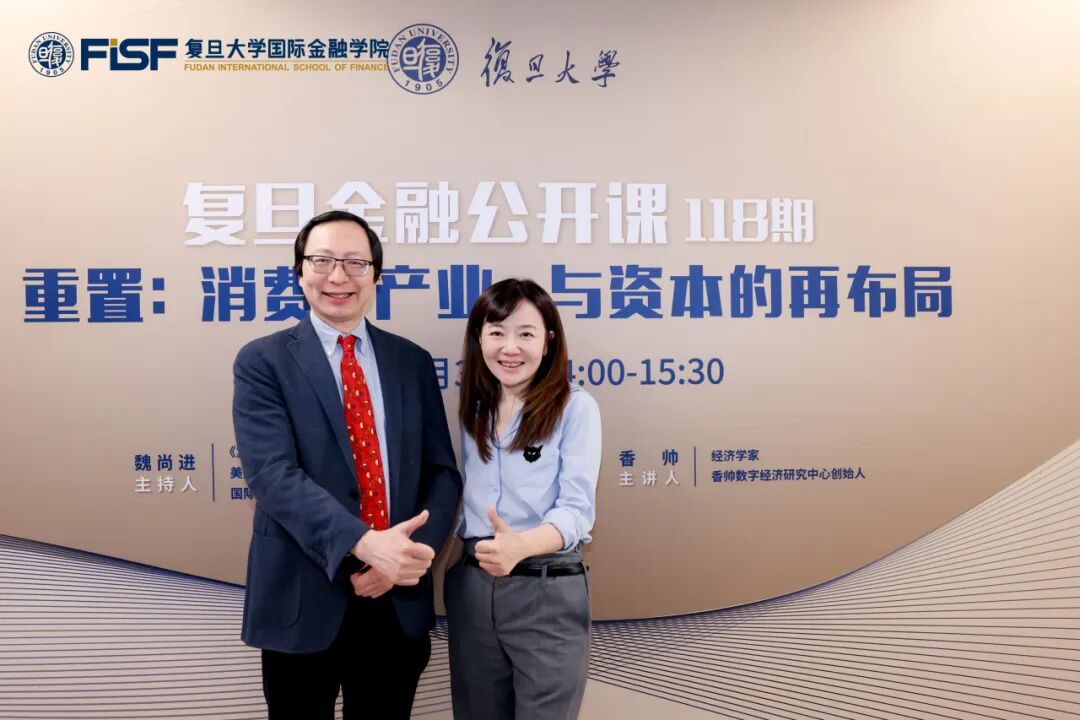
On the afternoon of May 30th 2026, the 118th session of Fudan Financial Public Course was grandly held. Under the theme of “Reset: Reconfiguring Consumption, Industry, and Capital”, the course focused on the intersection of macroeconomics and micro-markets, offering in-depth discussions on frontier insights into evolving consumption trends, pathways of industrial upgrading, and capital allocation strategies. Shang-Jin Wei, Editor-in-Chief of Fudan Financial Review and Tenured Chair Professor at at the School of Business and School of International and Public Affairs, Columbia University, served as the moderator; and the keynote speaker was Shuai Xiang, Economist and Founder of Xiangshuai Digital Economy Research Center.
Moderator
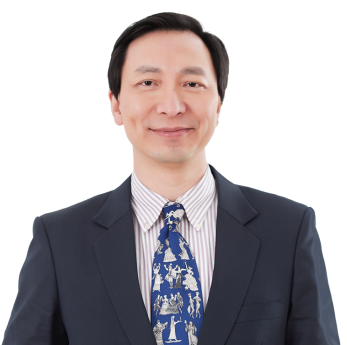
Shang-Jin Wei
Editor-in-Chief of Fudan Financial Review
Tenured Chair Professor at at the School of Business and School of International and Public Affairs, Columbia University
Keynote Speaker

Shuai Xiang
Economist
Founder of Xiangshuai Digital Economy Research Center
Industrial reset behind the structural bull market and export strength
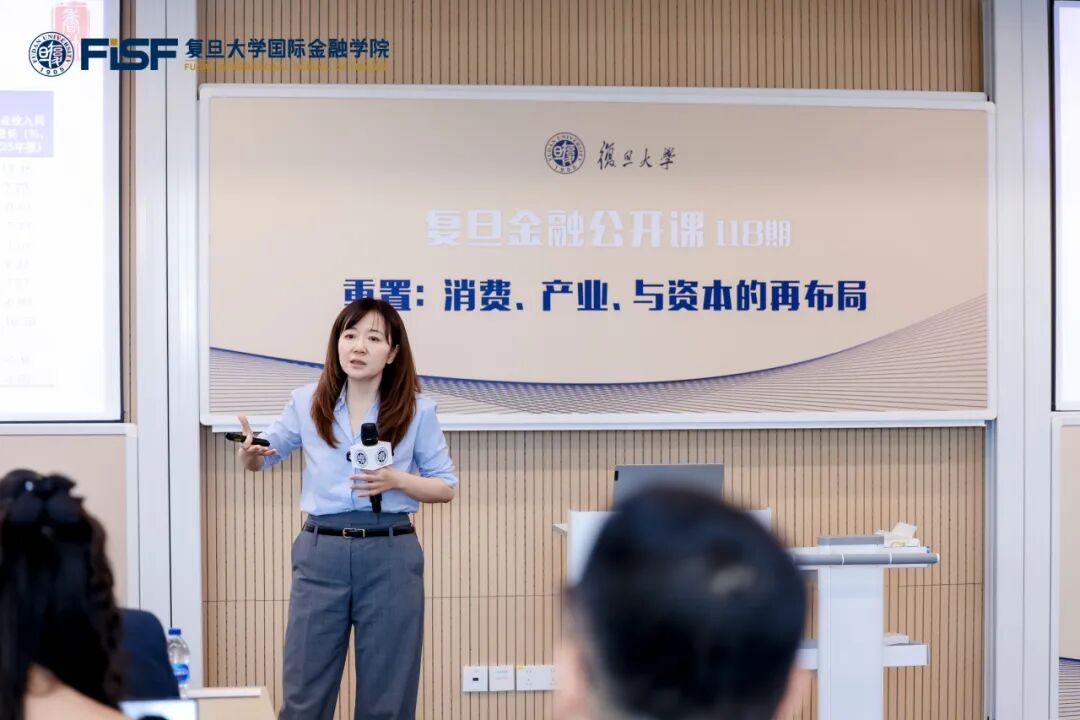
Starting from the structural divergence in the market in recent years, Shuai Xiang noted that the A-share market currently shows a clear pattern of divergence: technology sectors represented by the AI industry chain and semiconductors have continued to strengthen, while traditional consumer sectors such as liquor, hotel and catering have performed relatively steadily. She analyzed that there is a high degree of correlation between structural market rally and export growth. Over the past five and even ten years, China’s fastest-growing export categories have highly overlapped with the industry sectors that have led market gains over the past two years.
The “Going Global 30 Index” constructed by Shuai Xiang’s team in 2024 significantly outperformed the broader market that year, reflecting that enterprises with outstanding overseas business performance have gained higher recognition in the capital market. She also pointed out that China’s export structure is undergoing profound changes, with intermediate goods now accounting for more than half of exports, which to a certain extent reflects the upgrading of China’s position in the industrial chain and the deepening reliance of the global market on Chinese manufacturing.

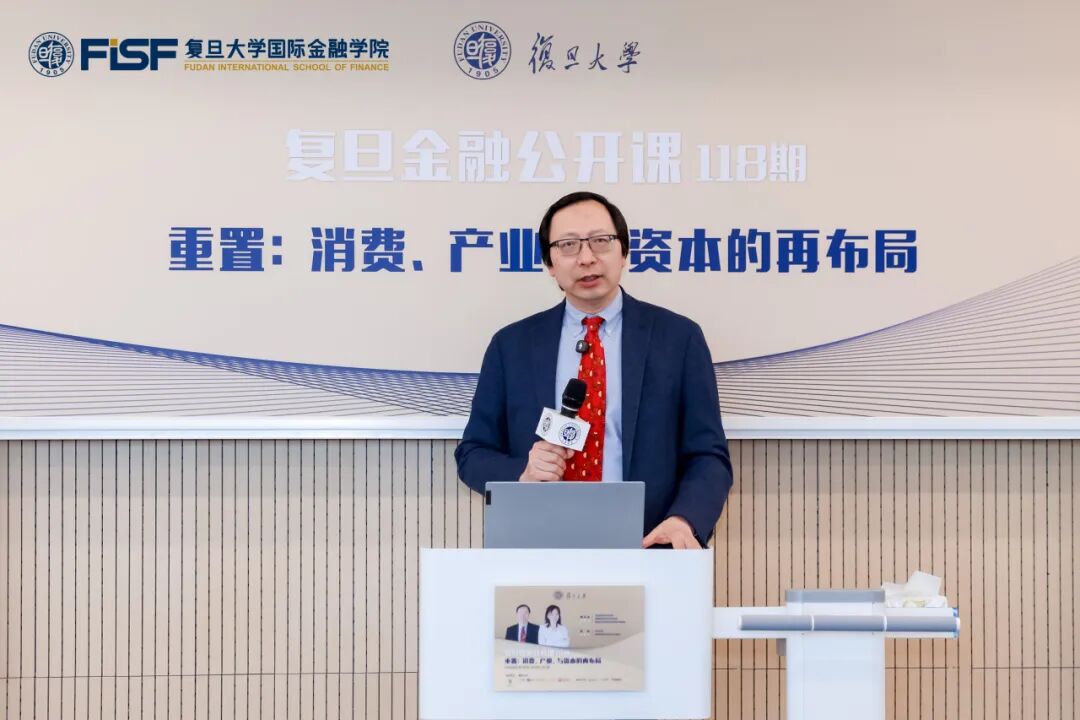
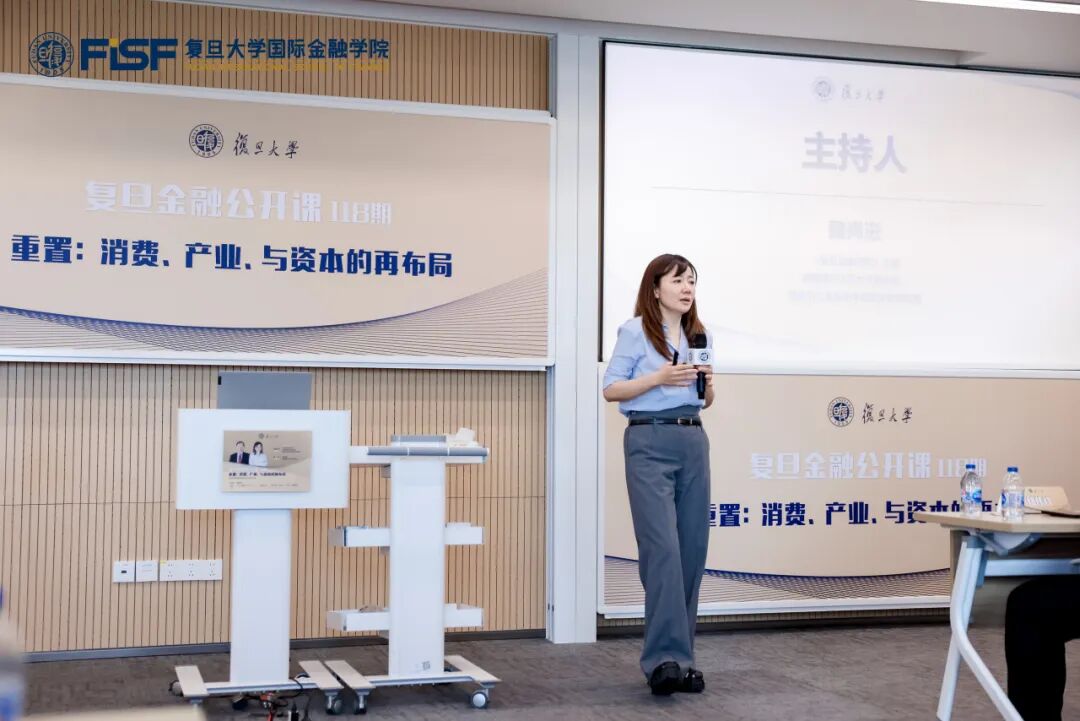
Industrial reset behind the structural bull market and export strength
In the consumer sector, Xiang observed that the consumer market has exhibited significant structural changes so far, with a number of emerging consumer brands performing remarkably well in contrast to traditional brands. She summarized the driving force behind this phenomenon as a generational shift in consumer values: from “materialist values” to “post-materialist values”. In the era dominated by materialist values, consumers placed greater emphasis on product quality and durability; while under post-materialist values, the younger generation is more willing to pay for aesthetics, emotional value, and self-identity. “It’s not about what you think; it’s about what I think.” has become the new consumer logic.
She believed that under such trends, brand building needs to shift from traditional logic toward more refined demand discovery. She proposed the concepts of “micro-scenarios” and “niche-consensus”, suggesting that enterprises should capture the real needs of young consumers in specific segmented scenarios, achieve rapid iteration through data-driven approaches and user co-creation, and drive brand awareness through hit single products. Through cases of innovation across multiple consumer categories, she illustrated that even in a stock market, digital transformation and precise insight can still help enterprises find structural opportunities.
Hong Kong, China: the “Gateway City” in the global capital reset
Expanding the perspective to the global level, Shuai Xiang further explored the unique role that Hong Kong, China plays in the reset of global capital allocation. She mentioned that since 2025, Hong Kong’s IPO market has returned to the top ranks globally, and that among the IPOs completed over the past period, about 98% came from mainland enterprises. These enterprises include not only innovative drug, new energy, and semiconductor companies representing the new economy, but also a number of A-share industry leaders seeking a global layout.
Xiang also stated that Hong Kong is becoming an offshore stage where Chinese hard-tech enterprises are discovered and priced by global long-term capital, while also serving as a “testing ground” and “way station” for Chinese companies going global. She encapsulated this as the “Gateway City” — against the backdrop of deglobalization and the emergence of island-chain trends, gateway cities that can reduce transaction costs between different systems will see their status become increasingly prominent. The 2026 China Going Global Competitiveness Report (Hong Kong Chapter) released by Shuai Xiang’s team in May this year is also entitled “Hub City” to further elaborate on this insight.
Two major narratives reshaping the logic of the global economy
In the latter half of her keynote sharing, Shuai Xiang attributed the above phenomena to the driving force of two major narrative logics.
The first major narrative is the ebb of globalization and the formation of an “island-chain” landscape. She expressed that the previous model of highly integrated globalization is being replaced by “island-chainization”, meaning the world is becoming more fragmented in certain areas, yet remains connected through chains of trade, capital and technology. Such landscape has brought fundamental changes to the logic of asset allocation: assets that do not rely on a single sovereign credit have drawn more attention during this period, and their price movements also reflect global capital’s reassessment of trust in the existing system.
The second one is the new round of technological transformation driven by AI, and the “physicalization of AI” process that has risen. Shuai Xiang noted that the current supply of physical infrastructure, such as computing power, storage, data centers, and so on, falls far short of the demands of AI development, boosting a comprehensive expansion of upstream and downstream industrial chains from chips and storage to power and cooling. She argued that the essence of this trend is the deep penetration of the digital world into the physical world, with the existing infrastructure system being reconstructed. She also added that AI’s impact on organizational forms and employment structures cannot be ignored, especially in knowledge-based work, where organizational structures and process design need to be rebuilt around AI.
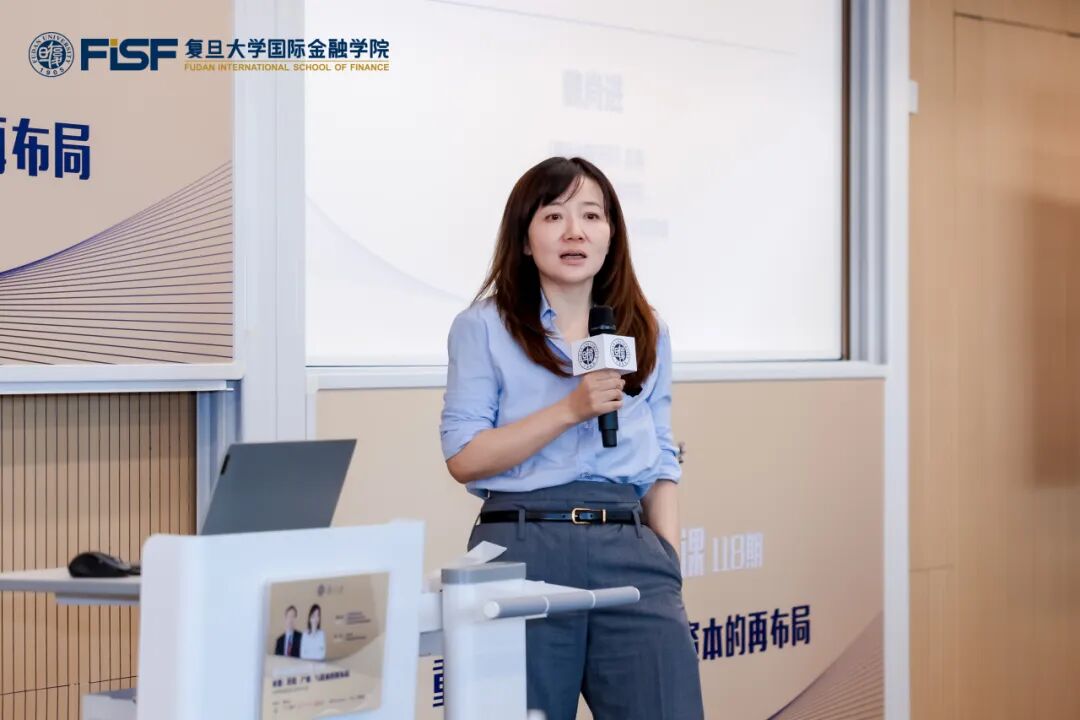
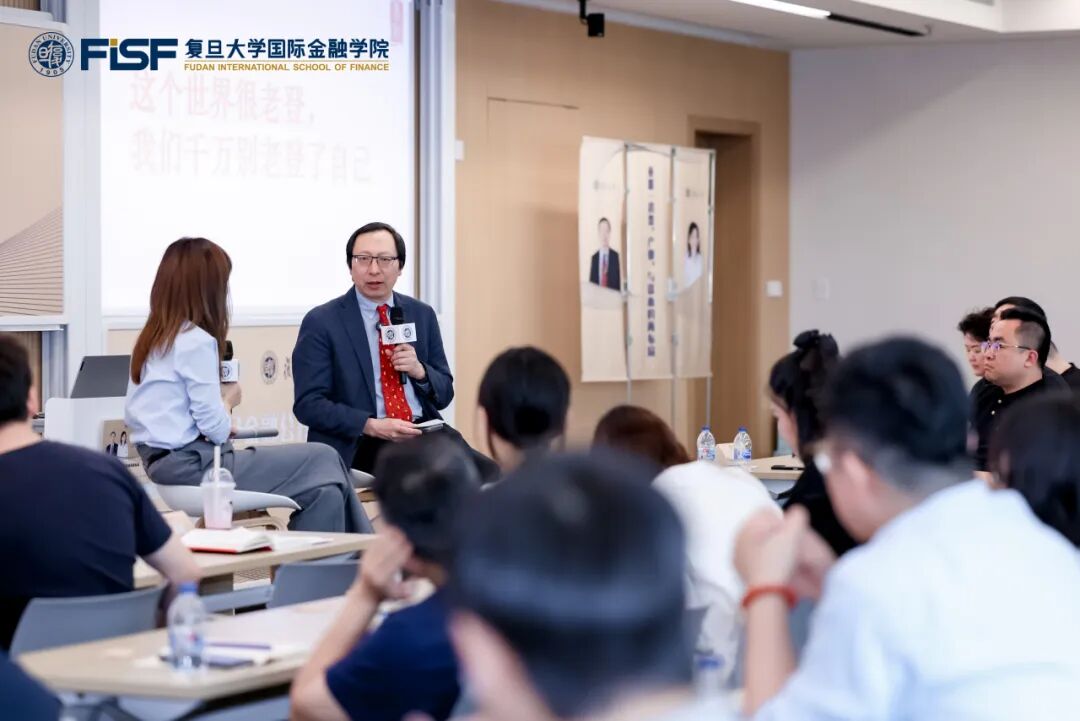
In the dialogue session, Shang-Jin Wei and Shuai Xiang engaged in further exchanges on topics like industrial trends, consumption transformation and the global landscape.
They discussed the phenomenon of traditional enterprises achieving transformation via technological reform. Xiang pointed out that enterprises that have successfully transformed typically share two characteristics: first, they proactively embrace technological changes related to AI industry chain; and second, they are able to rapidly iterate and innovate in the consumer sector, staying close to post-materialist values. Drawing on the scenario innovation of new energy vehicles and the historical evolution of China’s tea exports, Shang-Jin Wei further discussed the view that “comparative advantage can evolve and shift”. Xiang stressed that in the face of changing macroeconomic constraints, individuals and enterprises need to adjust their own coordinate anchors and seek optimal solutions under given constraints.
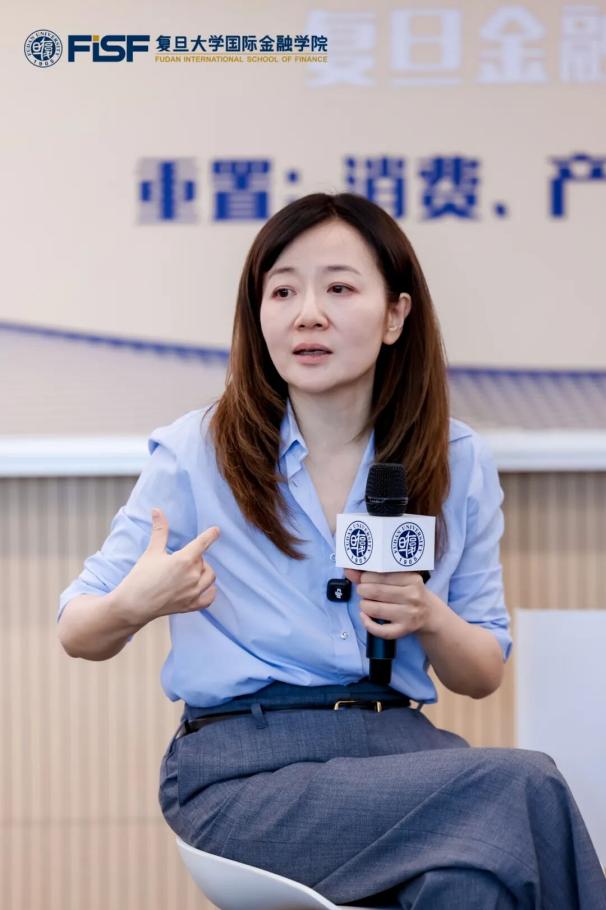
When answering an audience question about the logic of screening consumer brands, Shuai Xiang emphasized that we should trust the power of the market price mechanism. She held that enterprises capable of consistently creating hit single products and adept at utilizing digital channels for precise marketing and user co-creation are more likely to stand out in a stock market-style competition. When it came to the development direction for financial practitioners in the AI era, she responded that any programmable skill can be easily replaced by technology, while fields that are difficult for algorithms to replicate, such as creativity, social intelligence, and taste judgment, will become the core competitiveness of future talent.
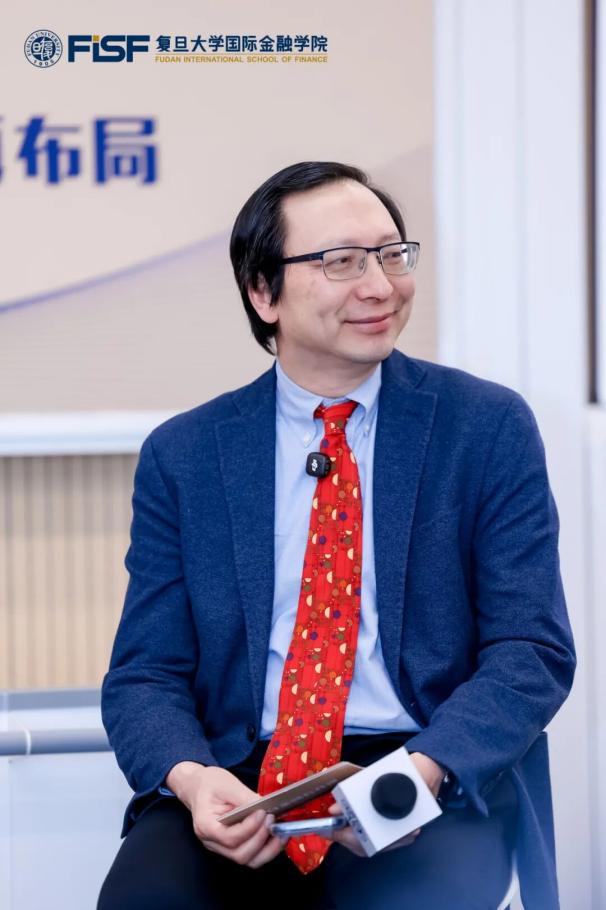
At the end of the course, Shang-Jin Wei concluded that through her systematic and in-depth presentation, Shuai Xiang had not only traced the underlying logic of the reset in consumption, industry and capital, but also provided an illuminating perspective for understanding the current global economic shifts. He thanked Professor Xiang for her splendid sharing and encouraged the audience to stay tuned for more future sessions of Fudan Financial Public Course.
FISF
Fudan Financial Public Course
A high-end, free online course on finance and economics launched by Fudan International School of Finance in 2020. Focusing on cutting-edge issues in finance and economy, the course features distinguished guest speakers from both at home and abroad to offer insightful discussions on global transformations and a systematic diagnosis of China’s development trajectory. Designed to break down the traditional barriers of higher education, it explores an inclusive path for elite financial education, allowing more people to access financial knowledge and appreciate its true value.
For more details, follow our official WeChat public account and video channel: “Fudan International School of Finance”. Subscribe to our WeChat mini-program “Online Financial Education of Fudan University” to unlock more exciting courses.

Scan the QR code to watch videos and live broadcasts

Scan the QR code to join our WeChat group and learn more





 86-21-63895588
 Handan Campus: Building B, No.579 Guoquan Road, Yangpu District, Shanghai 200010