Focusing on Financial Innovation and Empowering High-Quality Urban Development, Professor Jian Chen is Invited to Attend Shanghai Economic Forum Academic Seminar Series and Deliver a Special Lecture | Info
Release time:2026-06-02
On the afternoon of May 28th, Shanghai Economic Forum: Academic Seminar Series on Building an Independent Knowledge System for Applied Economics with Chinese Characteristics was held at Shanghai Academy of Social Sciences (SASS). With the core theme of fiscal and financial innovation and the building of Shanghai’s “Five Centers”, the seminar was hosted by SASS Institute of Applied Economics, and jointly organized by the Fiscal and Financial Research Office of SASS Institute of Applied Economics and the Editorial Department of Shanghai Economy. Focusing on key topics such as innovation in fiscal and financial theory as well as the integrated development of technology finance and green finance, the forum brought together numerous academic experts to explore new pathways for finance to empower urban upgrading, help Shanghai advance the building of its “Five Centers” with high quality, and solidify the foundation for establishing an independent knowledge system for applied economics with Chinese characteristics.
Jian Chen, Executive Deputy Dean of Chengdu Fudan Western International Financial Research Institute, was invited to attend the forum and deliver a special lecture. Centering on AI-empowered climate financial risk management and investment and based on cutting-edge research along with urban development needs, he systematically introduced academic achievements and practical pathways in the integration and innovation of climate finance and artificial intelligence.
Against the backdrop of global climate change, Jian Chen comprehensively explained the core essence and two-way mechanism of climate finance, clearly defined the connections and boundaries between climate finance and ESG, green finance as well as carbon finance, and established a climate finance research framework suited to China’s practice. His report offered an in-depth interpretation of the transmission logic, mutual influence, and systemic amplification effects of climate-related physical risks and transition risks. Drawing on cases from financial markets and the real economy, he revealed the actual impact of climate risks on credit assets, investment portfolios, and infrastructure investment and financing, providing theoretical reference for financial institutions to carry out climate risk prevention and control.
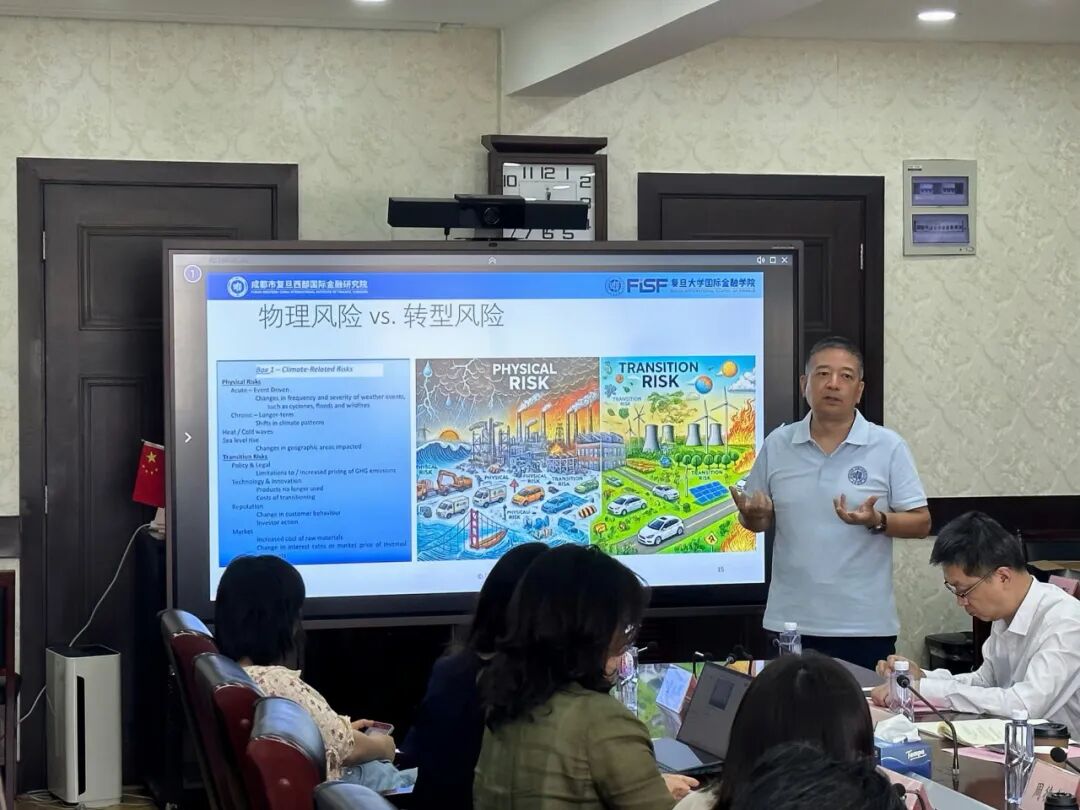
At the technical application level, Chen gave an all-round introduction to climate risk measurement and modeling system. By showcasing AI’s innovative breakthroughs in areas including extreme weather prediction, quantitative climate risk assessment, and urban compound climate-financial risk measurement via Fudan University’s “Fuxi” large model and other cutting-edge technological achievements, he provided intelligent solutions for financial risk management. In addition, the report revolved around key investment areas in climate finance and shared the practical applications of AI technology in asset screening, intelligent operations and maintenance, capacity optimization, energy trading, and the securitization of new energy assets, addressing industry pain points like challenges in pricing green assets, risk control as well as operational efficiency, and providing full-process technical support for climate investment innovation.
At the seminar, Jian Chen’s special lecture closely aligned with the core theme of the seminar, and by integrating fiscal and financial innovation, green finance reform, AI-empowered technology, and the building of Shanghai as an international financial center, innovatively proposed a new pathway for AI-empowered climate financial risk management and green investment development, offering a fresh academic perspective and practical solutions for fiscal and financial services to serve the real economy and help elevate the capacity of Shanghai’s “Five Centers”. Participating experts and scholars engaged in in-depth exchanges and discussions around the content of the report and the theme of the forum, jointly exploring new ideas and new directions for financial innovation to empower high-quality urban development, and contributing high-quality academic strength to Shanghai’s efforts to strengthen its core functions and serve the national dual-carbon strategy and the building of a financial powerhouse.
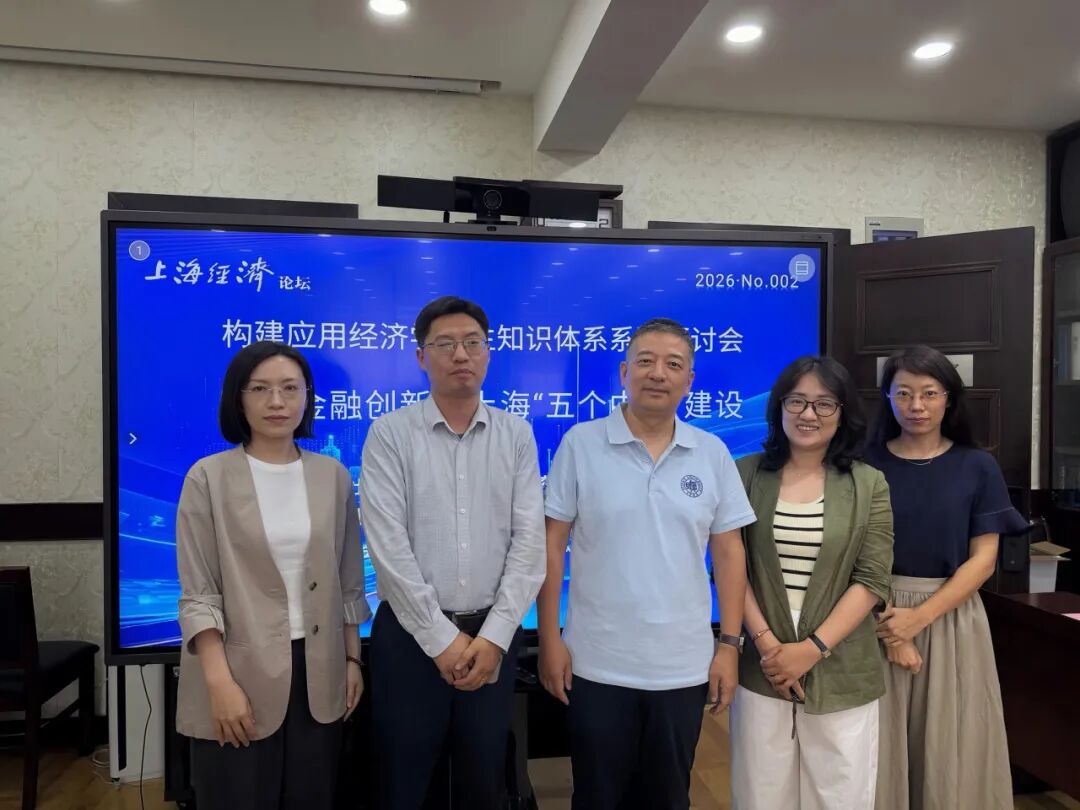
In recent years, depending on the top-tier disciplinary and research resources of Fudan International School of Finance, Fudan Western International Financial Research Institute has long been deeply engaged in frontier and key fields such as climate finance, financial technology, asset securitization, and green investment and financing, while consistently focusing on major topics including the national dual-carbon strategy, green finance innovation, and high-quality regional financial development. The Institute has always adhered to deep integration among industry, academia and research, as well as high-level international academic exchange, actively participated in various high-end academic seminars, industry research and policy consulting, and continuously produced frontier theoretical results and practical implementation solutions. Going forward, it will continue to stand at the academic frontier, closely align with national strategies and urban development needs, further deepen research in the interdisciplinary field of AI plus climate finance, with the purpose of supporting the innovative development of green finance and technology finance, as well as contributing Fudan wisdom to the building of a Western Financial Center.
New Book Preview
The special lecture titled AI-Empowered Climate Financial Risk Management and Investment delivered by Deputy Dean Jian Chen at SASS is the first frontier academic lecture to systematically integrate AI with climate finance theory, risk management, and investment practice. In fact, in his English monograph Climate Finance, Chen has already deeply incorporated the theoretical applications and practical logic of AI technology into many core chapters, including climate risk modeling, climate investment project analysis, and portfolio management, establishing an intelligent and modern climate finance research system. The Chinese edition of the book Climate Finance will be officially launched this year by Fudan University Press. It will fill the gap in authoritative textbooks in the field of AI plus climate finance in China, providing an important reference for academic research, industry practice, and talent cultivation. Stay tuned!
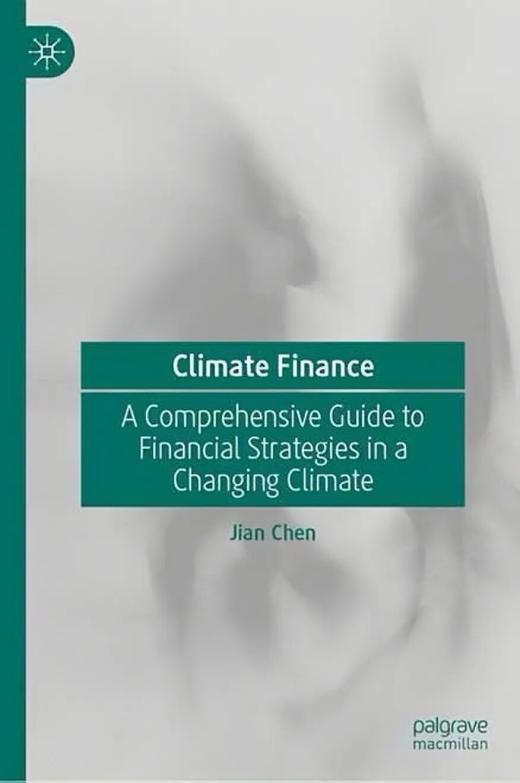
Climate Finance
A comprehensive Guide to Financial Strategies in a Changing Climate
Jian Chen





 86-21-63895588
 Handan Campus: Building B, No.579 Guoquan Road, Yangpu District, Shanghai 200010