[Activity Review] “FISF Guanlan Hall” Episode IV is Successfully Held: Professor Huasheng Gao Explains RWA and New Trends in Digital Finance | Info
Release time:2026-06-04
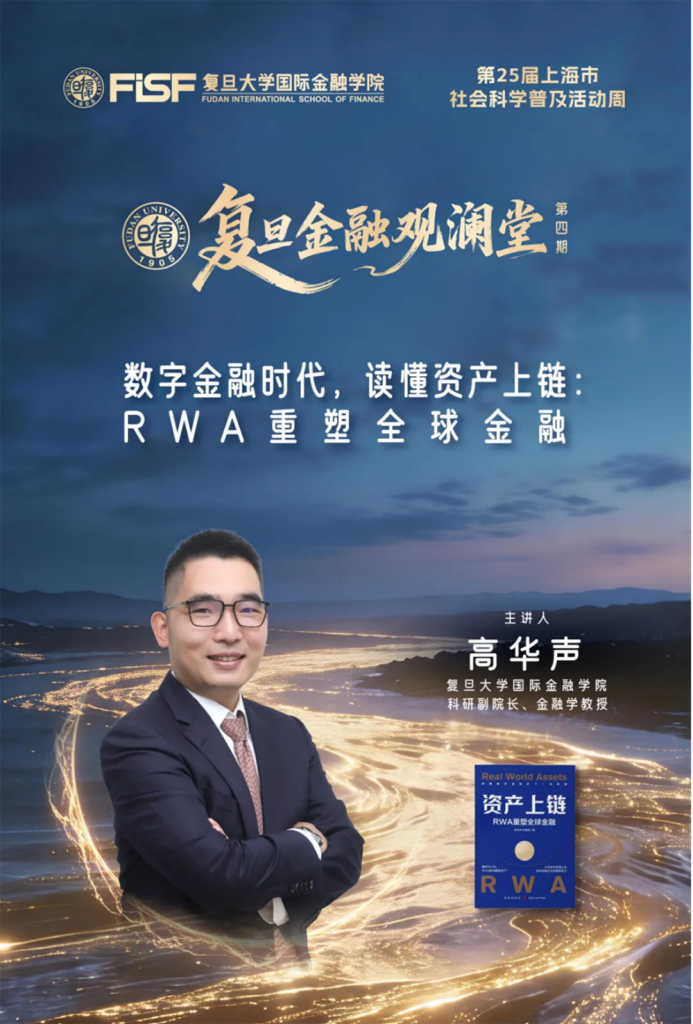
The 25th Shanghai Social Science Popularization Week
“FISF Guanlan Hall” Episode IV
In the Era of Digital Finance, Understanding Real World Assets: RWA Reshapes Global Finance
Keynote Speaker
Huasheng Gao
Deputy Dean of Faculty and Research and Professor in Finance at FISF
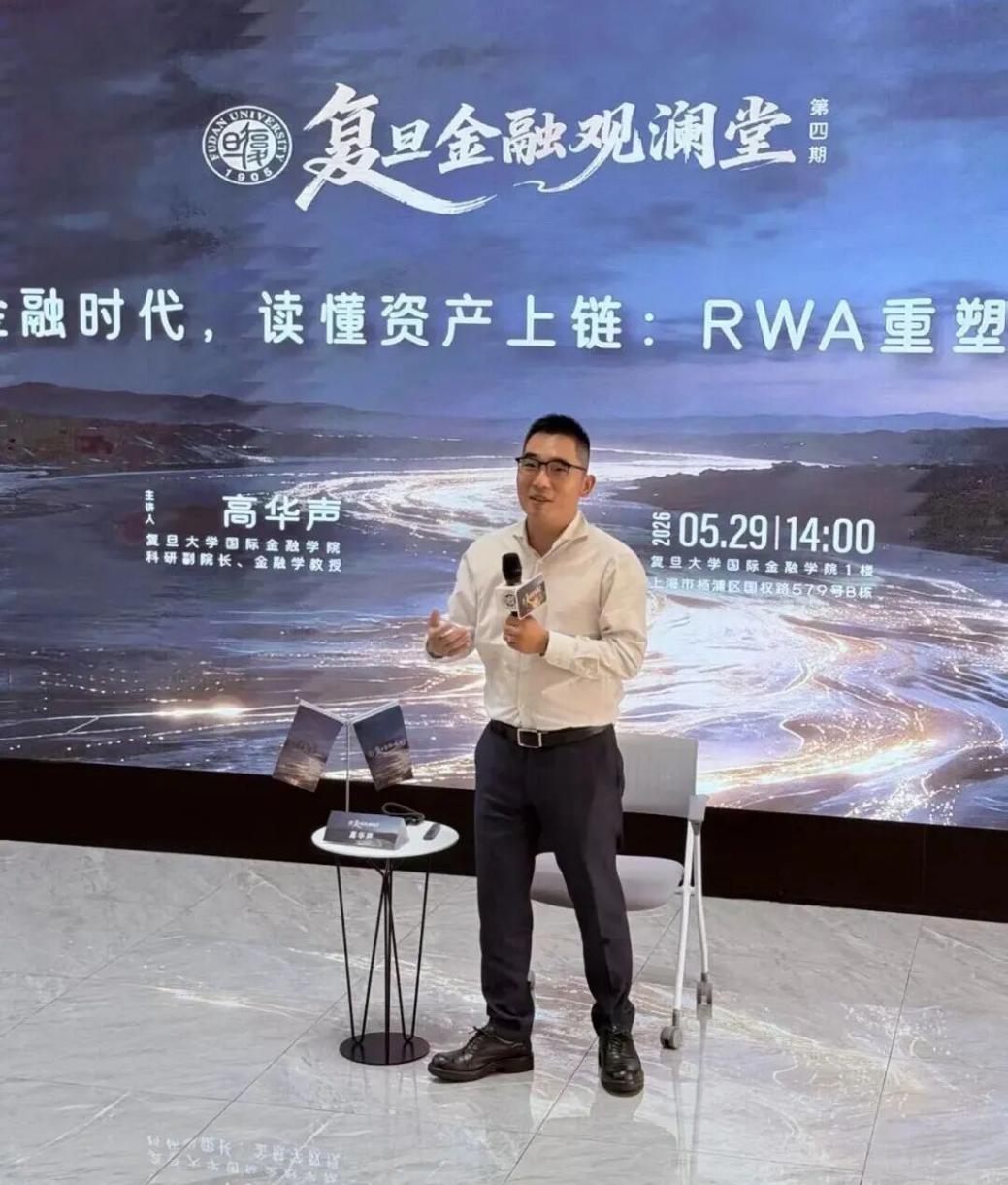
On May 29th 2026, “FISF Guanlan Hall” Episode IV was successfully held at FISF. Under the theme of “In the Era of Digital Finance, Understanding Real World Assets: RWA Reshapes Global Finance”, the event specially invited Huasheng Gao, Deputy Secretary of FISF General Party Branch, Deputy Dean of Faculty and Research and Professor in Finance at FISF, to share his insights centered on his new book Real World Assets: How RWA Reshapes Global Finance. Combining global regulatory developments, practical cases at home and abroad, and industry development trends, Gao delivered a vivid and professional interpretation for the audience, creating a lively on-site atmosphere. This event was selected as part of the “25th Shanghai Social Science Popularization Week”.

Global Regulatory Landscape and Industry Trends
In the lecture, Huasheng Gao analyzed the current global regulatory landscape for crypto assets. He pointed out that different countries and regions around the world have adopted differentiated regulatory approaches to cryptocurrencies based on the characteristics of their own financial systems. He believed that the technological advantages of this field have attracted widespread attention, but their application under different market environments is still at an exploratory stage. In recent years, some mainstream financial institutions have begun to pay attention to and establish a presence in this field, and relevant development trends are worth on-going tracking.
Practical Exploration and Challenges of RWA
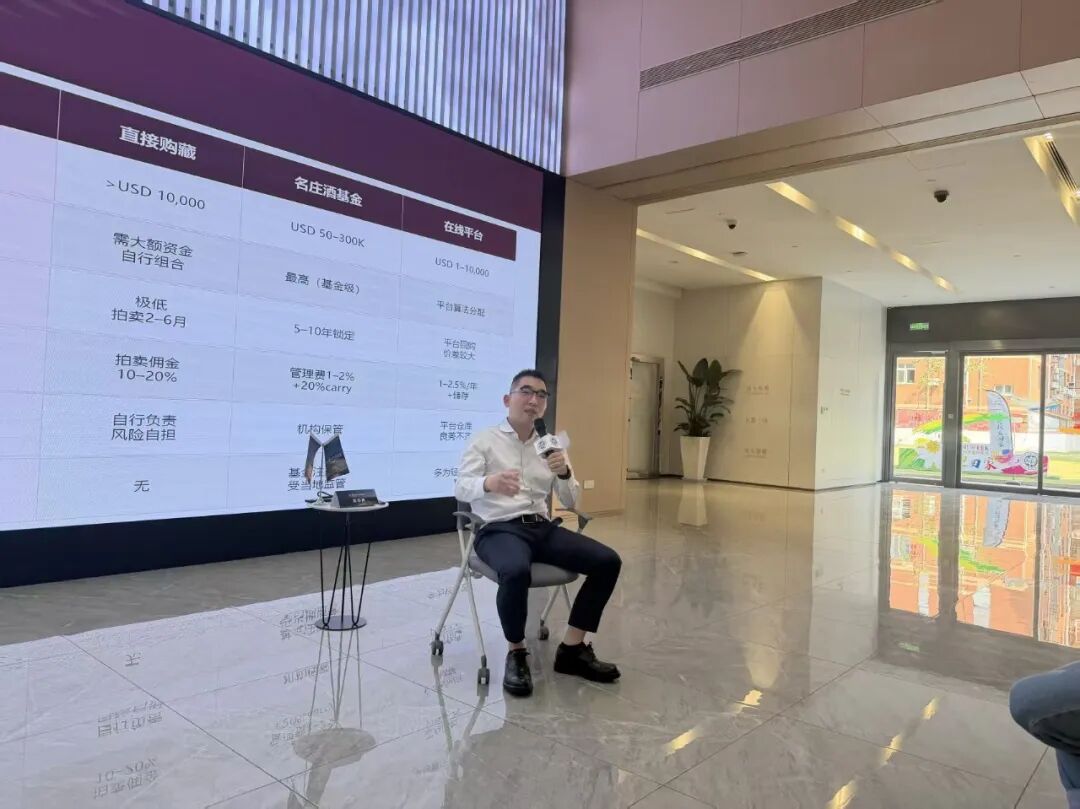
Centering on the topic of RWA, Gao made a comparative analysis on two typical cases at home and abroad. A Singapore-based liquor investment company bound physical liquor assets to on-chain tokens and issued them to investors, lowering the threshold for traditional alternative investments, but the project encountered the problem of insufficient liquidity in the secondary market during operation. Domestically, Shanghai’s “Malu Grapes” completed China’s first RWA project, designing the underlying assets according to commodity attributes and conducting compliance exploration within the existing regulatory framework. Through analysis, Gao held that the two cases reflect common issues faced by RWA at different stages of development, especially liquidity and regulatory adaptability, which still require further practice.
Possible Pathways for RWA Development in China
In envisioning the direction of RWA development in China, Huasheng Gao noted that different markets have their own strengths and endowments. China possesses rich real-economy scenarios on the industrial side, such as new energy, supply chain trade and carbon assets, where genuine industrial cash flows are expected to be identified and circulated more efficiently through technological means. He introduced the technical logic of smart contracts in reducing information asymmetry and enabling automatic distribution of returns and argued that this model can help enhance the liquidity and transparency of high-quality assets, offering investors new options. According to Gao, generally, RWA is still at an early stage of development, and the trend is worth watching.
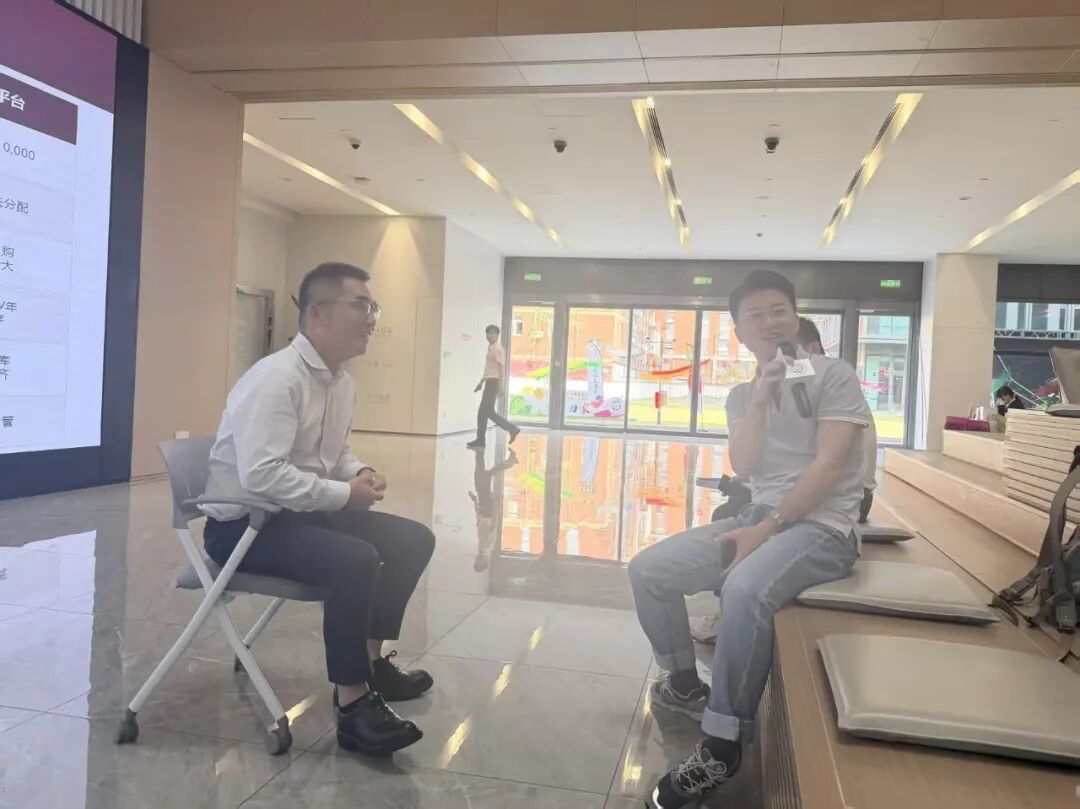
During the Q&A session, the audience raised questions on topics like the regulatory pathway for RWA, the sustainability of transaction cost advantages, and the technical roadmap for the digital RMB, to which Huasheng Gao responded from perspectives including technical architecture and the stage of industry development. The heated discussion aroused dynamic and engaging an on-site atmosphere.
FISF Guanlan Hall
“FISF Guanlan Hall” is an event series brand launched by Fudan International School of Finance, its name derived from the saying “To observe water, one must observe its waves”. The series regularly invites professionals from fields such as finance, technology and consumer sectors to share industry trends and cutting-edge insights. Stay tuned to the official WeChat account of FISF for the latest event information.
Further Reading
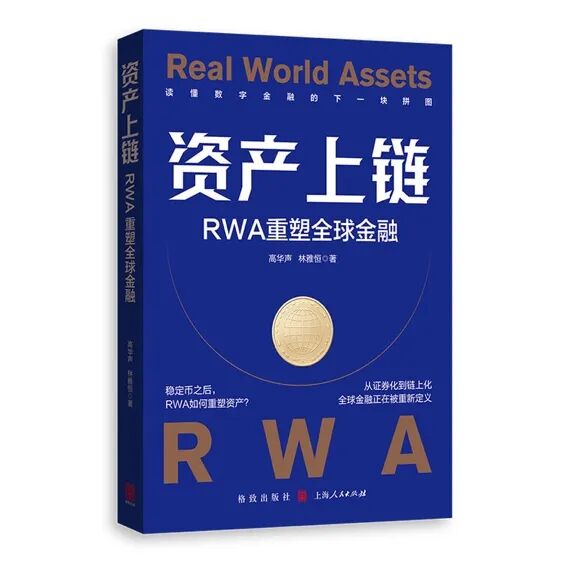
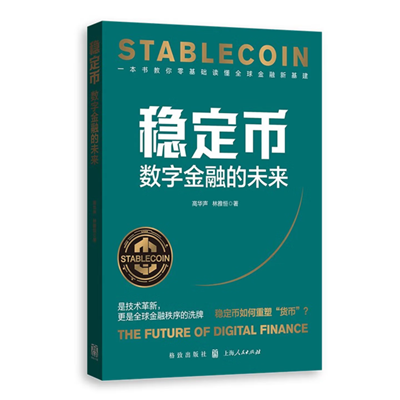
Stablecoins: The Future of Digital Finance, published in August 2025, is a companion volume to Real World Assets: RWA Reshapes Global Finance. The former focuses on “on-chain currency”, systematically discussing how stablecoins reshape payments, cross-border settlement, offshore RMB and the digital financial order; while this book focuses on “on-chain assets”, exploring how RWA drive real assets into a new stage of being programmable, composable, and globally able to circulate. Reading the two books together helps readers grasp the evolutionary direction of next-generation digital financial infrastructure along the two main lines of “on-chain currency” and “on-chain assets”.





 86-21-63895588
 Handan Campus: Building B, No.579 Guoquan Road, Yangpu District, Shanghai 200010