【L.I.T.E.】Full-Time FMBA Students Immerse in GKIC, Decoding China’s Tech Innovation Ecosystem丨FMBA
发布时间:2025-11-16
November 25, 2025 – Full-time Finance MBA students from Fudan University’s International School of Finance (FISF) embarked on an intensive L.I.T.E. course, exploring the theme “The Methodology Behind China’s Hyper-Speed Tech Development.” Through a full-day immersive experience, students gained hands-on insights into how the Great Knowledge Innovation Center (GKIC) in Shanghai’s Yangpu District synergizes policy, capital, and technology to drive regional growth. The L.I.T.E. curriculum—structured around Leadership, Innovation, Teamwork, and Ethics—equipped students with a systemic understanding the Importance of tech financing and local ecosystem thinking.
01 The Fundamentals: Reverse Innovation Path Reshapes Tech Commercialization
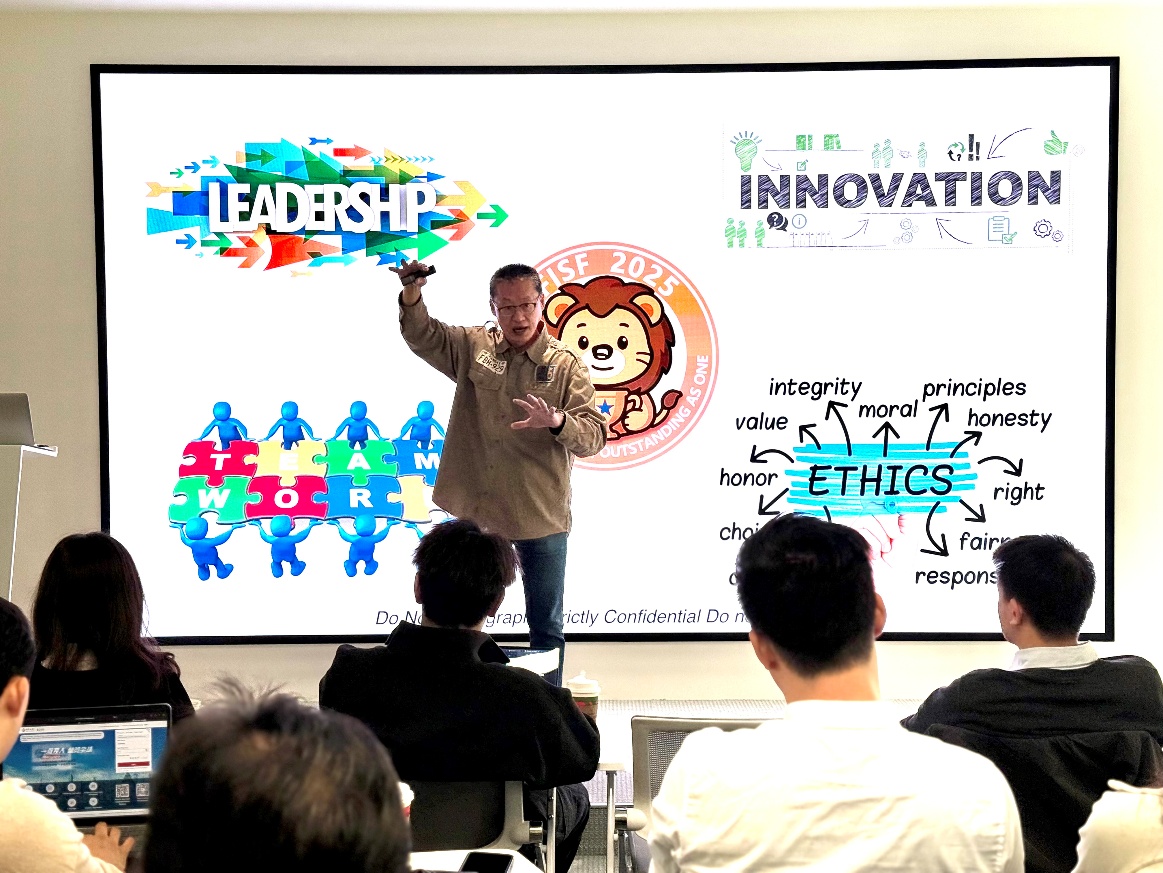
Course Mentor Allan Chou launched the session, taught in English, introducing the “Reverse Innovation Path”—a framework that prioritizes downstream application usage to guide upstream R&D. He emphasized that global perceptions often misunderstand the collaborative power of China’s innovation strategy, highlighting Yangpu’s Three-Pilar Linkage (Universities, Tech Park, Smart Communities) and Three-City Integration Models (City of Learning, Production, and Innovation) as keys factors to systemic innovation must haves. Student teams were tasked with co-authoring a white paper analyzing dynamic interactions among policy, capital, and technology during the class as their final output.
02 Ecosystem Validation: Gradient Spatial Layout and Global Resource Integration
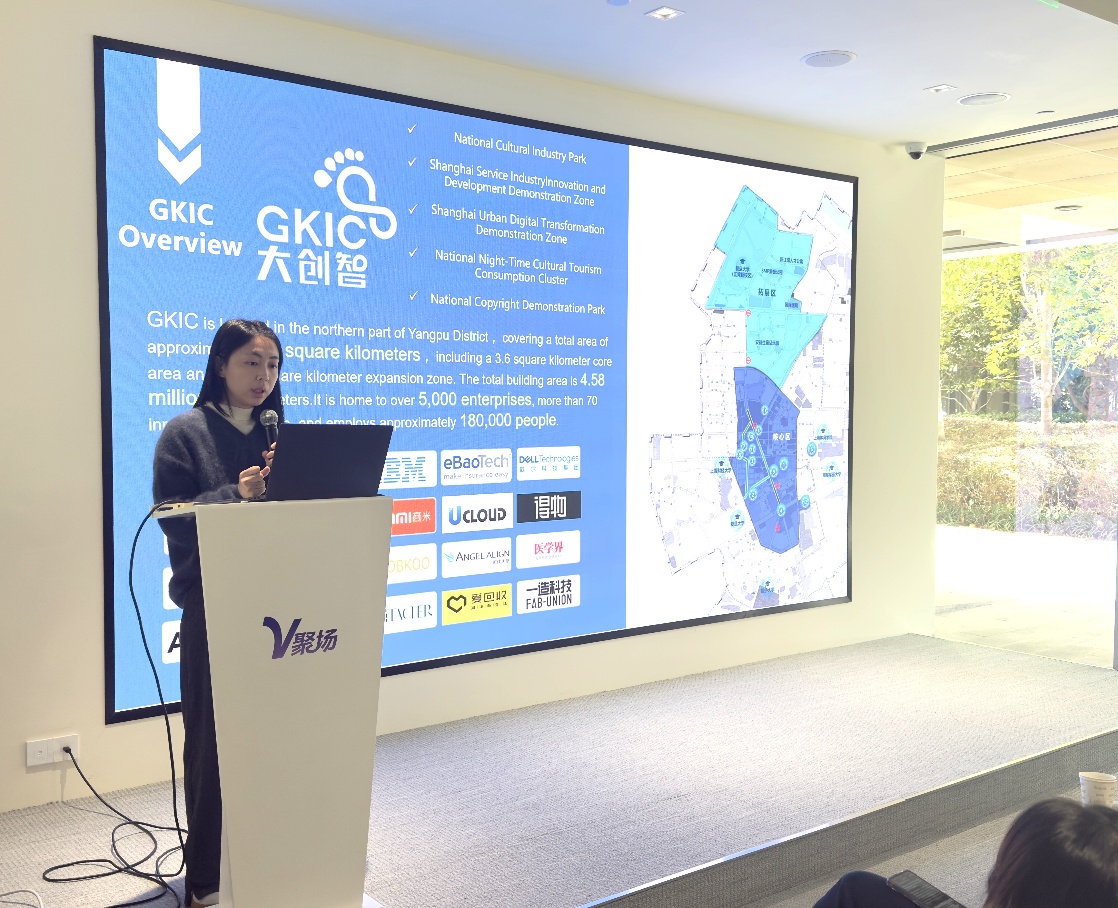
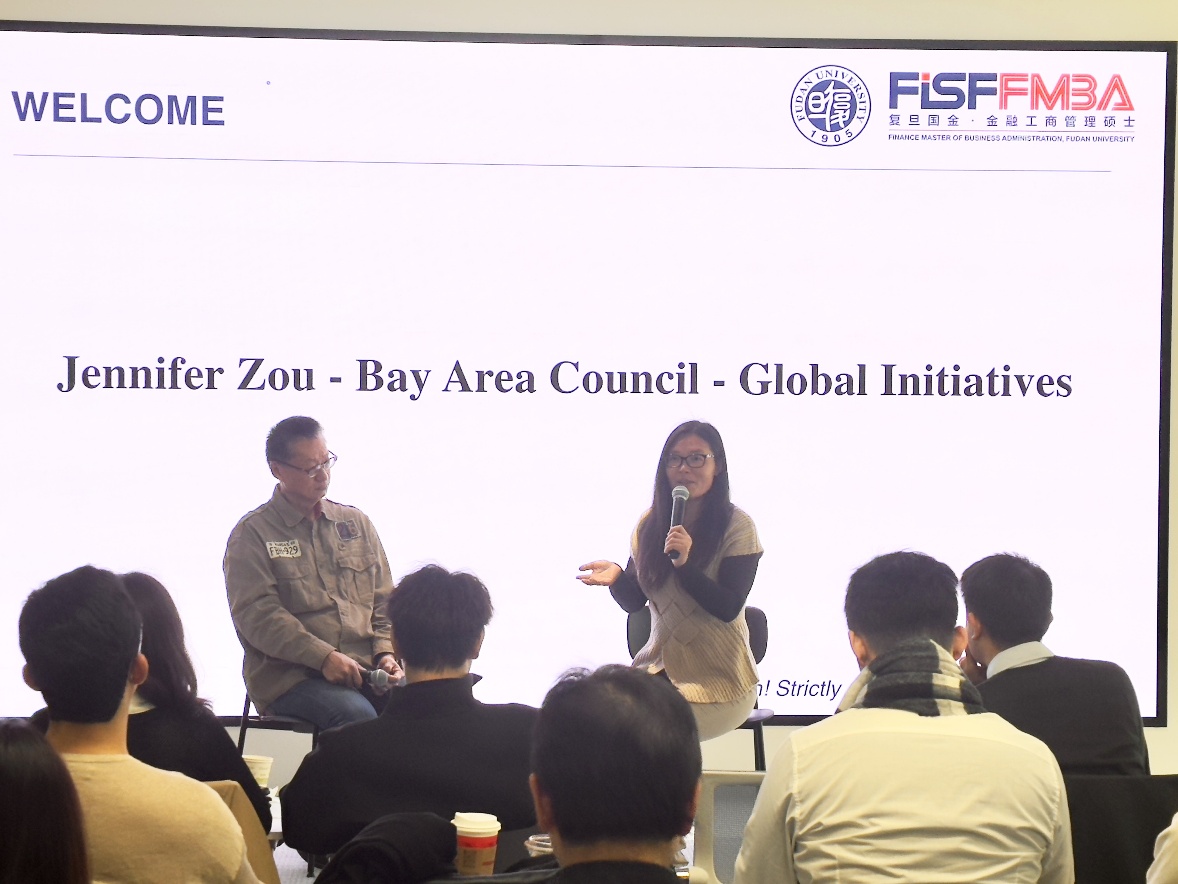
At GKIC, Ms. Chen Siyuan, Deputy Manager of Investment Promotions, unveiled the logic of “gradient spatial layout”: anchoring giants like ByteDance and Bilibili to cluster industrial energy in its V-Hub, while nurturing early-stage projects through metaverse communities and other innovation carriers. This “tropical rainforest” ecology enables symbiotic growth among enterprises. Jennifer Zou of the Bay Area Council shared 15 years of cross-Pacific collaboration, fostering talent flow and industrial synergy between Silicon Valley and the Yangpu District.
03 Technology in Action: Well Designed Innovation Ecosystems Deliver Greater Results
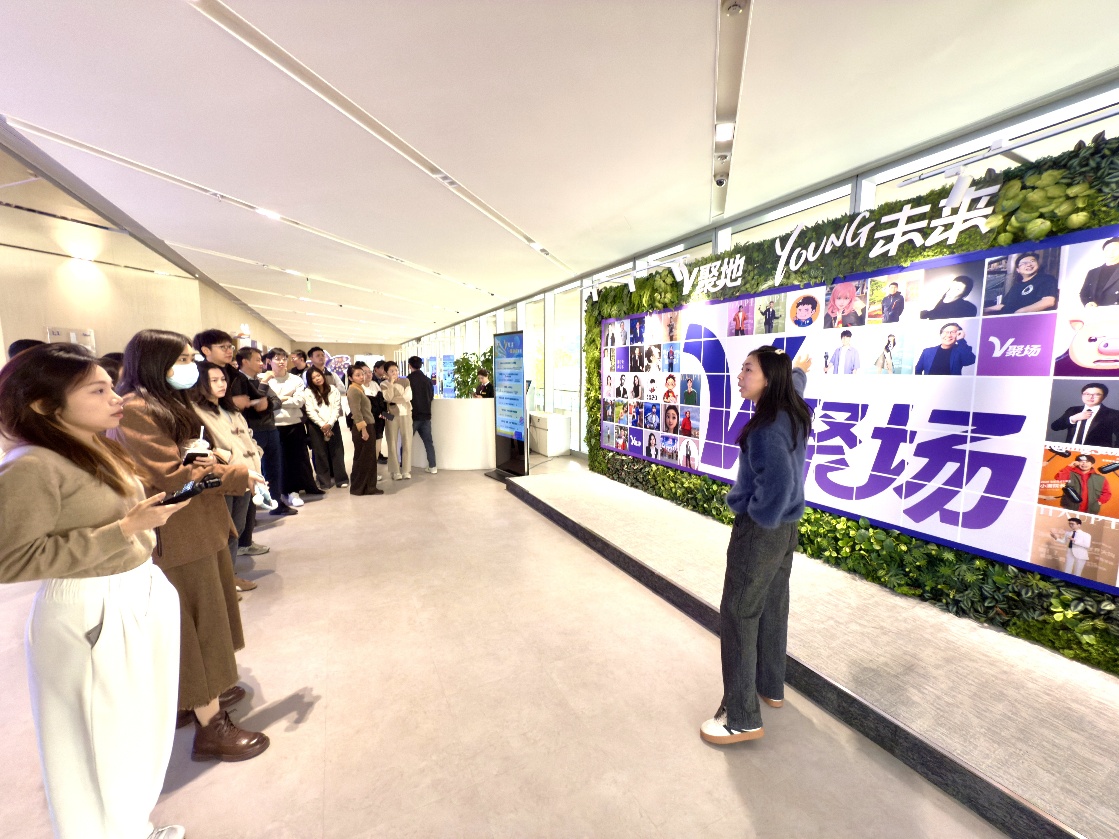
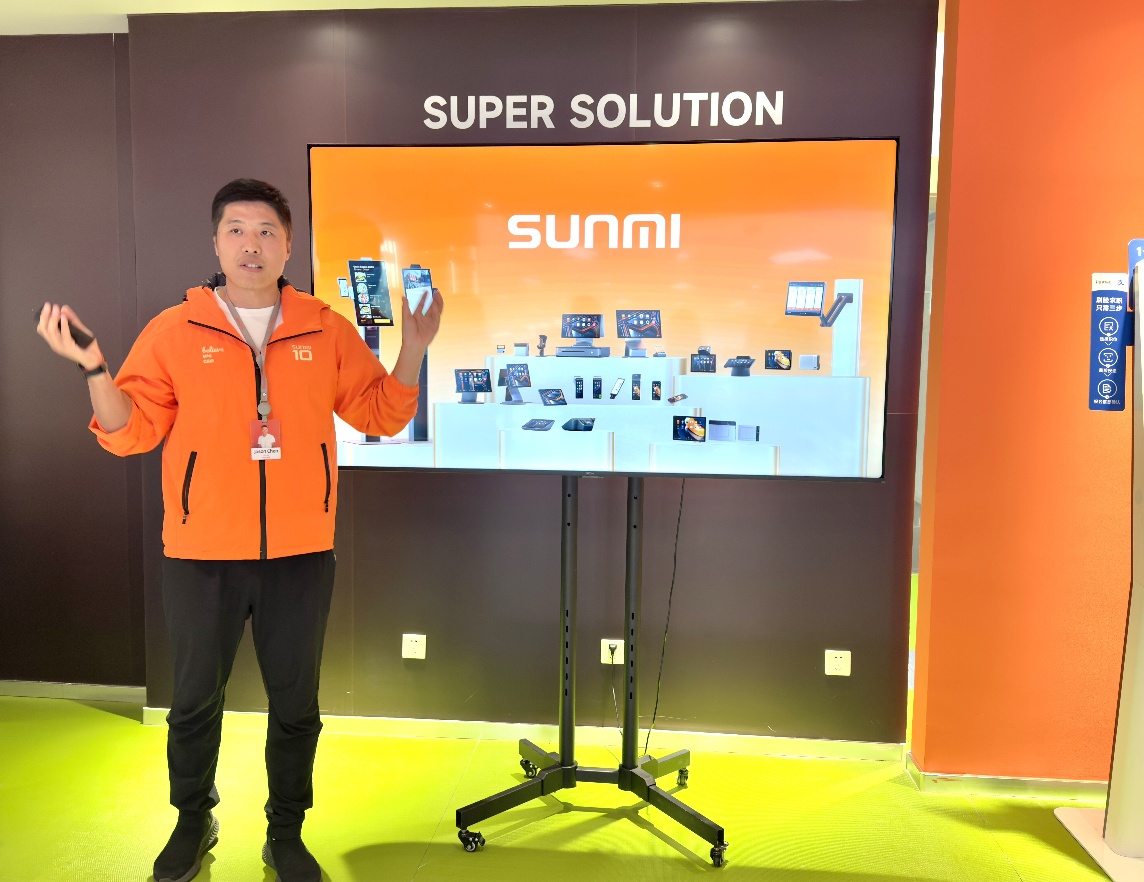
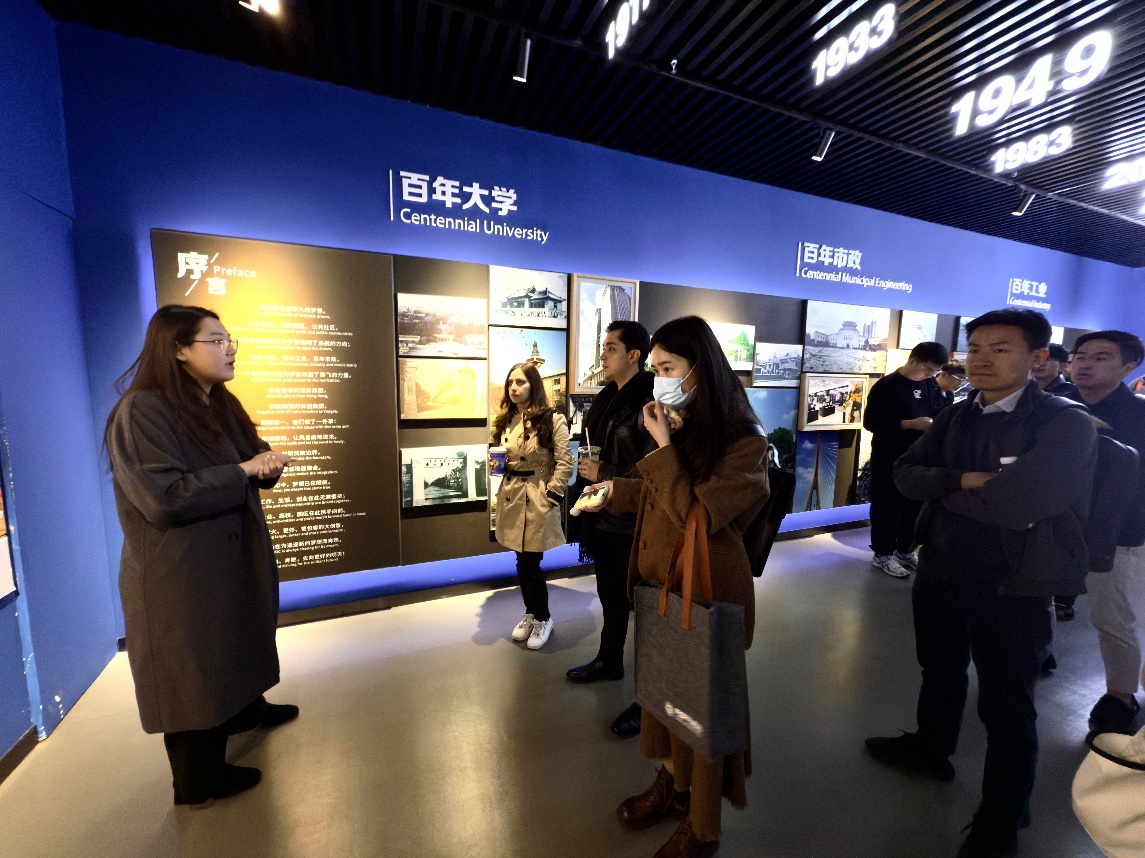
At Sunmi Technology, Director of Operations Jason Chen demonstrated how IoT terminals achieved rapid time-to-market within two years via STI’s smart retail scenarios across the district—a testament to the so-called "application-feeding-R&D” approach. Ms. Zhao Jingyi, GKIC’s publicity specialist, illustrated data-driven decision-making through GKIC’s digital exhibition space, showcasing optimized incubation processes and successful commercialization cases.
04 Capital Closed Loop: State-Owned Enterprise Investment Paradigms and Ethical Guardrails
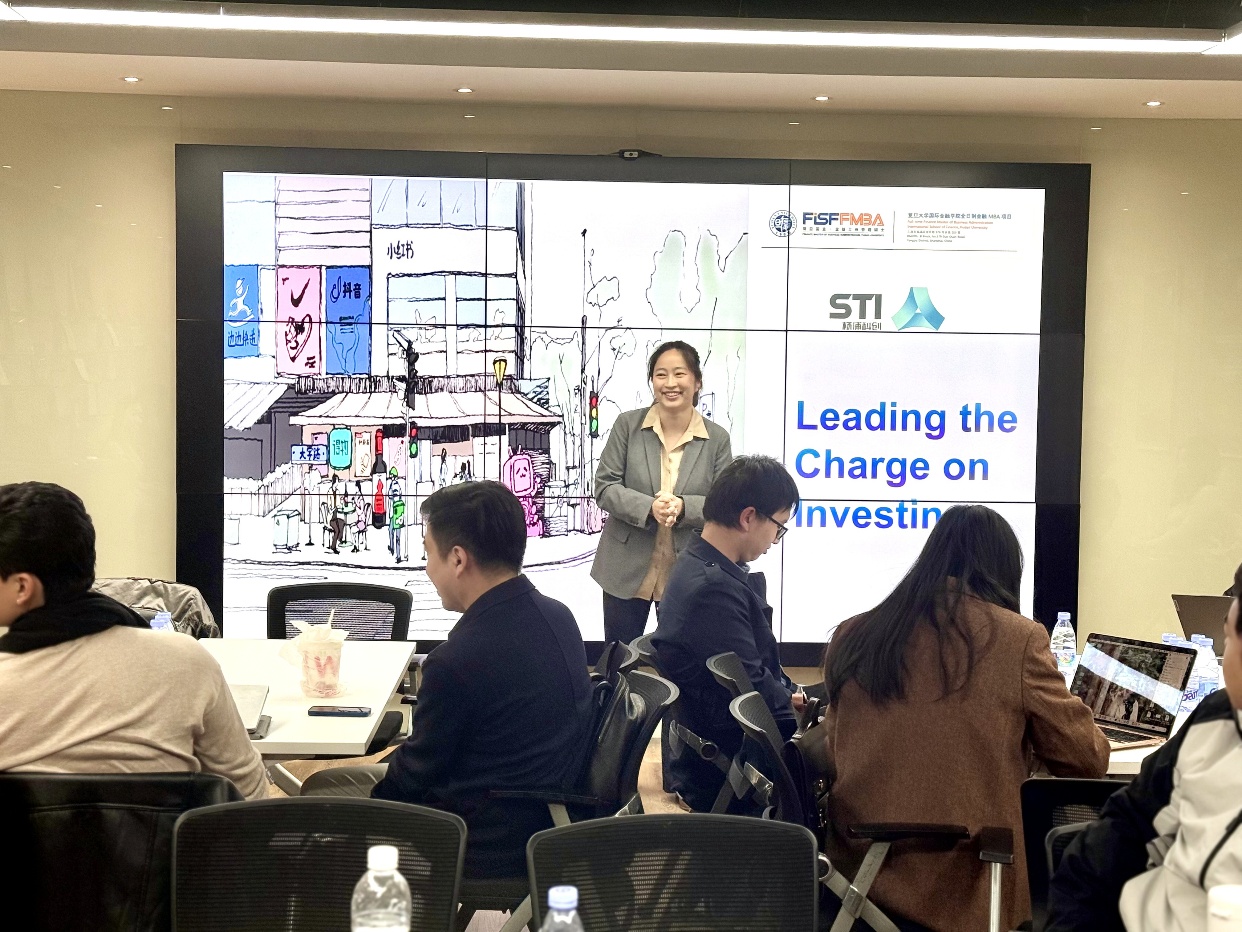
Doreen Dong, Vice President of the STI Investment Center, articulated a transformative state-owned enterprise investment paradigm that strategically integrates industrial chain investment, full-lifecycle services, and park-enabled collaboration, while rigorously aligning with UN Sustainable Development Goals to implement an ethical "braking system" against technological risks.
05 Course Synthesis: Designing Ecological Niches as The Core Competency
FISF’s Deputy Dean of Academics, Professor of Finance, Charles Chang concluded that future financial leaders must master “ecological niche design”—balancing business granularity with ethical boundaries. The L.I.T.E. course aims to forge financial tools into connectors of innovation ecosystems, empowering students to leverage data assets, broaden capital efficacy, and embed sustainability. The program was fully supported by STI Vice President Hou Yilei and his team, reflecting the deep university-enterprise collaboration at the Yangpu District.
Student Reflections
Pablo Carpanetti, Student Ambassador of Full-time FMBA 2025 Intake:
It’s amazing to see what Yangpu District has achieved in the last 20 years, having materialized the Great Knowledge Innovation Center (GKIC). From my perspective, China is a Global Solutions Laboratory: all the challenges it faces, such as urbanization, energy transition, digital transformation, and others, are a mirror of global challenges. Being able to study and work here means being at the forefront of developing solutions with real, large-scale impact.
Verginia, Student Ambassador of Full-time FMBA 2025 Intake:
We experienced the engine of China's tech future firsthand. This immersion taught us that true leadership now means becoming an ecosystem engineer. It’s no longer enough just to fund a single company; the highest leverage comes from strategically designing an all out environment for innovation, the dynamic connections between policy, capital, and technology, so breakthroughs are inevitable.
Dennis, Student Activity Representative from Full-time FMBA 2025 Intake:
My experience in the L.I.T.E. course has directly illuminated China's strategic evolution from "Made in China" to "Innovated in China." Observing Yangpu's Greater KIC reveals a purpose-built innovation ecosystem: top universities like Fudan supply talent and research, startups and investors converge in a walkable urban setting, and supportive policy de-risks commercialization. This deliberate fusion of academia, capital, enterprise, and design transforms the district into a living laboratory, demonstrating China's shift from manufacturing goods to engineering the conditions for sustained technological creation and intellectual leadership.
Acknowledgments
Fudan University International School of Finance extends gratitude to Shanghai Yangpu Science and Technology Innovation Group (STI) for their partnership.
______
Program: Full-time Finance MBA L.I.T.E. Module, FISF
Theme: China’s Tech Hyper-Growth 2025—GKIC Ecosystem Innovation in Action
Location: V-Hub, GKIC, Yangpu District, Shanghai
Explore More: Full-time Finance MBA, Fudan University International School of Finance
Contact: ftmba_fisf@fudan.edu.cn